How to Identify a Ford Motor ,Ford Motor Company began placing identification number tags on some engines in the mid-1950s and expanded the practice to all motors starting in January 1964. These tags contain key details such as the engine’s production month and year, model year, change-level number, and CID (cubic-inch displacement). If an ID tag is missing or unreadable, you can still rely on the engine casting number to retrieve much of the same information.
Method1 Using the Identification Tag
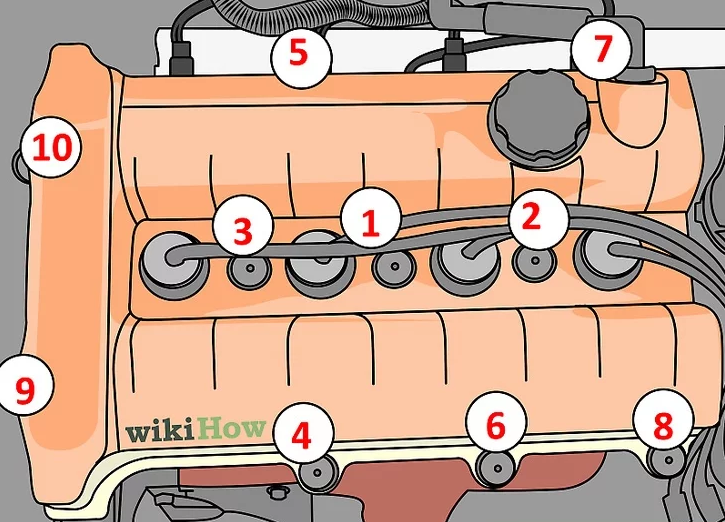
|Step 1. Count the Valve Cover Bolts
Use the number of valve cover bolts to narrow down the engine family. The valve cover bolts are located on top of the engine, holding the valve cover (often stamped “Ford”).
H4|Valve Cover Bolt Count Reference
- 2 bolts:239 / 256 / 272 / 292 / 312
- 5 bolts:332 / 352 / 360 / 361 / 390 / 391 / 406 / 410 / 427 / 428
- 6 bolts:221 / 260 / 289 / 302 / 351W
- 7 bolts:429 / 460
- 8 bolts:351C / 351M / 400
- Ford Engine Identification: https://www.fordification.com/engineID.htm
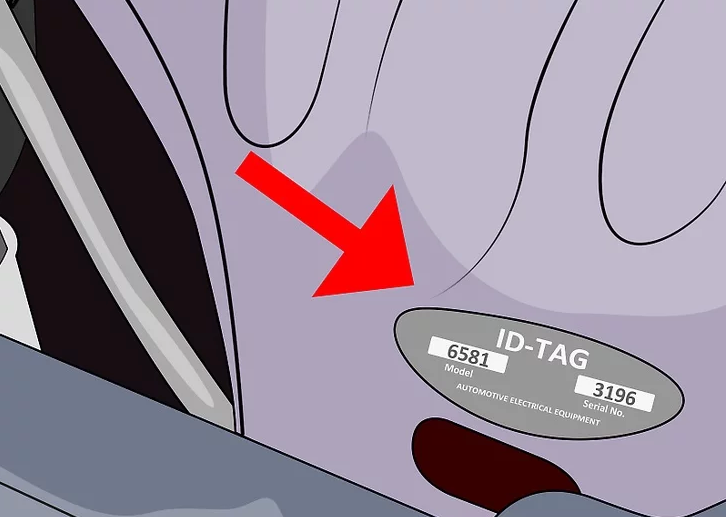
|Step 2. Locate the ID Tag
For most six-cylinder and many V8 engines, the ID tag is mounted under the coil-attaching bolts, usually near the front of the engine.
H4|Key Notes
- Material:Aluminum
- Size:Approx. 3 inch × ½ inch
- Location:Left or right front of the engine
- Applies to:
- All 6-cylinder Ford engines after 1964
- Some V8 engines
- Classic Ford Engine Tag Guide: https://www.mustangtek.com/engine/engine.html
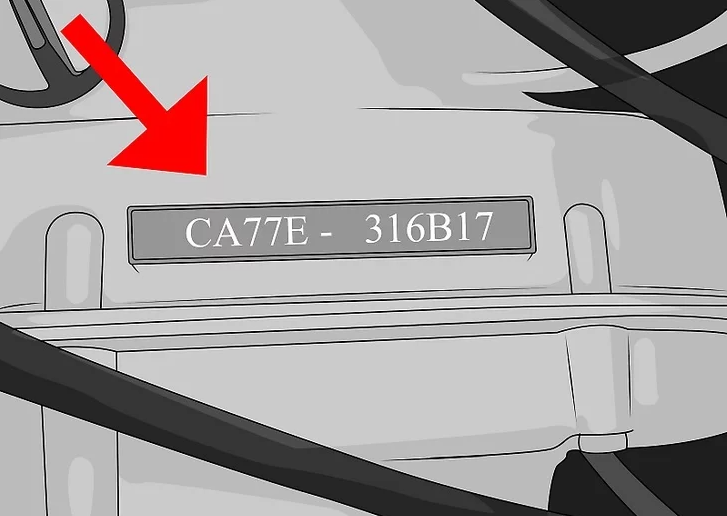
|Step 3. Check the Dipstick Tube Area (352 V8)
On 352 model V8 engines, the ID tag may be located under the dipstick attaching bolts.
- FE Engine Details: https://www.fordfe.com

|Step 4. Search Remaining Possible Tag Locations
If you still cannot find the tag, check the remaining possible mounting points:
H4|Possible Final Locations
- Heat Indicator Bulb → Engines:360 / 330 / 391
- Dipstick Tube → Engines:352
- Carburetor Attaching Stud → Engines:401 / 477 / 534
- Ignition Coil Bolt → Certain V8 models
If the tag is missing, it may have fallen off or only be visible when the engine is out of the vehicle.
- Ford Industrial Engines: https://www.fordindustrialengines.com
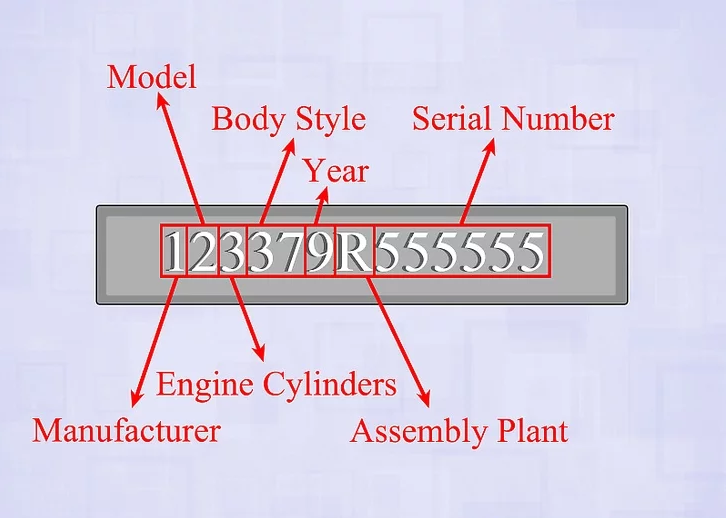
|Step 5. Learn to Read the Ford Engine ID Tag
Once you locate the tag, decode it according to the following structure.
H4|How to Decode the Tag
- CID (Cubic Inch Displacement)
First three digits in the upper left corner (e.g., 289, 390, 460). - Manufacturing Plant (Single Letter)
- C = Cleveland
- E = Ensite, Canada
- W = Windsor, Canada
- Year (Two Digits)
Example:70 → 1970 - Month Code (Letter)
Months are alphabetical, A = January, M = December
(No “I” to avoid confusion with “1”) - Engine Code Number (Three Digits)
Identify the specific engine version; can be looked up online.
- Ford Engine Tag Decoder: https://www.mustangtek.com/FordDecode/FordDecode.html
Method2 Decoding Casting Tags
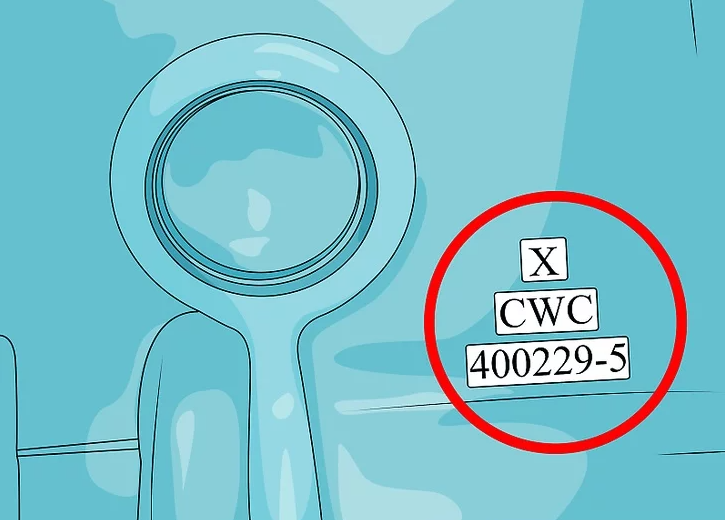
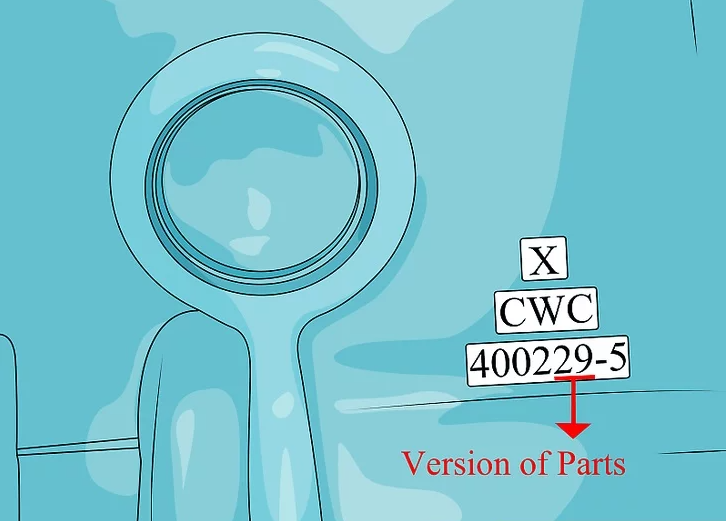
1. Locate the Nine-Digit Casting Tag
Look for the nine-digit casting tag to learn more about your Ford engine’s make and model. This tag is cast directly into the metal when the engine block is produced and is essential for identifying the correct replacement parts. Because the code contains a significant amount of information, it serves as your primary reference for understanding your engine.
- If dirt or grease blocks the surface, clean the area using a rag and degreaser.
- The code is typically found on the side of the engine block, though it may be difficult to see in older vehicles with the engine installed. Use a flashlight to inspect both sides carefully.
- Example casting code:
C5AE-9425-B
Reference:
- Ford Casting Number Basics – Mustangsandmore.com
https://mustangsandmore.com/ubb/EngineCodes.html - Classic Mustang Engine ID Guide – Mustang360
https://www.motortrend.com/how-to/155-0401-ford-engine-block-casting-number-identifier/
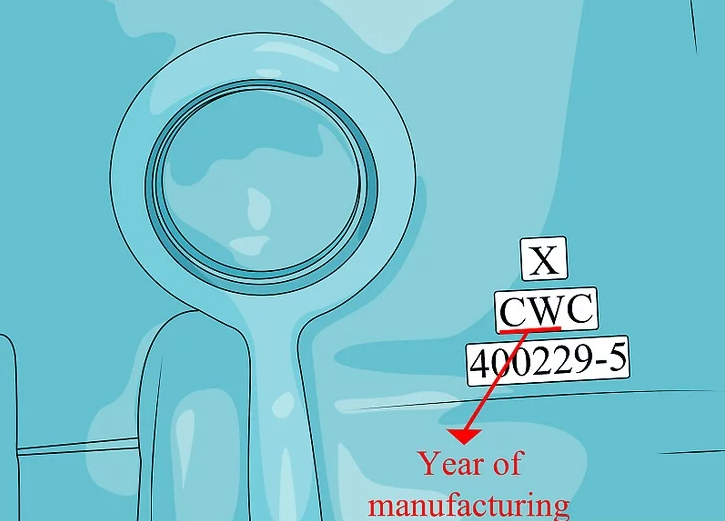
2. Decode the First Two Characters to Identify the Decade and Year
The first two characters of the casting number tell you when the engine was made.
- The first character is a letter representing the decade:
- B = 1950s
- C = 1960s
- D = 1970s
- E = 1980s
- And so on.
- The second character is the model year within that decade.
- Example:
- C9 = 1969
- E4 = 1984
- Example:
Reference:
- Ford Engine Date Codes Guide – Fordification
https://www.fordification.com/engineID-codes.htm

3. Read the Third Character to Determine the Engine/Vehicle Design
The third digit is a letter describing the engine’s design intent or the type of vehicle it was originally meant for.
Common design codes include:
| Code | Meaning |
|---|---|
| A | Full-size generic engine |
| D | Falcon |
| E | Truck |
| F | Trans-Am Racing |
| G | ’61–’67 Comet / ’68–’76 Montego |
| H | Heavy Truck (1966–1982) |
| J | Industrial Engine |
| L | Lincoln |
| M | Mercury |
| O | Torino / Fairlane |
| S | Thunderbird |
| T | Truck |
| W | Cougar |
| Y | Meteor |
| Z | Mustang |
| 6 | Pantera |
This character helps verify whether the engine matches the correct model family.
Reference:
- Ford Part & Casting Number Decoding – CJ Pony Parts
https://www.cjponyparts.com/resources/ford-part-number-decoding
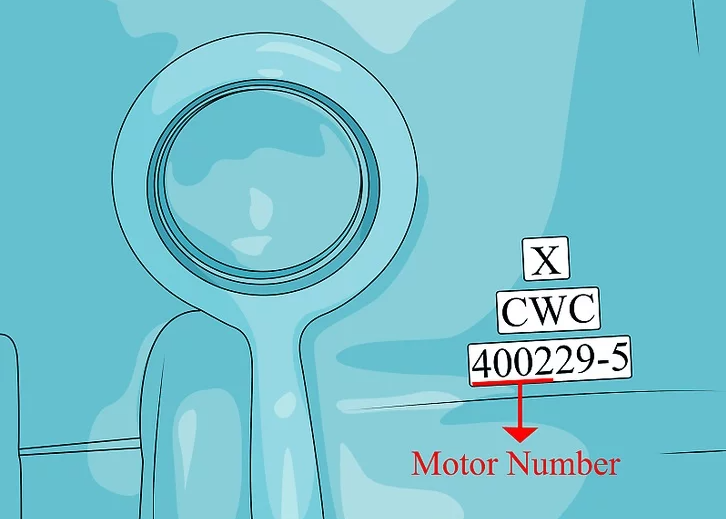
4. Verify That the Fourth Digit Is Always “E”
The fourth character of a Ford casting number identifies the general type of part.
- E = Engine
For Ford motors, this character should always be an “E.” If it is not, the part is likely not an engine block or does not belong to your motor.
Reference:
- Ford Engineering Number Structure – Automotive Mileposts
https://automotivemileposts.com/ford/fordengineeringnumbers.html
5. Decode the Four-Digit Basic Part Number (6000–6898 Range)
The next four digits (positions 5–8) correspond to the basic part number of the engine assembly.
- Ford engine block-related basic numbers always fall between 6000 and 6898, with each specific number representing a particular motor component.
Reference:
- Ford Master Parts Catalog Summary – Ford Truck Enthusiasts
https://www.ford-trucks.com/forums/ford-parts-catalog/
6. Identify the Final Suffix Letters to Determine Engineering Revision
The final character(s) in the casting code represent the revision level of the part.
- A = first version
- B = second version
- C = third version, etc.
- Multi-letter suffixes indicate later revisions:
- Example: AB = 28th revision (A–Z = 26, then A–B = 2).
This suffix tells you which generation or updated version of the part you are working with.
Reference:
- Ford Casting Suffix Guide – MustangTek
http://www.mustangtek.com/