How to Appreciate Art ,Art can often feel out of reach because popular culture has portrayed it as something only highly educated or wealthy people can enjoy. In reality, anyone can engage with and appreciate art with a bit of curiosity and effort. By learning about the context behind a piece, exploring the techniques used to create it, and letting your imagination shape your own interpretations, you can deepen your enjoyment and connection with art.
Method1 .Understanding the Artist and their Context
Step 1: Understand the Historical Context
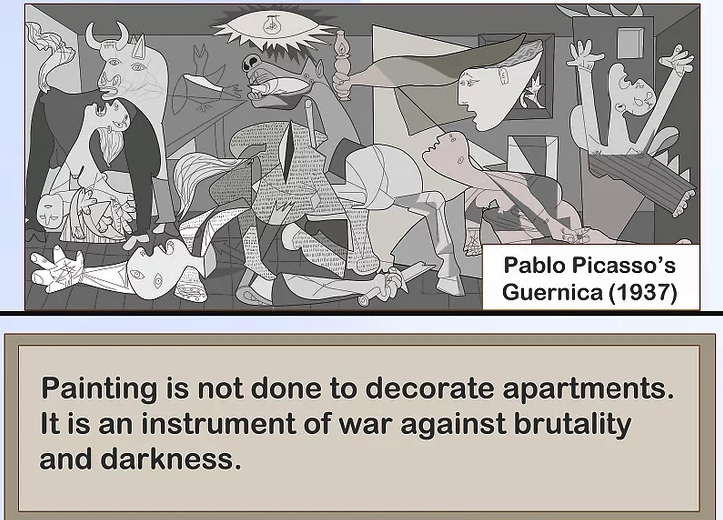
Art is often a reflection of the time and events surrounding its creation. Artists may respond to social or political upheavals, while powerful institutions have historically commissioned works to promote their agendas. Understanding the context can reveal the intended audience and the underlying message.
- Example: Pablo Picasso’s Guernica (1937) responds to the bombings during the Spanish Civil War and is filled with anti-war symbolism. Picasso famously said: “Painting is not done to decorate apartments. It is an instrument of war against brutality and darkness.”
- Historical Commissions: During the Renaissance, the Roman Catholic Church commissioned artworks to promote religious narratives and assert authority.
Keywords: historical context, commissioned art, audience
Reference: Guernica – MoMA

Step 2: Identify the Genre of the Painting
Knowing the genre helps classify and understand a work. Common painting genres include:
- Landscape: Depicts natural scenery.
- Example: John Constable’s The Hay Wain (1821) revitalized 19th-century landscape painting.
- Portraiture: Focuses on individuals.
- Example: Johannes Vermeer’s Girl with a Pearl Earring (1665) is a portrait masterpiece.
- Genre Painting: Shows scenes from everyday life.
- Example: Judith Leyster’s Carousing Couple (1630).
- History Painting: Captures a specific historical narrative.
- Example: Vasily Surikov’s The Morning of the Streltsy Execution (1881).
- Still Life: Depicts inanimate objects.
- Example: Van Gogh’s Sunflowers (1889).
Keywords: painting genres, classification, landscape, portrait, still life
Reference: Art Genres Explained – Khan Academy
Step 3: Explore Art Movements and Schools
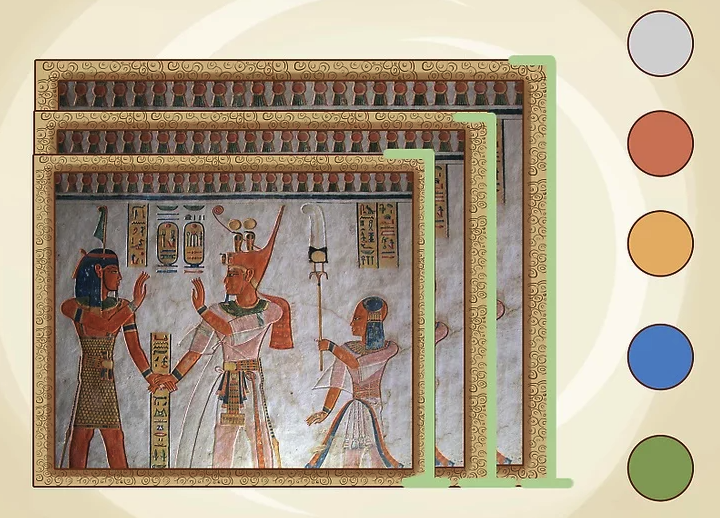
Art movements reflect surges in popularity of specific styles, while art schools are groups of artists with shared techniques or subjects. Recognizing these influences clarifies artistic choices.
- Example 1: Egyptian art followed strict conventions—figure size reflected social status, and colors symbolized life or death.
- Example 2: Impressionism (19th century) emphasized short, loose brushstrokes to capture light and atmosphere.
Keywords: art movements, art schools, Impressionism, Egyptian art
Reference: Impressionism Overview – The Art Story
Step 4: Learn About the Artist’s Life and Perspective
Understanding an artist’s personal history and perspective can deepen your interpretation. Personal experiences often influence the themes and techniques of a work.
- Example: Frida Kahlo’s struggles with polio and a severe bus accident shaped the emotional intensity and symbolism in her paintings.
Keywords: artist biography, artistic perspective, personal influence
Reference: Frida Kahlo Biography – Britannica
Method2 .Recognizing an Artist’s Craft
Step 1: Learn When the Piece Was Produced
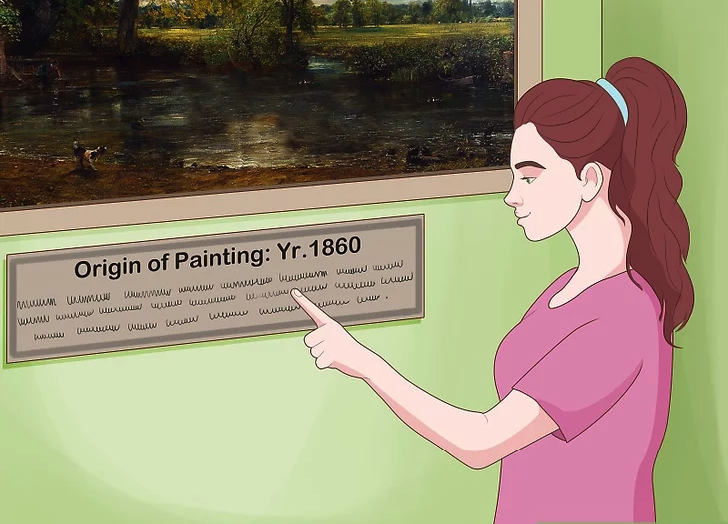
Knowing the creation date of an artwork can deepen your appreciation of the technical skill and context involved. Museums often provide informational plaques with the creation date and other essential details.
- Example: Landscape paintings made before the rise of photography (around 1860) required immense skill to capture natural scenes accurately.
Keywords: artwork date, historical context, technical skill
Reference: History of Landscape Painting – Britannica
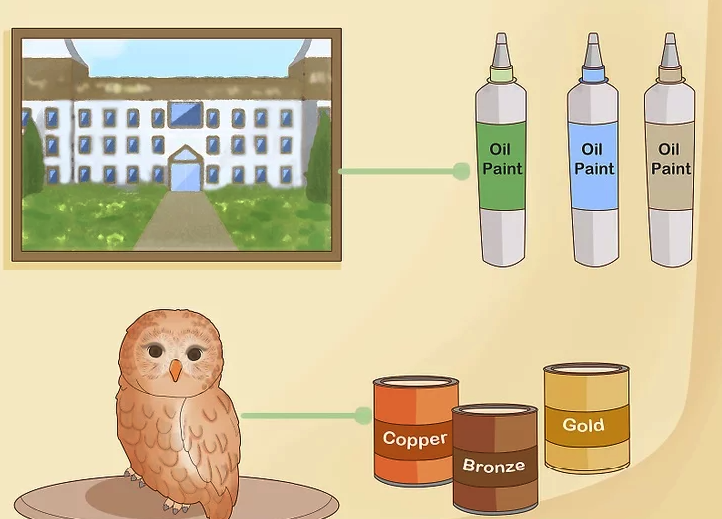
Step 2: Identify the Medium Used
The medium is the material the artist used to create a work. Different media affect both the technique and the final appearance. Common examples:
- Painting: Oil, acrylic
- Sculpture: Bronze, marble
- Modern Art: Mixed media (found objects, unconventional materials, even bodily materials)
Understanding the medium helps you appreciate the challenges and creativity involved in making the piece.
Keywords: art medium, materials, mixed-media
Reference: Art Mediums Explained – Tate
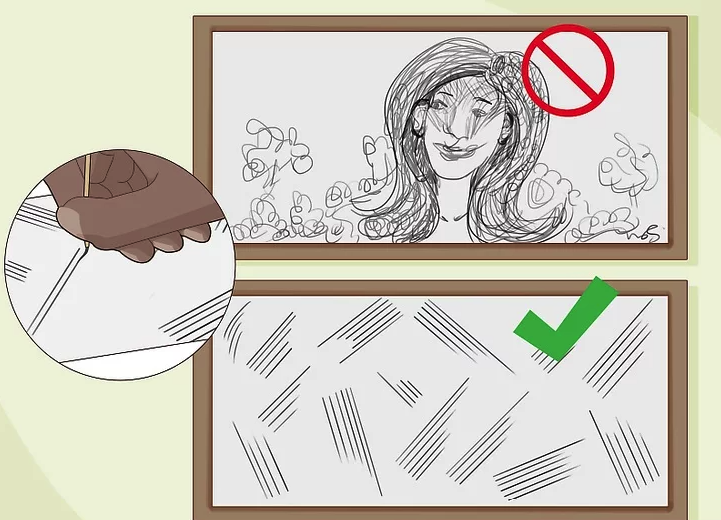
Step 3: Recognize the Artist’s Use of Lines
Lines guide the viewer’s eye and convey emotion or structure. Observe how the artist creates lines—bold, dashed, smooth, rough, or implied—through painting, drawing, sculpture, or photography.
Keywords: line, composition, visual direction
Reference: Elements of Art: Line – The Art Story
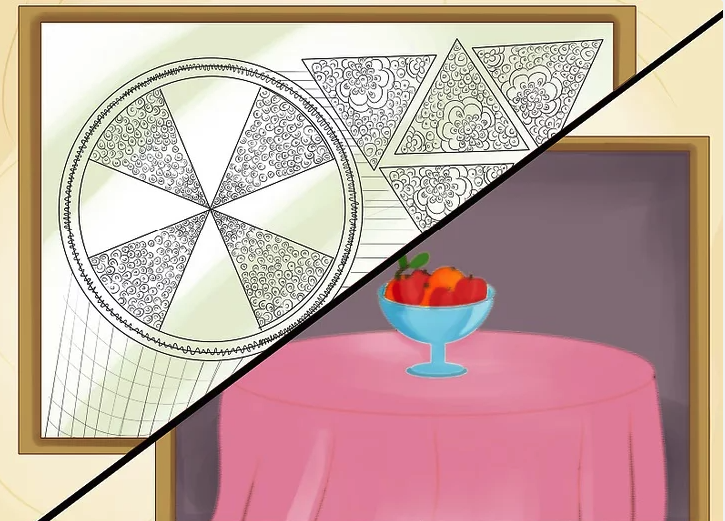
Step 4: Pay Attention to Shapes
Shapes are fundamental to visual composition. Notice geometric shapes (e.g., squares, rectangles) and organic shapes (free-form, irregular). Examining how artists manipulate shapes—especially in still life or abstract works—can reveal their creative intent.
Keywords: shape, geometric, organic, composition
Reference: Understanding Shape in Art – Khan Academy
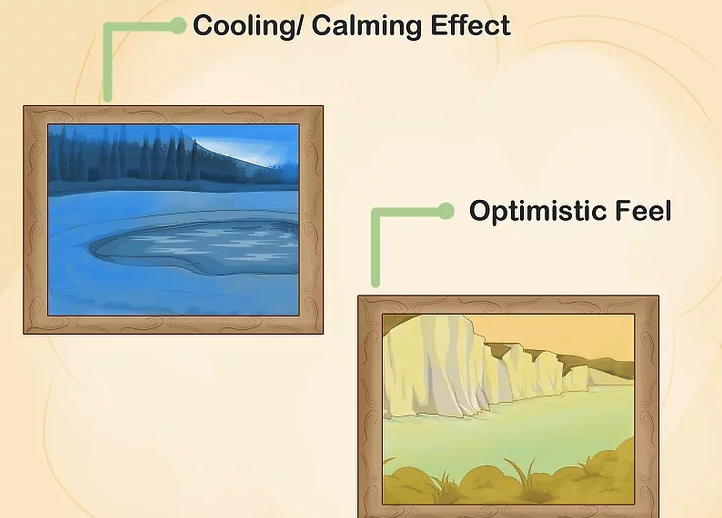
Step 5: Notice How the Artist Uses Color
Color evokes emotion and sets the tone of an artwork. Consider why specific colors were chosen, and whether they create harmony or contrast.
- Example: Blue undertones often evoke calmness, while yellow can symbolize light and optimism.
Keywords: color, mood, harmony, contrast
Reference: Color Theory in Art – Artsy
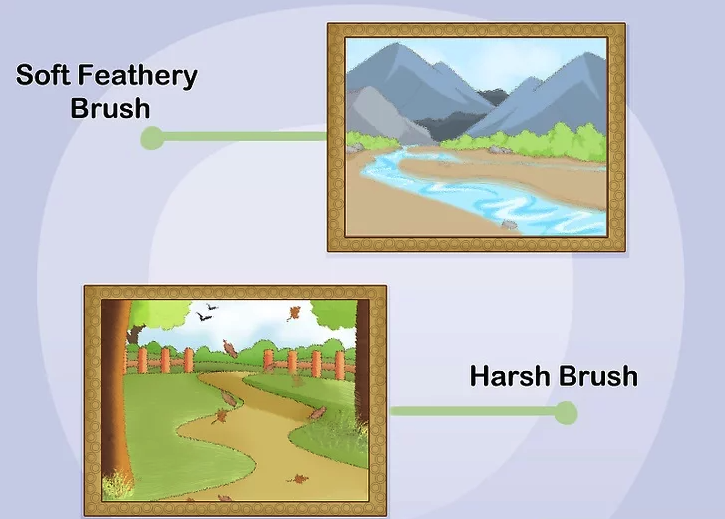
Step 6: Study the Brushwork
Brushwork refers to how paint is applied. It can create texture, mood, and movement.
- Example 1: Impressionist paintings feature feathery, light brushstrokes to capture light.
- Example 2: Harsh, erratic strokes can express tension or anxiety.
Keywords: brushwork, texture, painting technique
Reference: Brushwork Techniques – The Art Story
Method3 .Making Meaning out of Art

Step 1: Keep an Open Mind
Being open to all types of art is essential. You cannot know whether you enjoy a certain style until you try experiencing it. Think of visiting new artworks as exposing yourself to new experiences rather than just viewing objects.
Keywords: open mind, art exploration, new experiences
Reference: How to Appreciate Art – ThoughtCo

Step 2: Evaluate Your Emotional Response
Art evokes a wide range of emotions. Pay attention to how a work makes you feel: excitement, calmness, confusion, or anxiety. Recognizing your emotional response helps you connect more deeply with the piece.
Keywords: emotional response, art appreciation, feeling
Reference: The Emotional Impact of Art – Artsy

Step 3: Offer Your Own Interpretation
Art is subjective. Feel free to develop your own story or meaning for a piece, even if it differs from the artist’s original intent. Every viewer brings unique experiences, making personal interpretations valid and often sparking interesting discussions.
- Tip: It’s also okay to enjoy art without analyzing it, focusing on visual or physical properties instead.
Keywords: interpretation, subjective meaning, personal perspective
Reference: Interpreting Art – The Art Story
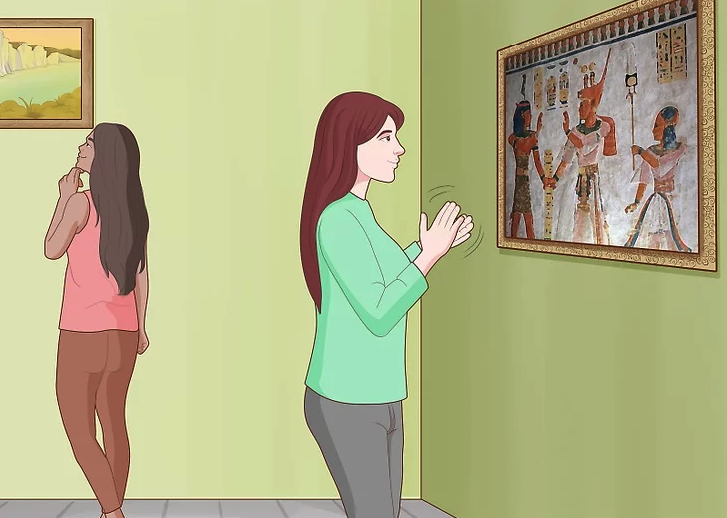
Step 4: Applaud the Ambiguity of Abstraction
Abstract art may not resemble anything in reality, making it more challenging to interpret. Observe what initially draws your eye and consider why the artist might want your attention focused there. Treat abstract art like a puzzle—your interpretation doesn’t need to be “correct,” only thoughtful.
Keywords: abstract art, ambiguity, visual focus
Reference: Abstract Art Explained – MoMA

Step 5: Learn Your Preferences
As you experience more art, you’ll discover your likes and dislikes. This helps guide future exploration and allows you to find artists and works that resonate with you. You do not have to love every piece, and it’s fine if an artwork or style does not appeal to you.
Keywords: personal preference, art taste, discovery
Reference: Finding Your Art Style – Artsy