How to React to Sexual Harassment at School, Work & in Your Personal Life ,Some boys can make inappropriate comments or gestures about your body, especially when it comes to breasts. Whether it’s leering, saying something suggestive, or crossing the line with crude remarks, it can feel uncomfortable and frustrating. The attention is unwanted, and it’s important to address it. No matter where you are—work, school, public spaces, or even in personal relationships—there are ways to respond to let them know their behavior is unacceptable. Here’s a guide to help you stand your ground and handle such situations with confidence.
Method1 At Work or School
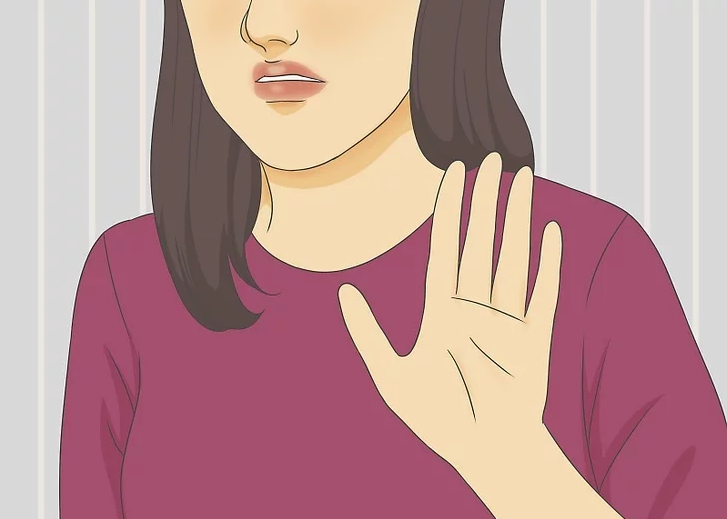
Step 1: Ask the Person Bothering You to Stop
If you feel comfortable, calmly ask the person to stop their inappropriate behavior. It’s important to clearly express how their actions are making you uncomfortable. For instance, you can say, “When you talk about my body in that way, it makes me uncomfortable, and it’s not okay for you to speak to me like that.”
Tip: If he’s with a group, he might be defensive. Approach him alone if you feel it’s safe to do so.
It’s possible that he doesn’t realize his behavior is inappropriate, but remember, you’re not responsible for educating someone who’s harassing you. Only speak up if you feel safe doing so.
What to Do If He Brushes It Off:
If he responds with something like “I was just joking” or “Lighten up,” calmly express how his words are objectifying. You might say, “I feel really objectified when you make comments like that, and it’s not fair for you to speak to me that way.”
For more guidance, check out this article on How to Deal with Inappropriate Behavior.
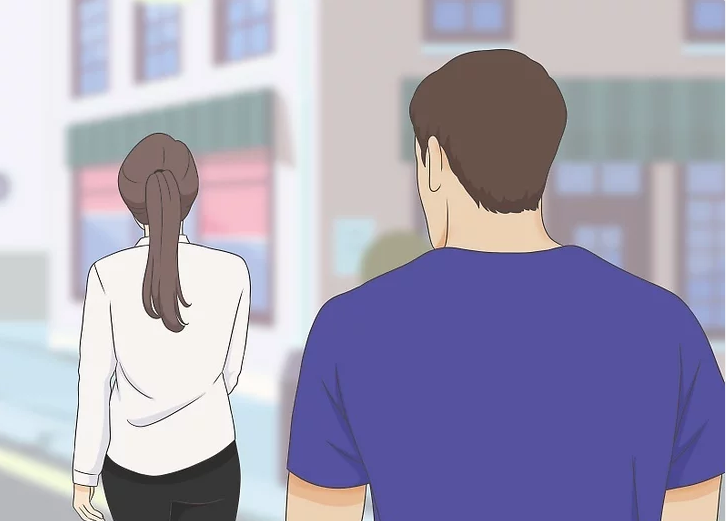
Step 2: Walk Away from the Situation
If a boy is harassing you, walking away can be an effective way to disengage. Often, such individuals seek a reaction, and when you don’t respond, they may get bored and leave you alone.
Additional Step: If you feel emotionally affected, consider speaking to a trusted mentor, guidance counselor, or therapist. They can provide support and may even intervene by addressing the person directly.
Visit National Sexual Assault Hotline for further emotional support and advice.
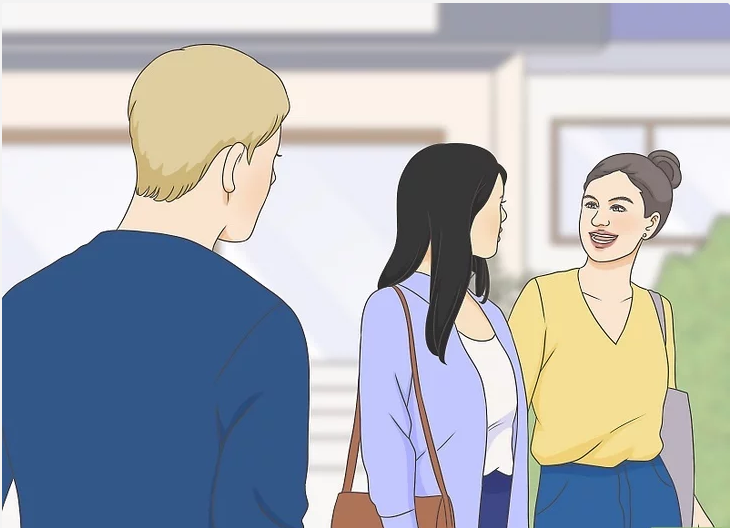
Step 3: Try to Avoid Being Alone with Anyone Who Has Harassed You
If someone has harassed you and you feel uncomfortable, try to avoid being alone with them. For example, walk with friends or stay in groups. If you have to interact with them, make sure you’re in a public space or surrounded by people.
Remember: Your safety is the priority. Seek support from trusted individuals, but understand it’s not your job to prevent harassment.
Related Resource: How to Protect Yourself from Harassment
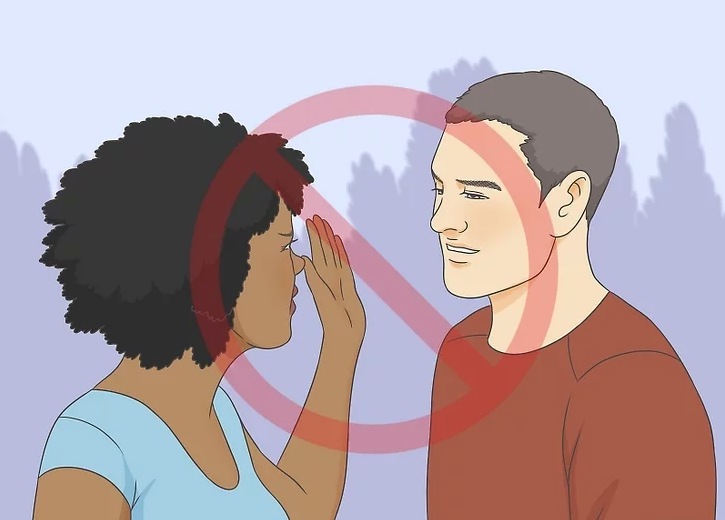
Step 4: Resist Becoming Physically Aggressive
It may be tempting to react physically to harassment, but it’s important to resist that urge. Physical retaliation could escalate the situation, and in some cases, could put you in danger if the harasser reacts aggressively.
What to Do Instead: Calmly but firmly tell the person to stop and remove yourself from the situation. If the harassment continues, don’t hesitate to seek help.
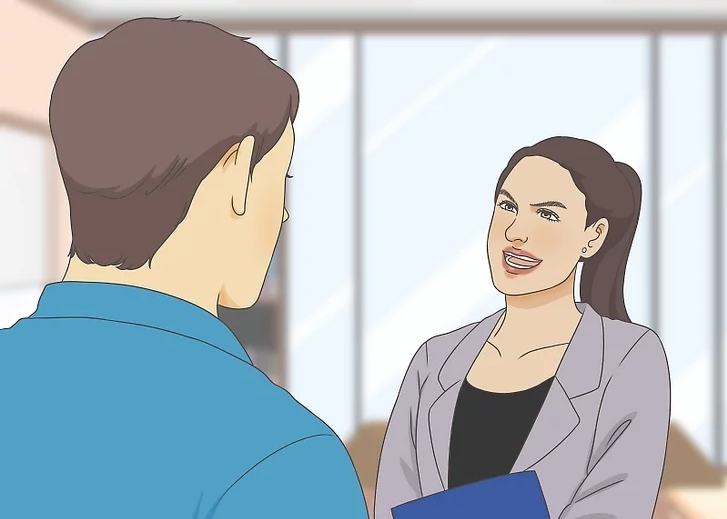
Step 5: Prepare What to Say Ahead of Time
If you know you’ll be around someone who tends to act inappropriately, plan ahead. Think about what you’ll say and how you’ll respond.
Example Phrases:
- “I find your comments inappropriate, and I’d appreciate it if you refrain from making them.”
- If someone is staring at your chest while you’re speaking, stop mid-sentence and wait for him to notice. Once he realizes and looks at your face, continue talking. This can often redirect his focus without confrontation.
For more advice on setting boundaries in tough situations, check out Setting Boundaries at Work.
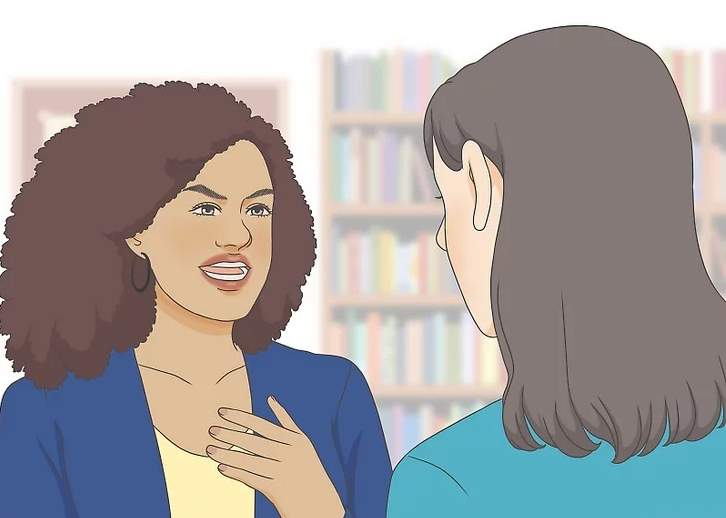
Step 6: Report the Person Bothering You
If the situation escalates or if the individual ignores your requests to stop, don’t hesitate to report the harassment to someone in authority. This could be a teacher, counselor, or HR representative.
What If You Don’t Feel Taken Seriously?
If the person you report it to doesn’t take appropriate action, escalate the matter until you find someone who will. In some cases, you may need to contact the police, especially if you feel your safety is at risk.
Anonymous Reporting:
You can also report harassment anonymously to feel more comfortable. For example, you could leave a note for HR or use an online reporting tool if available.
For more information on reporting harassment, visit Sexual Harassment Resources from the EEOC.
Method2 In Public
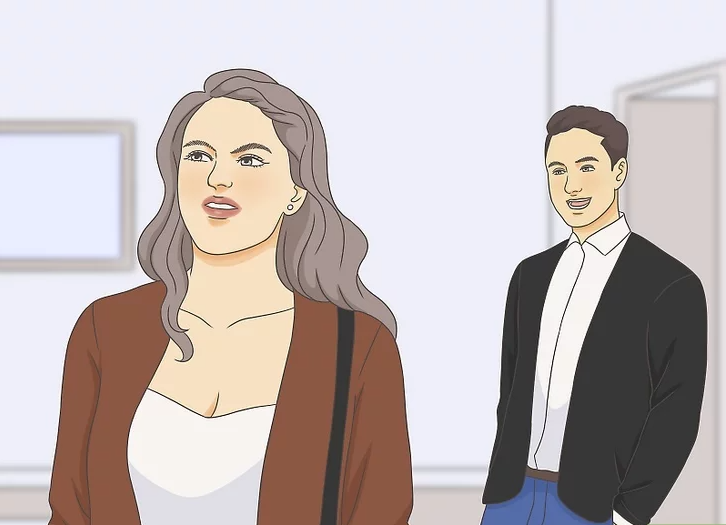
Step 1: Ignore Unwanted Stares or Comments
If someone is staring at your body or making inappropriate comments about it, the best strategy is often to ignore them. Harassers usually seek a reaction, and by not giving them one, you are likely to discourage their behavior. Keep walking or continue what you were doing—showing indifference is often the most effective way to stop harassment.
Important Tip:
If you feel physically threatened or unsafe, your priority should be to get to a public place with many people around. If necessary, contact authorities immediately.
Ignoring harassment is difficult, but you shouldn’t have to shoulder the burden of handling it alone. Unfortunately, sometimes the best way to handle street harassment is by pretending the person doesn’t exist.
For More Support:
You can read more on handling street harassment from Stop Street Harassment.
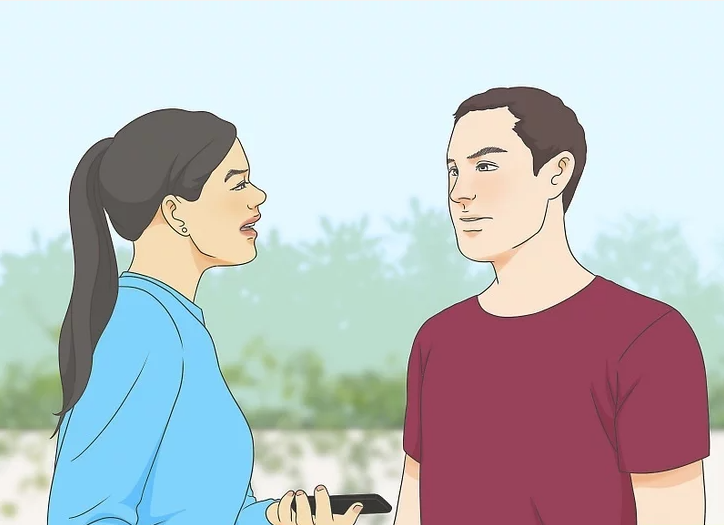
Step 2: Politely Ask the Harasser to Leave You Alone
If ignoring the comments doesn’t work, calmly and firmly ask the person to stop. Maintain a polite tone, even though the situation may be uncomfortable. Be direct, such as saying, “Don’t talk about my body like that. That’s harassment.” If the person persists, you can take out your phone and inform them that you’ll call the police if the behavior continues.
Why Stay Calm:
Harassers can react unpredictably to provocation, so it’s best to avoid escalating the situation. Politely but firmly asserting yourself sends a clear message that their behavior is unacceptable.
For more on how to assert yourself, check out The National Sexual Violence Resource Center’s Guide.
Step 3: Maintain Confident Body Language
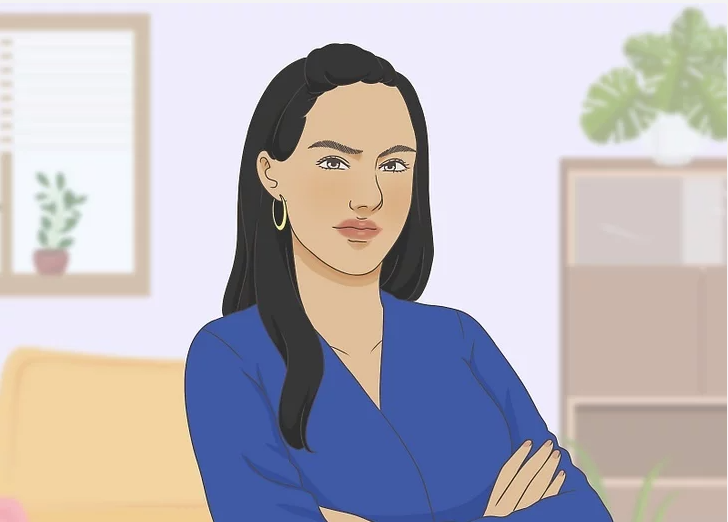
When confronting someone who is harassing you, it’s natural to feel scared or intimidated. However, standing tall and facing them with confidence can help deter further harassment. Keep your posture straight, maintain eye contact, and firmly tell them to stop. This can send a message of authority and show that you’re not afraid to stand up for yourself.
Tip:
Even if you’re feeling nervous, try to show confidence in your body language. It may help you feel more empowered and make the harasser back off more quickly.
Step 4: Point Out Unique Details About the Harasser
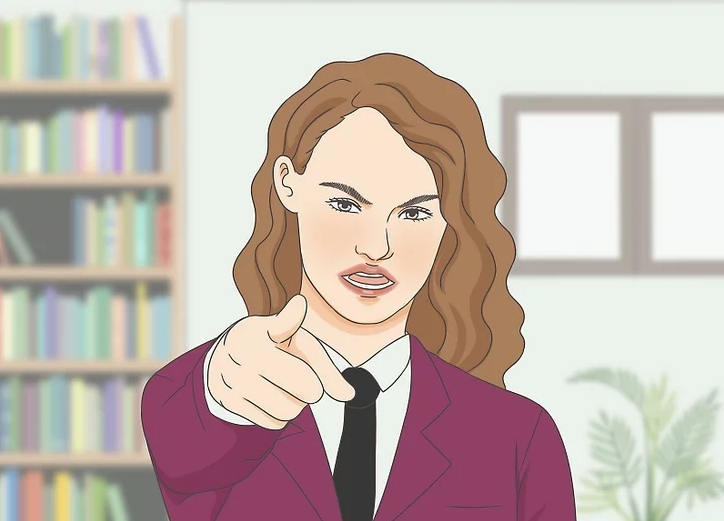
If you’re being harassed in public, it can be helpful to point out specific details about the harasser to make it easier for others to identify them. Use a distinctive feature (like clothing or appearance) to draw attention to the person.
For instance, if a boy is making inappropriate comments while wearing a bright green shirt, you can loudly say, “You in the green shirt! Stop talking about my body! That’s harassment!” This not only grabs attention but can make the harasser feel exposed and less likely to continue.
Tip for Safety:
If you’re alone and no one is around to help, pointing out something unique about the person may help you identify them later if you need to report the incident.
By handling harassment confidently and strategically, you can assert your boundaries and ensure that you’re not subjected to unwanted behavior. Remember, your safety and comfort should always be your priority.