How to Read Comics
Almost everyone has encountered comic books in some form—whether through reading them directly or watching popular comic-based movies like The Avengers or X-Men. If you’ve recently become interested in reading comics, figuring out where to begin can feel overwhelming. With countless storylines and series that have been running for decades, it’s easy to feel lost at first. The good news is that once you understand the basics and know where to start, getting into comics becomes much simpler and far more enjoyable.
Method1 .Reading Comic Pages Properly
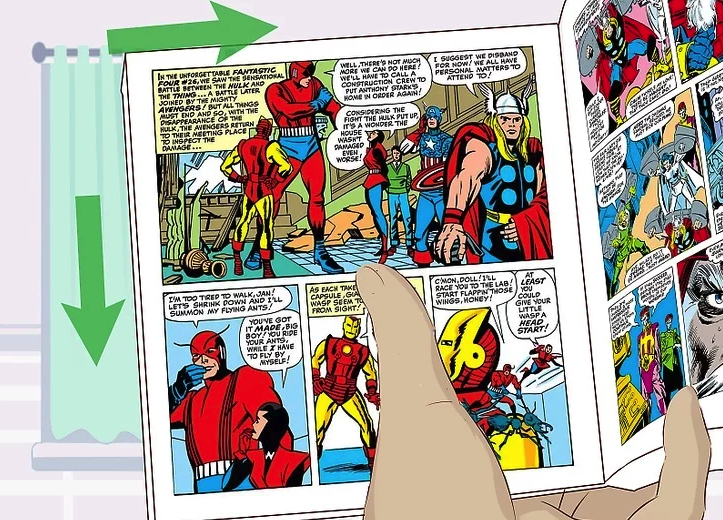
Step 1: Read Western (American) Comics from Left to Right
Western (American) comics are read from left to right and from top to bottom, just like most English-language books. Begin with the panel in the upper-left corner of the page.
Within each panel, read dialogue bubbles from left to right as well. Start with the bubble closest to the left side, then move to any dialogue positioned lower or farther right within the same panel.
Reference:
- How to Read Comic Panels (Western Style)
https://www.wikihow.com/Read-Comics
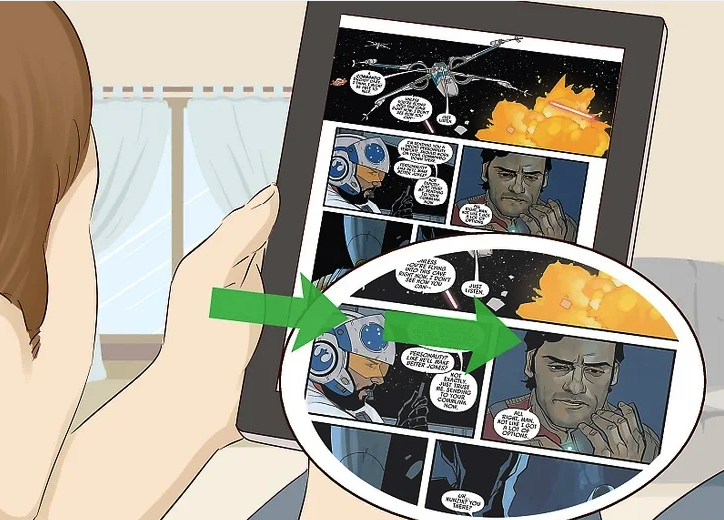
Step 2: Move to the Next Panel in Order
Once you finish reading the first panel, move your eyes to the next panel to the right. Most comic pages contain two or three panels across the top row.
Continue reading each panel in sequence, following the same left-to-right, top-to-bottom pattern throughout the page.
Further reading:
- Understanding Comic Page Layouts
https://www.comicbookherald.com/how-to-read-comic-books/
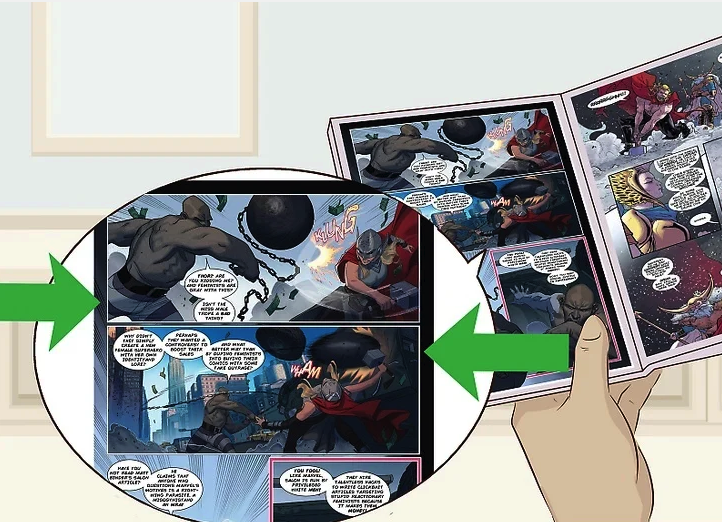
Step 3: Read Stacked Panels Together
Sometimes panels are stacked vertically instead of arranged side by side. These stacked panels usually represent connected actions or closely related dialogue.
In these cases, start with the top panel, then read the panel directly beneath it. These panels may be tilted, overlap slightly, or share dialogue bubbles to emphasize motion, tension, or fast-paced action.
Reference:
- Comic Panel Flow and Visual Storytelling
https://www.masterclass.com/articles/how-comic-panels-work
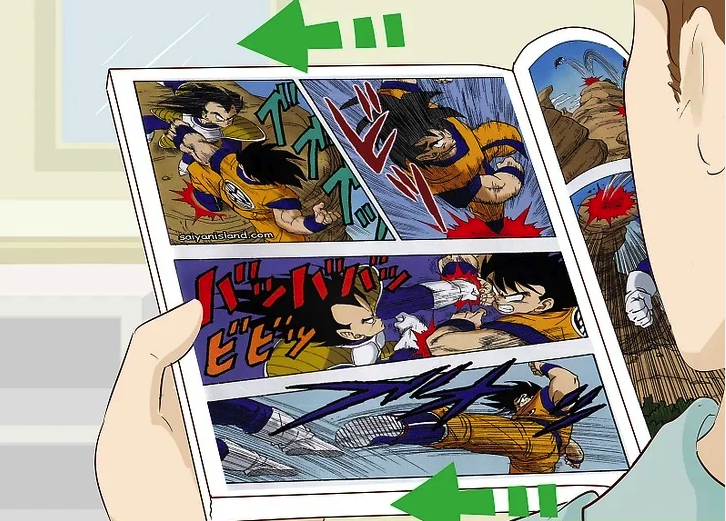
Step 4: Read Manga (Japanese Comics) from Right to Left
Manga follows a different reading format than Western comics. Japanese comics are read from right to left and top to bottom, and the book itself is read from back to front by Western standards.
Both panels and dialogue bubbles follow this right-to-left flow. Reading manga correctly is essential to understanding the story and visual pacing as intended by the artist.
Helpful guide:
- How to Read Manga Correctly
https://www.viz.com/blog/posts/how-to-read-manga
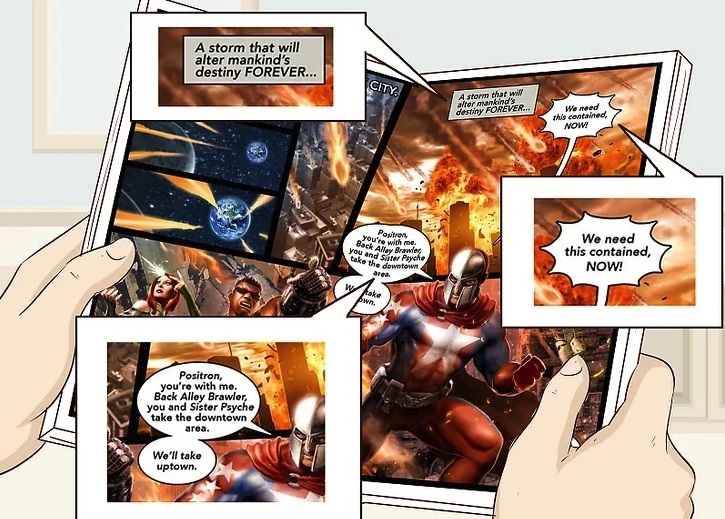
Step 5: Understand Dialogue Bubble Shapes
Dialogue bubble shapes provide important clues about how text should be interpreted:
- Speech bubbles (rounded with a tail): a character is speaking aloud
- Jagged bubbles or bold text: shouting or intense emotion
- Thought bubbles (cloud-like with trailing dots): a character’s inner thoughts
- Narration boxes (rectangular): commentary from a narrator, often revealing background information or context the characters may not know
Learning to recognize these visual cues will greatly improve your understanding of tone, emotion, and storytelling.
Reference:
- Comic Lettering & Dialogue Explained
https://blambot.com/pages/comic-book-grammar-tradition
Method2. Selecting a Comic to Read

Step 1: Figure Out What Kinds of Stories Interest You
Comic books include far more than traditional superhero stories. Just like novels or films, comics span many genres such as romance, science fiction, fantasy, horror, mystery, and slice of life.
Think about what kinds of stories you already enjoy. If you like romance, explore romance-focused comics. If action is more appealing, there are countless action-driven series available. Starting with a genre you enjoy makes choosing your first comic much easier.
Internal link (example):
- Beginner’s Guide to Comic Genres
Outbound reference:
- Comic Book Genres Explained
https://www.comicbookherald.com/comic-book-genres/
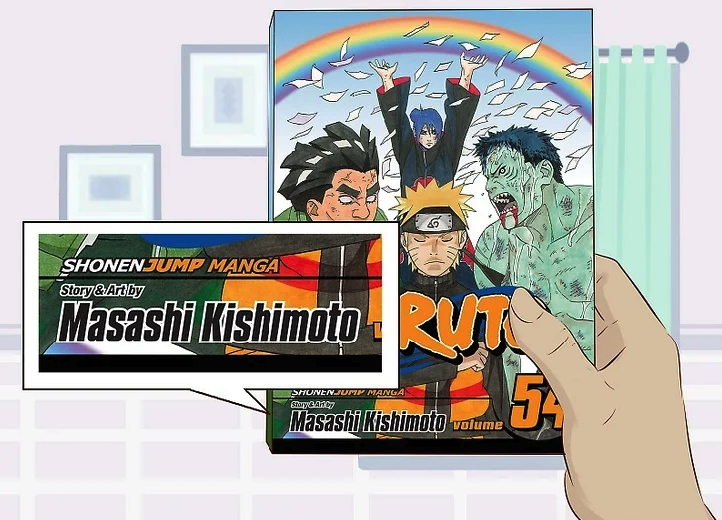
Step 2: Pick the Work of a Specific Writer
Comic books are heavily shaped by their writers. If you notice that certain story arcs or themes appeal to you, check who wrote them and explore more of that writer’s work.
Many well-known comic writers have distinct styles and recurring themes across multiple series and publishers. Following a writer you enjoy can be an excellent way to discover new comics.
Internal link (example):
- Influential Comic Book Writers
Outbound reference:
- Famous Comic Book Writers and Their Styles
https://www.masterclass.com/articles/famous-comic-book-writers
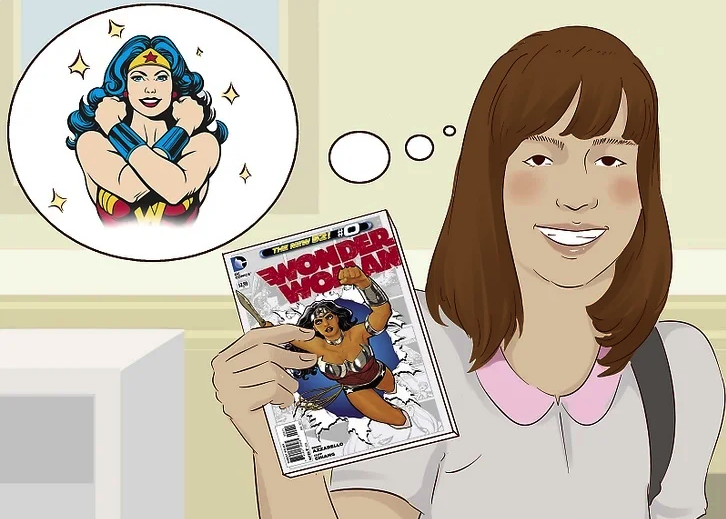
Step 3: Choose a Comic Featuring a Character You Like
Some of the world’s most iconic characters—such as Spider-Man, Superman, Wonder Woman, and Ms. Marvel—originated in comic books.
If a character already interests you, start there. Most major characters have appeared in many different storylines over the years. Choose a comic based on the part of the character’s journey that interests you most, such as their origin story or a major turning point.
Internal link (example):
- Best Starter Comics by Character
Outbound reference:
- Where to Start Reading Character-Based Comics
https://www.comicbookherald.com/where-to-start-reading-comics/
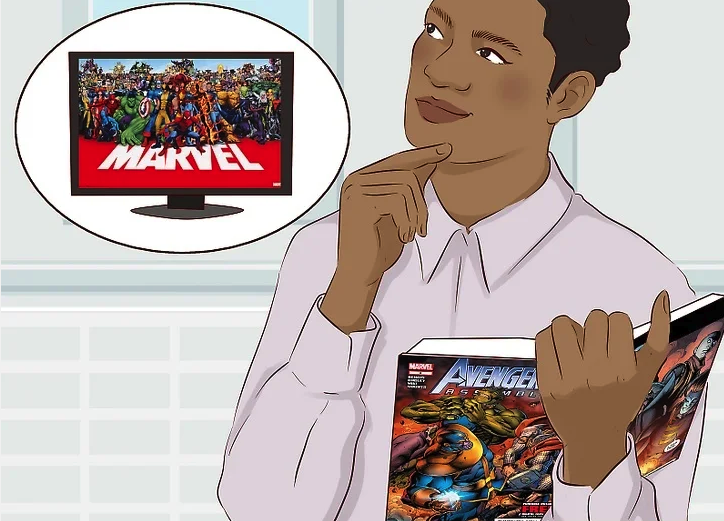
Step 4: Start With Comics That Inspired Your Favorite Movies
Many popular movies are directly adapted from comic books, including Scott Pilgrim vs. the World and The Avengers.
If you enjoyed a movie based on a comic, there’s a good chance you’ll enjoy the original source material. Starting with familiar characters and stories can make getting into comics much less intimidating.
Internal link (example):
- Comics Behind Popular Movies
Outbound reference:
- Comics That Inspired Movies
https://www.cbr.com/best-comics-that-inspired-movies/
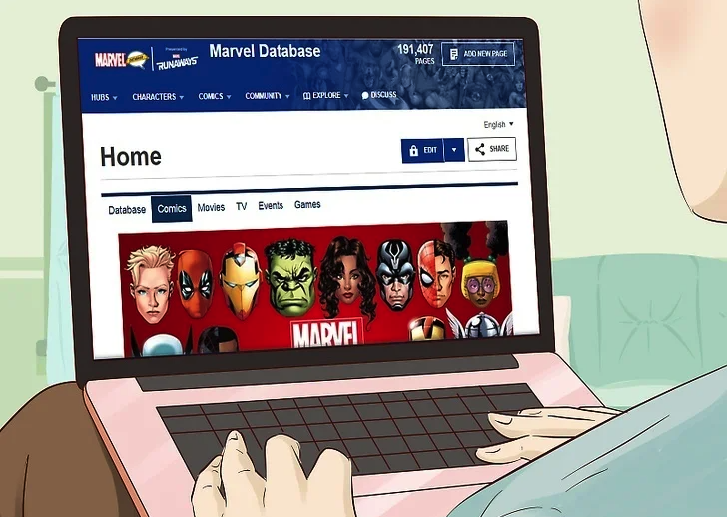
Step 5: Research the Stories You’re Interested In
Many comic series have been running for decades, which means there is often a long and complex history. Before you start reading, it helps to research major story arcs, timelines, and events.
Look for key moments or reboot points that serve as good entry points. These can help you jump into a series without needing to read everything from the beginning.
You can research comics using online databases and encyclopedias such as:
- https://www.comics.org/
- https://dc.fandom.com/wiki/DC_Comics_Database
- https://marvel.fandom.com/wiki/Marvel_Database
You can also find reference books at libraries or bookstores that cover comic history, publishers, and characters.
Internal link (example):
- How to Research Comic Book Timelines
Reference:
- The Overstreet Comic Book Encyclopedia
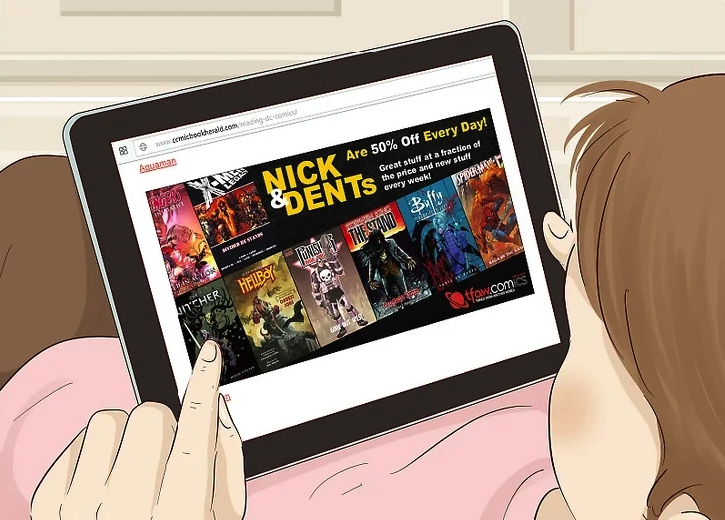
Step 6: Use Curated Reading Lists
If you’re still unsure where to begin, reading lists can be extremely helpful. These lists are usually created by experienced fans and recommend starting points based on major story arcs or events.
To find one, search online using phrases like:
- “Marvel reading list”
- “DC reading list”
- “Spider-Man reading order”
Replace the publisher or character name with whatever you’re interested in.
Internal link (example):
- Recommended Comic Reading Orders
Outbound reference:
- Comic Book Reading Orders
https://www.comicbookreadingorders.com/
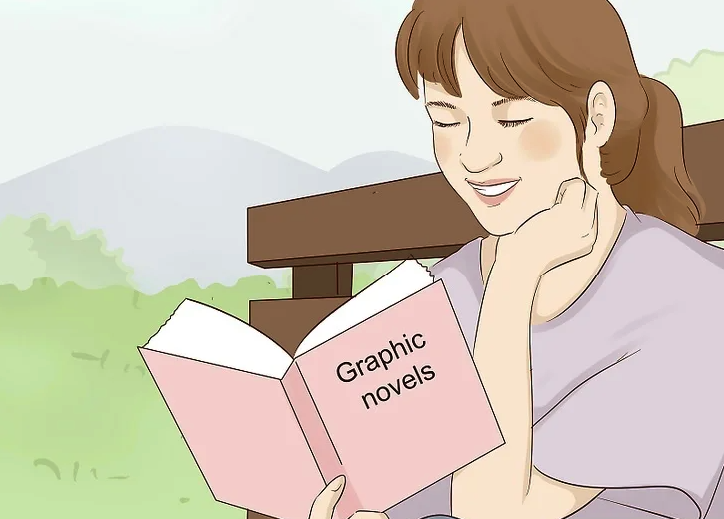
Step 7: Learn Common Comic Book Terminology
Understanding basic comic book terminology will make it easier to know what you’re reading or buying:
- Graphic novels / trade paperbacks: Collections of multiple comic issues bound into a single book
- Omnibus: Large volumes that collect an entire storyline or run, usually at a higher cost
- Issues: Individual chapters of a comic series, typically released monthly
Knowing these terms will help you navigate comic shops, libraries, and digital platforms with confidence.
Internal link (example):
- Comic Book Formats Explained
Outbound reference:
- Comic Book Glossary
https://www.comicbookherald.com/comic-book-glossary/
Method3 .Collecting Comic Books
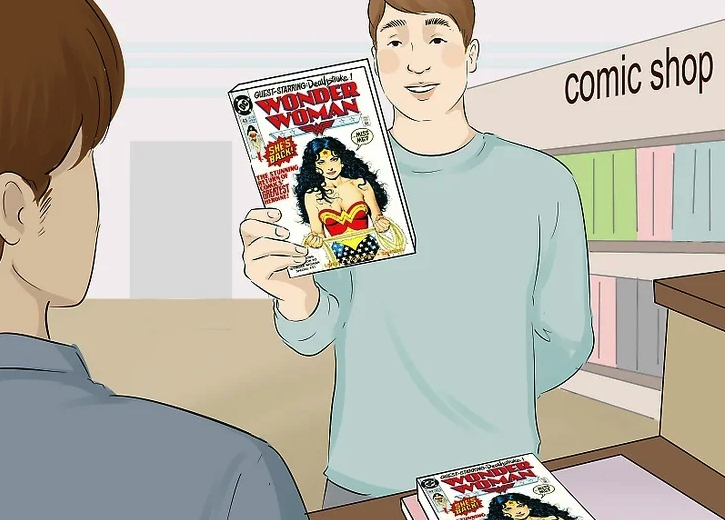
Step 1: Browse Comic Shops for Physical Comics
Visit local comic shops regularly to explore and purchase physical comic books. Comic shops constantly update their inventory, giving you plenty of options while you decide what interests you most.
Physical comics have several advantages: they can be read without an internet connection, are easy to display, and allow you to build a visible collection over time. Before you begin collecting, make sure you have enough shelving or storage space, such as boxes or bins, to keep your comics organized and protected.
Reference:
- How to Find and Support Local Comic Shops
https://www.comicshoplocator.com/
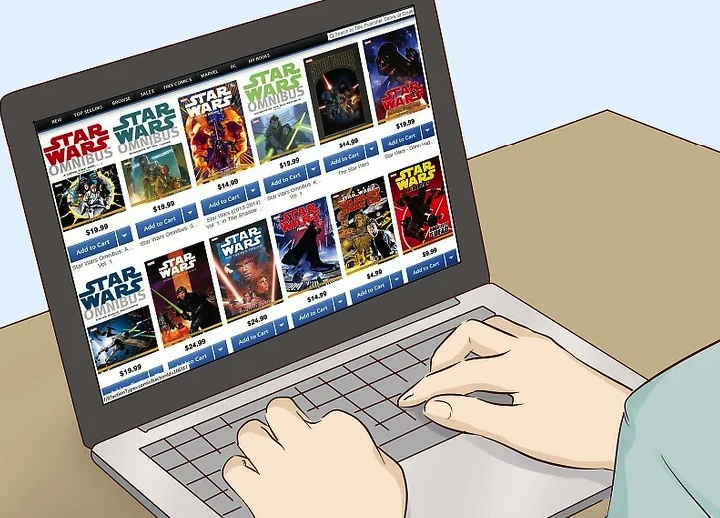
Step 2: Buy Digital Comics for Convenience
Digital comics are an excellent option if you want to save space or keep your collection neatly organized in one place. They are easy to access, portable, and ideal for readers who don’t have room for physical storage.
Many readers choose a hybrid approach—reading comics digitally while purchasing print editions of their favorite stories to support the creators. Some physical comics even include a free digital copy with purchase.
Recommended platforms:
- Amazon Kindle / ComiXology
https://www.amazon.com/kindle-dbs/comics-store - Marvel Unlimited
https://www.marvel.com/unlimited - DC Universe Infinite
https://www.dcuniverseinfinite.com/
Reference:
- Print vs Digital Comics: Pros and Cons
https://www.comicbookherald.com/print-vs-digital-comics/
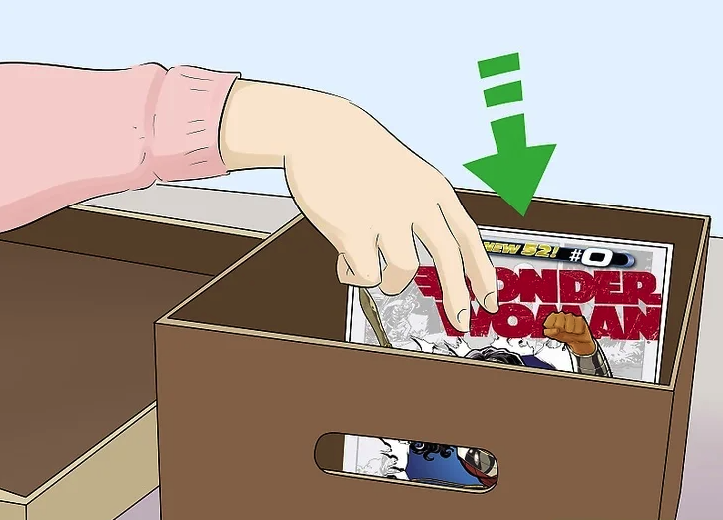
Step 3: Decide How You Will Store Your Comics
Comic books are collectible items, and proper storage helps preserve them for years of reading and collecting. Store physical comics upright on shelves like standard books, but protect individual issues using plastic sleeves and backing boards to prevent yellowing or damage.
Some collectors also use special comic storage boxes, which provide excellent protection and look great on display.
For digital comics, consider backing up your collection to a cloud service such as Dropbox or Google Drive in case of device failure or account issues.
Reference:
- How to Store and Protect Comic Books
https://www.bcwsupplies.com/blog/2017/05/30/how-to-store-comic-books/
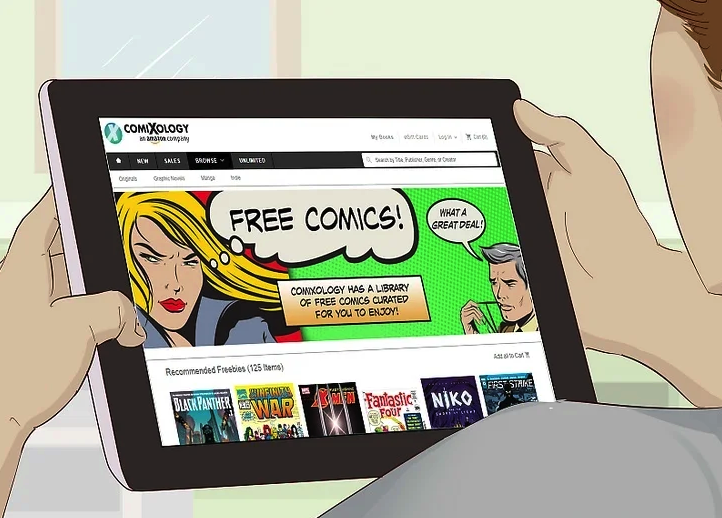
Step 4: Get Free Comic Books
The comic book community frequently offers free issues to encourage new readers. One of the best opportunities is Free Comic Book Day, an annual event hosted by comic shops worldwide. Search online to find when the next event will take place near you and plan a visit.
You can also find free comics online:
- Free Comics on ComiXology
https://www.comixology.com/free-comics
Libraries are another excellent resource. Many libraries carry large comic and graphic novel collections that you can borrow for free. You can also ask friends who read comics if they’re willing to lend you issues from their collection.
References:
- Free Comic Book Day Official Site
https://www.freecomicbookday.com/ - Comics and Graphic Novels in Libraries
https://www.ala.org/tools/librariestransform/libraries-comics
Method4 .Diving In

Step 1: Start With Any Story That Interests You
You don’t need to read comics in a strict order to enjoy them. Feel free to begin with any storyline that catches your attention. Starting in the middle of a series is perfectly fine, and you won’t miss much context.
If something feels unclear, you can easily look up background information using reliable online sources such as Google or Wikipedia to fill in any gaps.
Reference:
- Where to Start Reading Comics
https://www.comicbookherald.com/where-to-start-reading-comics/
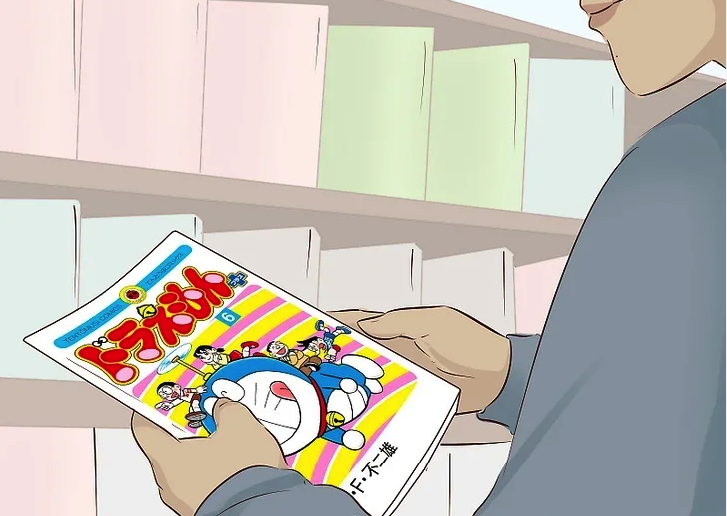
Step 2: Focus on One Story or Series at First
The comic book world is vast, and trying to read everything at once can quickly become overwhelming. Begin with a single series or storyline that truly interests you.
Once you finish that series—or reach the most recent issue—then move on to another comic. This approach helps you stay engaged without feeling overloaded.
Reference:
- Beginner Comic Reading Tips
https://www.cbr.com/comics-beginners-guide/

Step 3: Gradually Branch Out Into New Stories
As you become more comfortable reading comics, start exploring beyond your first choice. Look for other stories featuring the same character, written by the same author, or published by the same company.
Over time, this gradual expansion can lead you to discover new genres, characters, and storytelling styles you may not have considered before.
Reference:
- How to Expand Your Comic Reading
https://www.comicbookreadingorders.com/
