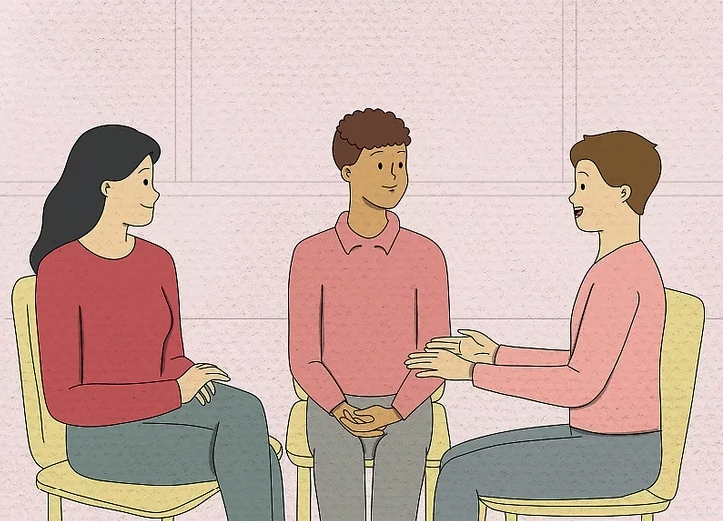
How to Deal with a Toxic Mother – Toxic relationships are not exclusive to parent-child dynamics, but when the parent in question is your mother, the impact can be particularly profound. Parents play a crucial role in shaping their children’s sense of self and perception of the world. Simply put, a toxic relationship can threaten your mental, emotional, and even physical health. This article will guide you in recognizing the signs of a toxic mother and provide strategies to navigate and cope with such a challenging relationship.
Part1 Identifying a Toxic Mother

Step 1: Acknowledge that a Toxic Mother May Use Manipulation
Toxic mothers often use manipulation to get what they want. Manipulation is a defining characteristic of toxic parents, attempting to influence the thoughts, feelings, or behaviors of others for personal gain, often in a covert way. If you suspect you are being manipulated, ask yourself whether your thoughts, feelings, and actions are genuinely your own or influenced by her.
This is particularly common in parents with manipulative personality traits or mental health disorders, such as Borderline Personality Disorder.
Reference
Step 2: Recognize that Toxic Mothers Are Often Overly Controlling
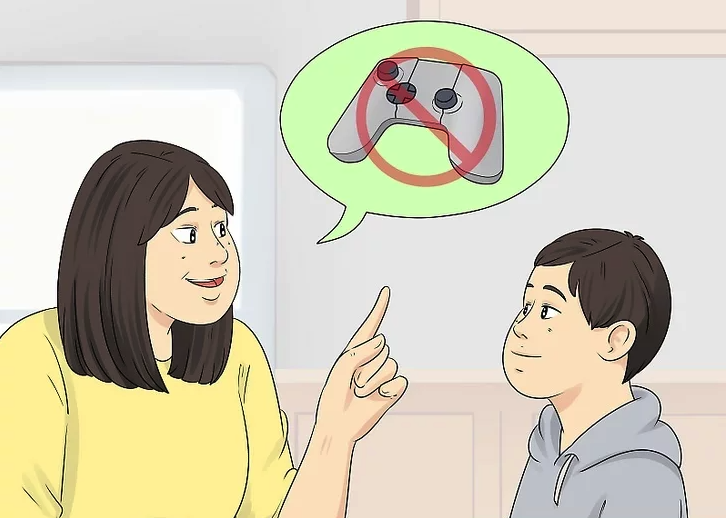
Many toxic mothers display overcontrolling tendencies. Even as adults, children may find their mothers trying to dictate decisions about college, relationships, or even clothing. Such control can limit your ability to develop essential life skills, leaving you feeling insecure or lost as an adult.
Reference
Step 3: Understand that Toxic Mothers Often Ignore Boundaries
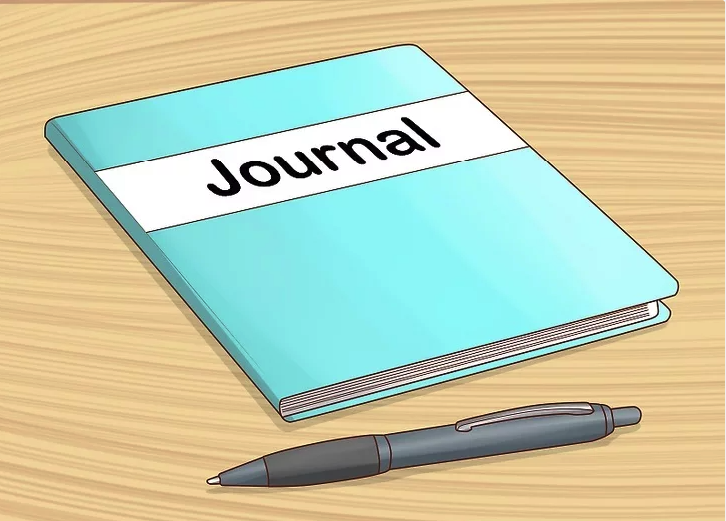
Ignoring personal boundaries is another common trait. You may try to set boundaries in your relationship, but they are often disregarded. For example, you may request privacy, only to find your mother reading your journal or snooping on your social media. Long-term boundary violations may require you to clearly communicate limits or reduce contact to protect your well-being.
Reference
Step 4: Realize Most Toxic Mothers Lack Empathy
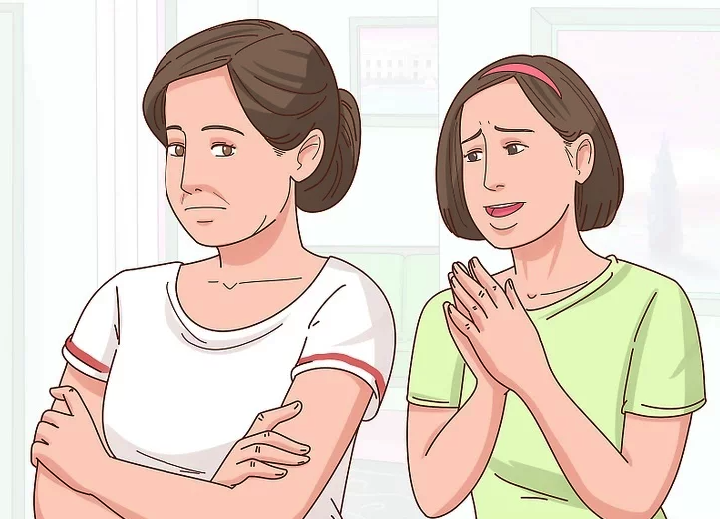
A key characteristic of toxic mothers is lack of empathy. Empathy is the ability to understand and consider another person’s emotional experiences. Toxic mothers rarely make the effort to understand their children’s problems, often providing love, understanding, or warmth inconsistently or almost never. Children learn empathy by observing their parents, so this deficit can affect emotional development.
Reference
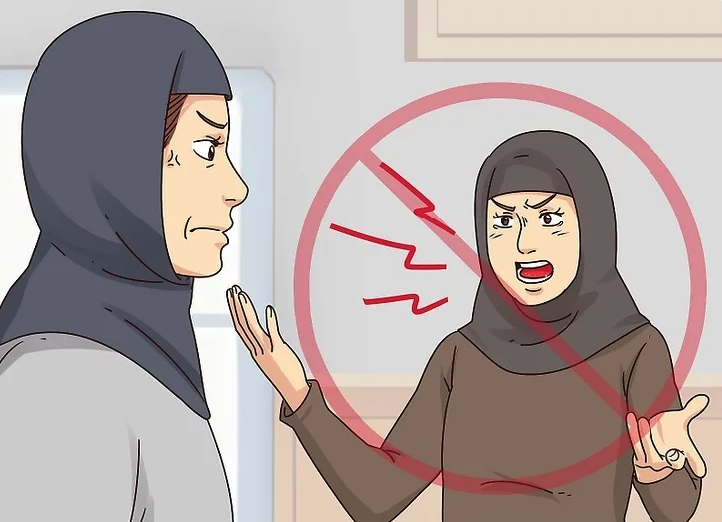
Step 5: Understand that Toxic Mothers Often Blame Their Children
Toxic mothers frequently blame their children for problems or events that are unrelated to them. For instance, if a mother is upset about a messy house, she may place the blame on the child even if they had no part in creating the mess. This constant blame can erode a child’s self-esteem and foster feelings of guilt.
Reference
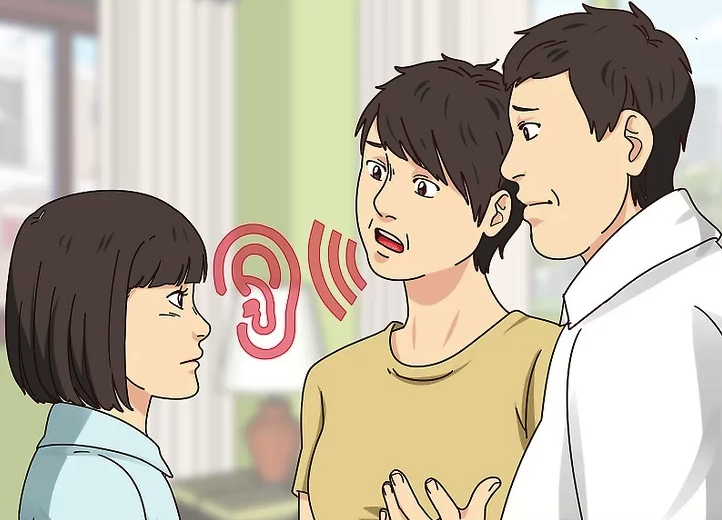
Step 6: Recognize that Toxic Mothers Put Their Children Down
Toxic mothers often minimize or dismiss their children’s accomplishments. Many mothers struggle with their own insecurities, which prevents them from expressing pride in their children. This behavior is particularly painful because most children seek validation and acceptance from their parents. If your achievements are routinely downplayed or ignored, it may indicate a destructive relationship.
Reference
Part2 .Dealing with a Toxic Mother
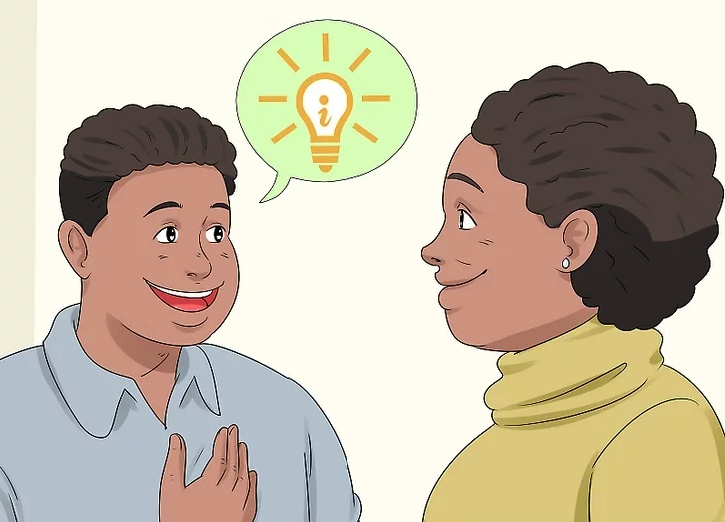
Step 1: Set Boundaries That Are Beneficial to You
Setting clear boundaries is crucial when dealing with a toxic mother. You may find yourself becoming codependent in your quest for her love or approval, but healthy boundaries are essential to protect your well-being. For instance, you might limit the number of phone calls or let her know that unannounced visits are unacceptable.
Be sure to explain these boundaries to her in a clear but gentle manner, and then consistently enforce them. Your boundaries must reflect your self-worth and be based on what is important to you. If you’re unsure about what behaviors to tolerate, consider speaking with a therapist to help you assert yourself more effectively.
Remember: boundaries are not negotiable. A toxic parent will likely try to push those limits, but it’s important to remain clear, direct, and firm about the consequences of violating those boundaries.
Reference

Step 2: Limit the Time You Spend with Your Mother
Sometimes, spending time apart from your toxic mother, whether over the phone or in person, can relieve emotional burdens while still allowing you to maintain some level of relationship.
Distance often works wonders—familiarity breeds contempt. A little space can give you peace of mind and time to reflect on how you want to handle the relationship moving forward.
Reference

Step 3: Don’t Try to Change Your Mom
It’s common to think you can change a toxic parent into someone more loving or supportive, but this is unrealistic. Trying to change someone else is impossible. Instead, focus on controlling how you respond to toxicity. By taking charge of how you react to your mother’s behavior and limiting your exposure, you can maintain healthier boundaries.
Reference
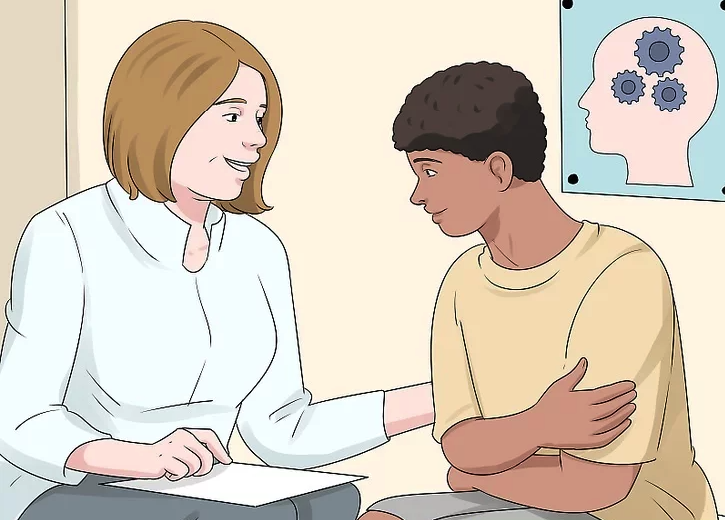
Step 4: Seek Outside Help If Necessary
Healing from a toxic mother’s influence is possible with professional help. If your relationship with your mother is causing significant stress, therapy can provide a safe space to explore how her behavior has shaped your emotions and actions. Family dynamics can be complex, and therapy helps you reflect on how childhood experiences have affected your current relationships.
If your mother is open to it, consider family therapy to improve communication and conflict resolution. A therapist can guide the process, helping both you and your mother address issues together.
Reference
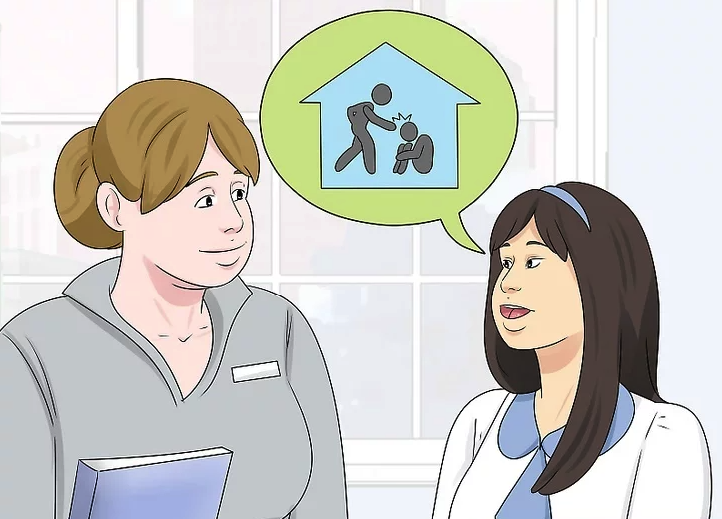
Step 5: Speak Up When Necessary
While arguing with a toxic mother may not be helpful, learning to voice your needs is crucial for developing healthy relationships. Speaking up for yourself is an empowering way to stop seeking constant approval and practice assertiveness. By expressing how you feel and what you need, you can better navigate your relationship with your mother and others.
Reference

Step 6: Practice Self-Care
Taking care of yourself through self-care is essential. Make time for activities that nourish your mind and body, such as exercise, art, or simply eating nutritious food. The key is to find constructive outlets for your emotions, whether through painting, playing music, or engaging in hobbies. Regular self-care helps reduce stress and strengthens your resilience in dealing with a toxic relationship.
Reference
Part3 Coping with a Toxic Mother
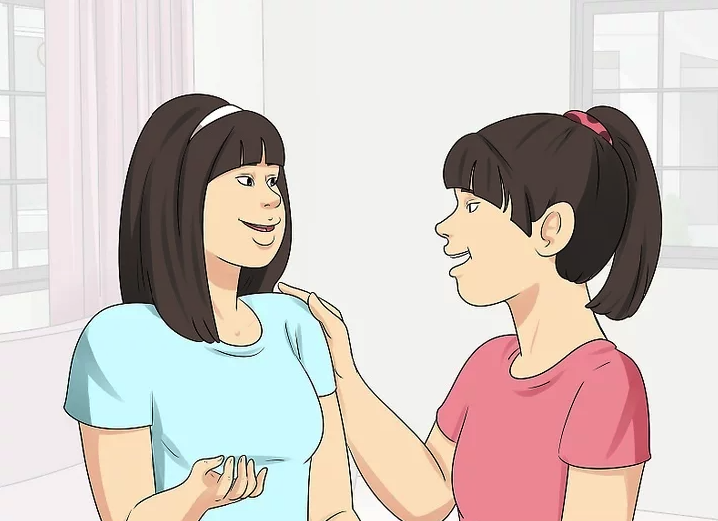
Step 1: Create a Support Group
A support system is vital in coping with the stress caused by a toxic parent. Having people you can trust to vent to or brainstorm solutions with can provide relief. Reach out to loved ones or friends when you need advice or encouragement. If you feel like your support system is lacking, consider joining a support group for children of toxic parents. These groups provide a sense of solidarity and understanding from others who have similar experiences.
Reference

Step 2: Find Ways to Destress
It’s essential to destress if your interactions with your mother become overwhelming. Engaging in stress-relieving activities can help you regain balance. Try journaling or exercising to release built-up tension. You can also relax by practicing meditation, doing yoga, listening to music, or simply enjoying a warm bath/shower. Find activities that work for you to help you unwind when the stress becomes too much.
Reference
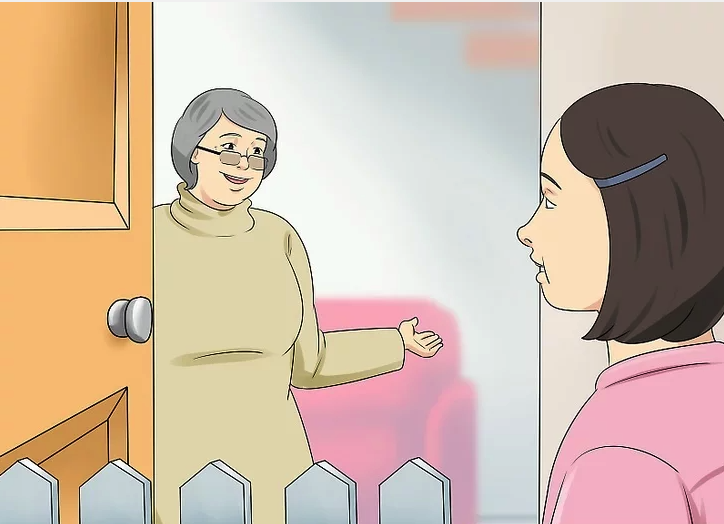
Step 3: Have Another Place to Go When Things Get Stressful
When tensions rise with your mother, it’s important to have an escape. Having a place where you can go to recharge and be yourself is critical. Whether it’s a friend’s house, a family member’s home, or any place where you can be alone and feel at peace, having a safe space helps you maintain your mental well-being.
Reference
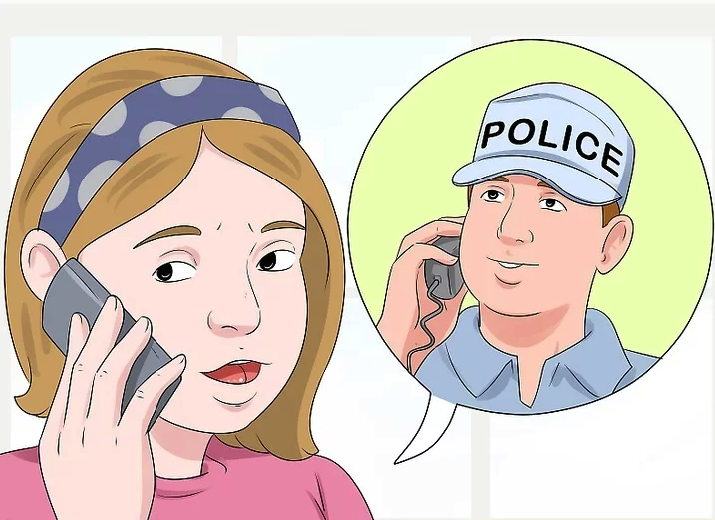
Step 4: Talk to Someone if Things Get Serious
If your mother’s behavior crosses the line into physical, emotional, or mental harm, it’s crucial to talk to someone. Reach out to a trusted teacher, counselor, family member, or call local authorities if necessary. You do not have to endure abuse, and it’s important to get help when things become dangerous or unmanageable.
Reference