
Bitcoin has reached the historic $100,000 milestone, driven by institutional adoption, spot ETF approvals, and macroeconomic tailwinds. This analysis examines the key drivers behind this rally, evaluates sustainability factors, and provides a framework for prudent crypto allocation within a diversified portfolio.

Key Drivers of the Bitcoin Rally
According to data from CoinDesk and Bloomberg, several factors have converged to push Bitcoin to six figures:
1. Spot ETF Approvals
The SEC’s approval of Bitcoin spot ETFs in January 2024 opened the floodgates for institutional capital. BlackRock’s iShares Bitcoin Trust (IBIT) has amassed over $50 billion in assets, making it one of the fastest-growing ETFs in history. This institutional validation has fundamentally changed Bitcoin’s market structure.
2. The Halving Cycle
Bitcoin’s fourth halving in April 2024 reduced the block reward from 6.25 to 3.125 BTC, cutting the rate of new supply entering the market by 50%. Historically, halving events have preceded significant bull runs within 12–18 months.
3. Macro Environment
Federal Reserve rate cuts beginning in late 2025 have boosted risk assets broadly. As we analyzed in our Fed rate impact article, easing monetary policy creates a favorable backdrop for speculative assets like Bitcoin.
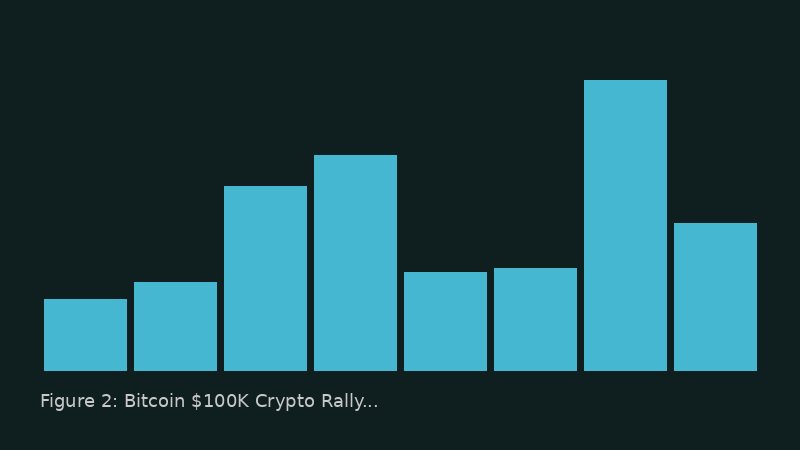
Market Structure Evolution
| Metric | 2023 | 2024 | 2025 | 2026 (YTD) |
|---|---|---|---|---|
| Bitcoin Price | $42,000 | $68,000 | $85,000 | $100,000+ |
| ETF AUM | $0 | $25B | $45B | $60B+ |
| Daily Volume | $15B | $30B | $45B | $50B+ |
| Hash Rate | 500 EH/s | 600 EH/s | 750 EH/s | 850 EH/s |
Risks and Considerations
Despite the bullish momentum, several risks warrant careful attention:
- Regulatory Uncertainty: SEC enforcement actions and potential congressional legislation could restrict market access
- Volatility: Bitcoin’s 60-day realized volatility remains above 50%, significantly higher than equities
- Environmental Concerns: Proof-of-work mining consumes substantial energy, facing increasing ESG scrutiny
- Competition: Central Bank Digital Currencies (CBDCs) and layer-1 alternatives could reduce Bitcoin’s market share
- Correlation Risk: Bitcoin’s correlation with equities has increased, reducing its diversification benefit

Recommended Allocation Framework
Based on research from Fidelity Digital Assets and our own analysis, we recommend the following approach:
- Core Allocation: 1–3% of total portfolio value for conservative investors; 3–5% for those with higher risk tolerance
- Entry Strategy: Use dollar-cost averaging over 6–12 months rather than lump-sum investing
- Storage: For allocations above 1%, consider self-custody with a hardware wallet; smaller amounts can remain on regulated exchanges
- Rebalancing: Set target allocation and rebalance quarterly—take profits when crypto exceeds target by more than 50%
Risk Warning
Cryptocurrency investments carry substantial risk, including the possibility of total loss. Bitcoin has experienced drawdowns exceeding 70% on multiple occasions. Never invest money you cannot afford to lose, and always maintain adequate emergency savings before allocating to speculative assets. For guidance on building your safety net, see our emergency fund guide.
References & Further Reading
- IRS — Retirement Plans Tax Information
- Investopedia — Retirement Account Comparison
- Vanguard — Retirement Planning Resources
Ready to optimize your retirement savings? Try our Retirement Calculator or subscribe for weekly retirement planning tips.