Category: Budgeting & Saving

  • The Psychology of Investing: Avoiding Common Behavioral Biases

    The Psychology of Investing: Avoiding Common Behavioral Biases

    Behavioral finance research reveals that psychological biases destroy more investor wealth than market crashes. Studies by Dalbar consistently show that the average equity fund investor underperforms the S&P 500 by 4–6% annually due to emotional decision-making. Understanding these biases is the first step to overcoming them.

    Behavioral Biases Impact on Investment Returns

    The Most Destructive Behavioral Biases

    Loss Aversion

    Prospect theory, developed by Nobel laureate Daniel Kahneman, demonstrates that people feel losses approximately 2.5x more intensely than equivalent gains. This leads investors to hold losing positions too long (hoping to break even) while selling winners too early (to lock in gains).

    Confirmation Bias

    Investors seek information that validates existing beliefs while dismissing contradictory evidence. In the age of algorithmic social media feeds, this bias has intensified—creating dangerous information echo chambers.

    Herd Behavior

    The tendency to follow the crowd drives market bubbles and crashes. During the 2021 meme stock phenomenon, retail investors piled into stocks like GameStop not based on fundamentals, but because “everyone else was doing it.”
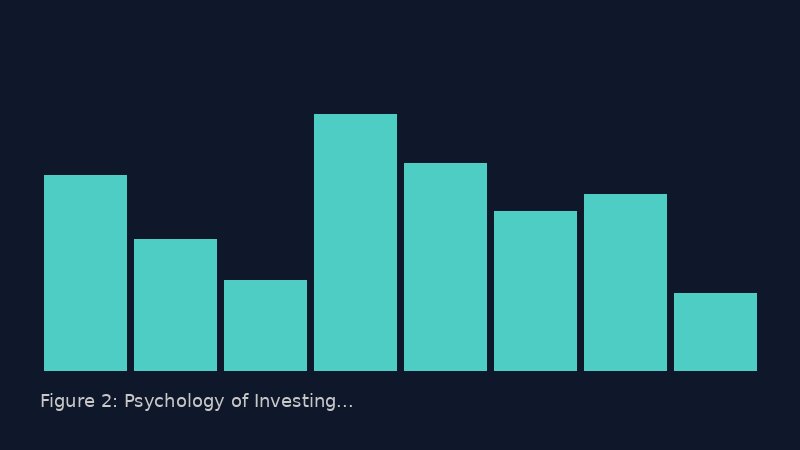
    Investor Behavior During Market Cycles

    Bias Impact Annual Cost Defense Strategy
    Loss Aversion Holding losers 1.5–2.5% Pre-set stop losses
    Overtrading Excess fees/taxes 1.0–3.0% Buy-and-hold discipline
    Herd Behavior Buy high/sell low 2.0–4.0% Contrarian analysis
    Overconfidence Concentrated bets 1.5–3.5% Diversification

    Evidence-Based Strategies to Overcome Biases

    1. Investment Policy Statement: Document your strategy, target allocation, and rebalancing rules in advance
    2. Automation: Systematize contributions, rebalancing, and tax-loss harvesting
    3. Decision Journal: Record the rationale for every trade—review quarterly for patterns
    4. Pre-commitment: Set rules for market downturns before they happen

    Systematic vs Emotional Investment Performance

    As we explored in our DCA guide, systematic investment strategies provide a powerful defense against behavioral errors by removing emotion from the decision-making process.

    References & Further Reading

    1. Dalbar — Quantitative Analysis of Investor Behavior
    2. Kahneman & Tversky — Prospect Theory Research

    Take the next step—explore our Financial Tools or Learning Center for more in-depth guidance.

  • Estate Planning Essentials: Protecting Your Family’s Financial Future

    Estate Planning Essentials: Protecting Your Family’s Financial Future

    Estate planning is not exclusively for the wealthy—every adult should have fundamental documents in place to protect their family and ensure their wishes are honored. According to Caring.com, 67% of Americans have no estate planning documents, leaving their families vulnerable to probate, disputes, and unnecessary taxes.

    Estate Planning Document Hierarchy and Priority

    Essential Estate Planning Documents

    1. Last Will and Testament

    A will specifies how your assets are distributed after death and names a guardian for minor children. Without a will, state intestacy laws determine asset distribution—which may not align with your wishes. According to American Bar Association, approximately 55% of Americans die without a will.

    2. Durable Power of Attorney

    Designates someone to manage your finances if you become incapacitated. Without this, your family may need court-appointed guardianship—a costly and time-consuming process.

    3. Advance Healthcare Directive

    Specifies your medical treatment preferences and names a healthcare proxy. This document prevents family disputes during medical emergencies and ensures your wishes are honored.

    4. Beneficiary Designations

    Retirement accounts and life insurance pass by beneficiary designation, not by will. Review these after every major life event—marriage, divorce, birth of children.

    Estate Tax Thresholds and Planning Strategies

    Trust Options for Advanced Planning

    Trust Type Key Feature Estate Tax Benefit Best For
    Revocable Living Avoids probate None Most families
    Irrevocable Life Insurance Removes policy from estate Yes Large estates
    Charitable Remainder Income + charity Yes Philanthropic goals
    Special Needs Preserves benefits Yes Disabled dependents

    Estate Planning Process Flowchart

    Common Estate Planning Mistakes

    • Not updating documents after life changes
    • Owning property jointly without understanding tax implications
    • Neglecting digital assets (accounts, crypto, domain names)
    • Failing to plan for incapacity (not just death)
    • Choosing the wrong executor or trustee

    For related guidance on protecting your family’s financial future, see our emergency fund guide and insurance calculator.

    References & Further Reading

    1. American Bar Association — Estate Planning Resources
    2. Caring.com — Estate Planning Survey

    Take the next step—explore our Financial Tools or Learning Center for more in-depth guidance.

  • ESG Investing: Balancing Values and Returns

    ESG Investing: Balancing Values and Returns

    Environmental, Social, and Governance (ESG) investing has moved from niche to mainstream, with global ESG assets exceeding $35 trillion according to Bloomberg. As investors increasingly seek to align their portfolios with their values, understanding ESG frameworks, performance implications, and implementation strategies becomes essential for modern portfolio construction.

    ESG Investing Growth Trends and Asset Allocation

    Understanding ESG Criteria

    Environmental (E)

    Climate change risk, carbon emissions, energy efficiency, waste management, water usage, and biodiversity impact. Companies are scored on their environmental footprint and transition readiness.

    Social (S)

    Employee treatment, diversity and inclusion, labor practices, community relations, product safety, and human rights in supply chains. Social factors increasingly affect brand value and regulatory risk.

    Governance (G)

    Board composition, executive compensation, shareholder rights, accounting transparency, anti-corruption policies, and business ethics. Strong governance reduces fraud and mismanagement risk.

    ESG Rating Distribution Across Sectors

    Does ESG Investing Sacrifice Returns?

    The evidence is mixed. Meta-analyses by MSCI suggest that companies with high ESG ratings exhibit lower cost of capital, lower volatility, and fewer tail risk events. However, ESG funds have underperformed in energy-heavy markets and may carry higher fees.

    ESG Strategy Avg. Annual Return Expense Ratio Tracking Error
    Broad ESG Index 10.2% 0.15% 1.2%
    Ex-Fossil Fuels 9.8% 0.20% 2.1%
    Best-in-Class 10.5% 0.35% 1.8%
    Impact/Thematic 8.9% 0.60% 4.5%

    Practical ESG Implementation

    1. Start with low-cost ESG ETFs: iShares ESG Aware MSCI USA (ESGU) at 0.15% expense ratio
    2. Focus on material ESG issues: Not all ESG factors matter equally for each sector
    3. Avoid greenwashing: Look for funds with transparent methodology and third-party verification
    4. Maintain diversification: Don’t sacrifice core portfolio principles for ESG alignment
    5. Use active ownership: Vote proxies and engage with companies on ESG improvements

    ESG Investment Performance vs Conventional Benchmark

    Risk Considerations

    ESG ratings vary significantly across agencies—MSCI, Sustainalytics, and CDP often disagree on the same company. This inconsistency creates implementation challenges. Additionally, ESG exclusionary screens can reduce diversification and increase concentration risk. Always evaluate ESG strategies within the context of your overall portfolio objectives.

    References & Further Reading

    1. MSCI — ESG Ratings and Research
    2. GIIN — Global Impact Investing Network
    3. UN PRI — Principles for Responsible Investment

    Evaluate ESG scores with our Market Analysis tools.

  • Building an Emergency Fund: Your Financial Safety Net

    Building an Emergency Fund: Your Financial Safety Net

    An emergency fund is the foundation of financial resilience. It provides a critical buffer against unexpected expenses—medical bills, car repairs, job loss—without forcing you to liquidate investments at unfavorable prices or accumulate high-interest debt. According to the Federal Reserve’s Survey of Household Economics and Decisionmaking, nearly 37% of Americans would struggle to cover an unexpected $400 expense, highlighting the urgent need for emergency savings.

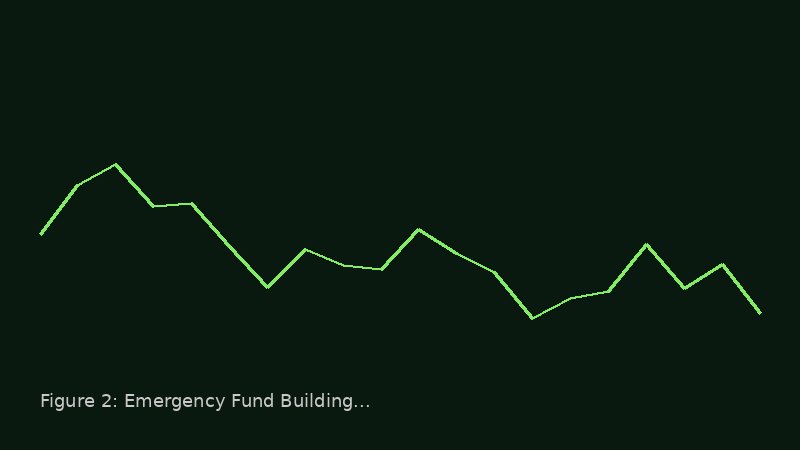
    Building an Emergency Fund - Figure 1

    How Much Should You Save?

    Financial experts generally recommend maintaining 3–6 months of essential living expenses in your emergency fund. However, the ideal amount depends on your personal circumstances:

    • Single, stable employment: 3 months of expenses
    • Married with dependents: 6 months of expenses
    • Self-employed or variable income: 6–12 months
    • Near retirement: 12–24 months (reduced ability to recover from setbacks)

    Emergency Fund Size Recommendations by Employment Type

    Where to Keep Your Emergency Fund

    The primary requirement is liquidity—you need immediate access when emergencies strike. According to Bankrate, the best vehicles include:

    Vehicle Current Yield Liquidity FDIC Insured Best For
    High-Yield Savings 4.5–5.0% Immediate Yes ($250k) Primary emergency fund
    Money Market 4.0–4.5% Check writing Yes Slightly larger expenses
    T-Bills (4-week) 4.3–4.8% Weekly auction US Gov Excess cash
    I Bonds 3.5%+ After 1 year US Gov Long-term inflation hedge

    Step-by-Step Building Strategy

    1. Start with $1,000: This mini emergency fund covers most minor unexpected expenses and prevents credit card reliance
    2. Automate contributions: Set up automatic transfers of 10–20% of take-home pay on payday
    3. Use windfalls wisely: Direct tax refunds, bonuses, and side income to your emergency fund until fully funded
    4. Reduce expenses: Temporarily cut discretionary spending by 15–20% during the building phase
    5. Maintain discipline: Only withdraw for genuine emergencies—define criteria in advance

    Emergency Fund Building Timeline and Milestone Chart

    Common Mistakes

    • Keeping emergency funds in checking accounts earning 0% interest
    • Investing emergency funds in stocks (market downturns often coincide with job loss)
    • Using emergency funds for non-emergencies (vacations, planned expenses)
    • Not rebuilding after withdrawals
    • Confusing emergency funds with sinking funds for predictable expenses

    A properly funded emergency fund is the bridge between financial stability and long-term wealth building. Once established, you can confidently invest for the future, knowing you have a safety net. For related strategies, see our inflation impact analysis and tax optimization guide.

    References & Further Reading

    1. Federal Reserve — Household Economic Well-being Report
    2. Bankrate — High-Yield Savings Account Comparison
    3. Consumer Financial Protection Bureau — Emergency Savings Guidance

    Take action on these insights—explore our Financial Tools or join our community for ongoing discussion.