Category: Cryptocurrency

  • Housing Market Outlook 2025: What Homebuyers and Sellers Need to Know

    Housing Market Outlook 2025: What Homebuyers and Sellers Need to Know

    The U.S. housing market continues to evolve amid shifting mortgage rates, supply constraints, and demographic trends. According to National Association of Realtors, existing home sales have stabilized near 4.1 million units annually, while median prices have reached $420,000—a 5.2% increase year-over-year.
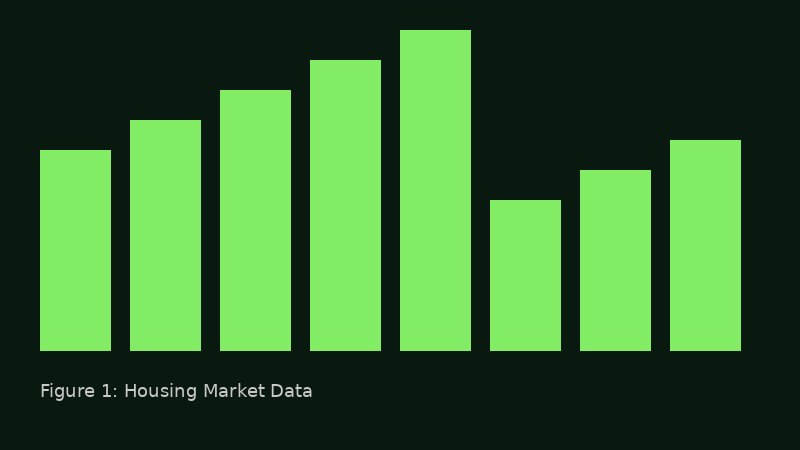
    Housing Market Trends and Mortgage Rate Impact

    Current Market Overview (2025–2026)

    The U.S. housing market is characterized by a persistent supply-demand imbalance. According to Freddie Mac, the 30-year fixed mortgage rate has stabilized near 6.5%, down from the 7.8% peak in late 2023 but well above the sub-3% rates of 2020–2021.

    Market Metric Current 1 Year Ago 5 Years Ago
    Median Home Price $420,000 $399,000 $280,000
    30-Year Mortgage Rate 6.5% 7.2% 3.0%
    Monthly Payment (Median) $2,110 $2,160 $943
    Existing Home Sales 4.1M AR 3.8M AR 5.6M AR
    Months of Supply 3.2 2.9 4.5

    Key Factors Shaping the Market

    Mortgage Rate Outlook

    Most economists expect rates to gradually decline toward 5.5–6.0% by late 2026 as the Fed continues easing. However, persistent inflation and fiscal concerns may keep rates elevated longer than anticipated. As analyzed in our Fed rate impact article, monetary policy is the primary driver of mortgage rates.

    Supply Constraints

    The U.S. faces a housing deficit estimated at 3–5 million units. New construction has increased but remains below the 1.5 million annual starts needed to keep pace with household formation and replacement of aging stock.
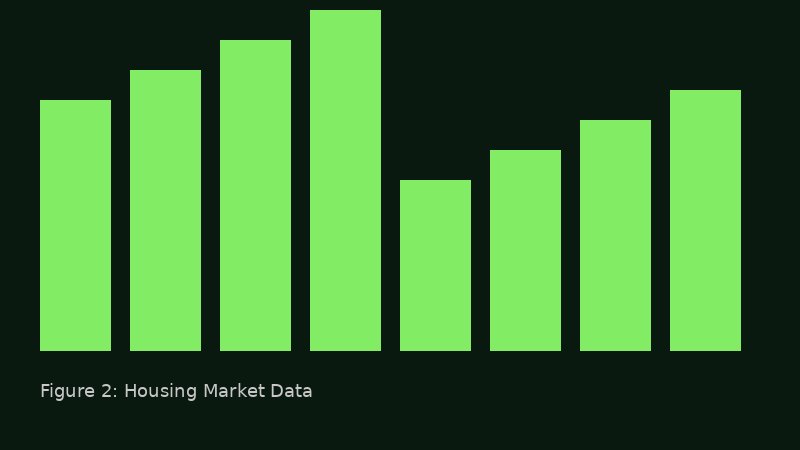
    Housing Affordability Index by Region

    Advice for Buyers and Sellers

    For Buyers

    • Get pre-approved before shopping—sellers require proof of financing
    • Focus on affordability (housing costs <30% of gross income) not timing
    • Consider ARMs if you plan to move within 7 years
    • Don’t wait for rates to drop significantly—refinance later if they do

    For Sellers

    • Price competitively—buyers have more options than in recent years
    • Invest in curb appeal and staging—first impressions matter
    • Consider rate buydowns to help buyers afford your home
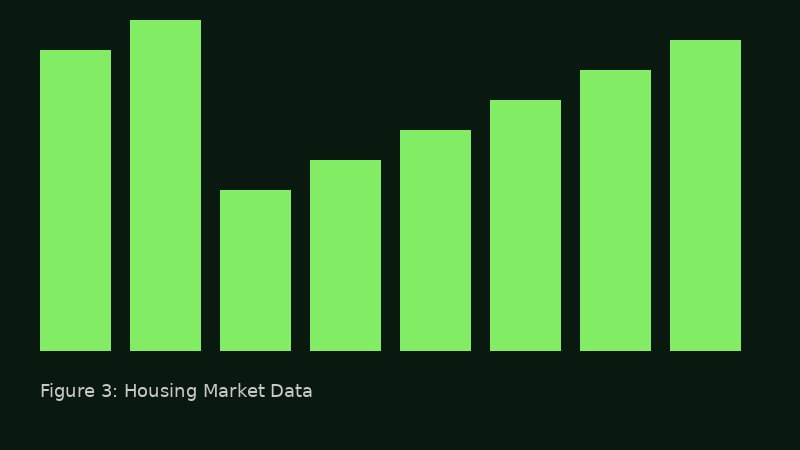
    Home Price Forecast by Metropolitan Area

    Investment Implications

    For real estate investors, the current environment favors rental properties over flipping. Rising mortgage rates have increased the renter pool, supporting rental income growth. REITs may offer better liquidity and diversification than direct property ownership—see our REITs guide for details.

    Risk Warning

    Housing markets are local—national trends may not reflect conditions in your area. Always analyze local supply/demand dynamics, employment trends, and demographic shifts before making real estate decisions. Property investments carry illiquidity risk and concentration risk that differ from financial assets.

    References & Further Reading

    1. National Association of Realtors — Housing Market Data
    2. Freddie Mac — Primary Mortgage Market Survey

    Take the next step—explore our Financial Tools or Learning Center for more in-depth guidance.

  • The Impact of Inflation on Your Investment Returns

    The Impact of Inflation on Your Investment Returns

    Inflation is often called the “silent thief” of investment returns because it erodes purchasing power gradually and invisibly. If your portfolio returns 8% but inflation runs at 3%, your real return is only about 5%. Over a 30-year retirement, this difference can mean hundreds of thousands of dollars in lost purchasing power. Understanding and protecting against inflation is essential for achieving your financial goals.

    The Impact of Inflation on Your Investment Returns - Figure 1

    Real vs. Nominal Returns: The Critical Distinction

    The nominal return is what you see on your statement. The real return—what actually matters—is the nominal return minus inflation. According to Bureau of Labor Statistics data, U.S. inflation has averaged approximately 3.1% annually since 1926.

    Real vs Nominal Investment Returns Over 30 Years

    Asset Class Nominal Return Inflation Real Return Purchasing Power After 30Y
    S&P 500 10.7% 3.1% 7.4% $1 → $8.15
    Long-Term Bonds 5.5% 3.1% 2.3% $1 → $2.00
    Cash/Money Market 4.5% 3.1% 1.4% $1 → $1.52
    Gold 5.2% 3.1% 2.0% $1 → $1.82
    Real Estate 8.5% 3.1% 5.2% $1 → $4.49

    Inflation-Resistant Investment Strategies

    1. TIPS (Treasury Inflation-Protected Securities): Principal adjusts with CPI; guaranteed real return
    2. I Bonds: Currently yielding above 3.5%; $10,000 annual purchase limit per person
    3. Real Estate: Property values and rental income tend to rise with inflation; explore our REITs guide
    4. Commodities: Gold, energy, and agricultural products serve as inflation hedges
    5. Equities with Pricing Power: Companies that can raise prices without losing customers
    6. Short-Duration Bonds: Less sensitive to rate hikes that accompany rising inflation

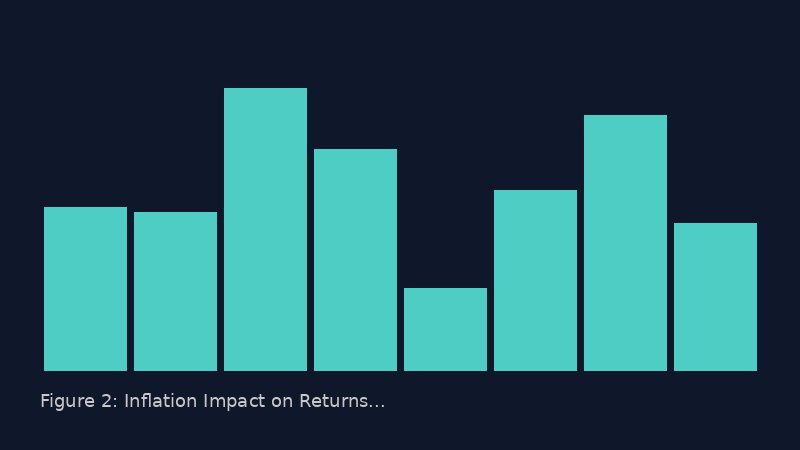
    Inflation Hedging Asset Performance Comparison

    Current Inflation Environment (2026)

    CPI has moderated from the 9.1% peak in June 2022 to approximately 2.8% as of mid-2026. However, services inflation remains sticky above 4%, and shelter costs continue to rise. The Fed’s target of 2% has not been sustainably achieved, suggesting that elevated inflation may persist longer than markets currently price in.

    Risk Warning

    No investment perfectly hedges inflation in all environments. Even TIPS can underperform during periods of rising real yields. Diversification across multiple inflation-sensitive assets provides the most robust protection. As discussed in our Fed rate analysis, monetary policy responses to inflation create additional portfolio risks.

    References & Further Reading

    1. Bureau of Labor Statistics — Consumer Price Index Data
    2. FRED — Inflation and Economic Data
    3. IMF — World Economic Outlook

    Take action on these insights—explore our Financial Tools or join our community for ongoing discussion.

  • Federal Reserve Interest Rate Decision: What It Means for Your Portfolio

    Federal Reserve Interest Rate Decision: What It Means for Your Portfolio

    The Federal Reserve’s interest rate decisions represent one of the most powerful forces shaping global financial markets. Every FOMC meeting has the potential to redirect trillions of dollars across asset classes, affecting everything from your savings account yield to your stock portfolio’s valuation. Understanding how Fed policy impacts your investments is not just academic—it is essential for making informed portfolio decisions.

    Federal Reserve Interest Rate Decision Impact on Financial Markets

    How the Federal Reserve Sets Interest Rates

    The Federal Open Market Committee (FOMC) meets eight times per year to set the target range for the federal funds rate. This rate influences the cost of borrowing throughout the entire economy. According to the Federal Reserve, the fed funds rate serves as the benchmark for short-term interest rates across the financial system.

    The current target rate as of mid-2026 stands at 4.75–5.00%, reflecting the Fed’s ongoing effort to balance inflation control with economic growth support. This follows the aggressive tightening cycle of 2022–2023 and the gradual easing that began in late 2025.

    Impact on Different Asset Classes

    Equities

    When the Fed raises rates, stock valuations face pressure through multiple channels. Higher discount rates reduce the present value of future earnings, particularly affecting growth stocks with distant cash flows. The technology sector, which comprises roughly 30% of the S&P 500, is especially sensitive to rate changes. As we explored in our S&P 500 complete guide, this concentration amplifies the index’s rate sensitivity.

    Interest Rate Impact on Different Asset Classes Bar Chart

    Fixed Income

    Bond prices move inversely to interest rates—a fundamental relationship that every investor must understand. When rates rise by 1%, a bond with a duration of 10 years will decline approximately 10% in price. However, rising rates also mean higher yields for new bond purchases, which benefits long-term income investors.

    Asset Class Rising Rate Impact Falling Rate Impact Sensitivity
    Growth Stocks Negative Positive High
    Value Stocks Mixed Mixed Moderate
    Long-Term Bonds Strongly Negative Strongly Positive Very High
    Short-Term Bonds Slightly Negative Slightly Positive Low
    Real Estate/REITs Negative Positive High
    Gold Mixed Mixed Variable
    Cash/Money Market Positive Negative Low

    Real Estate

    Higher mortgage rates directly reduce housing affordability and slow home price appreciation. The 30-year fixed mortgage rate has moved from historic lows near 2.65% in 2021 to above 6.5% in 2026, fundamentally altering the housing market dynamics. REITs also face pressure as higher borrowing costs compress profit margins.

    What Should Investors Do?

    According to research from BlackRock, the optimal portfolio response to changing rate environments involves several strategic adjustments:

    1. Review Fixed-Income Duration: In a rising rate environment, shorten bond portfolio duration. Consider shifting from long-term bond funds to short-term or floating-rate alternatives.
    2. Emphasize Quality: Focus on companies with strong balance sheets, consistent cash flows, and low debt-to-equity ratios. These firms are better positioned to weather higher borrowing costs.
    3. Maintain Diversification: As discussed in our inflation impact analysis, diversification across asset classes provides resilience against rate-driven market shifts.
    4. Consider Floating-Rate Instruments: Bank loan funds and floating-rate notes adjust their yields as rates change, providing natural hedging.
    5. Evaluate Cash Allocation: Money market funds and high-yield savings accounts now offer meaningful returns—take advantage of this opportunity.

    Portfolio Allocation Strategy Under Different Rate Environments

    Historical Rate Cycles and Market Performance

    Data from FRED (Federal Reserve Economic Data) shows that equity markets have historically performed well during the early stages of rate cutting cycles. The 12-month period following the first rate cut has produced average S&P 500 returns of approximately 15% since 1980.

    Risk Warning

    Interest rate predictions are inherently uncertain. The Fed’s decisions depend on evolving economic data, and markets can move sharply in either direction. Investors should avoid making dramatic portfolio changes based solely on rate expectations and instead focus on maintaining well-diversified, appropriately allocated portfolios aligned with their long-term goals.

    References & Further Reading

    1. Federal Reserve — FOMC Monetary Policy
    2. FRED — Federal Funds Rate Historical Data
    3. BlackRock — Investment Institute Research
    4. IMF — World Economic Outlook

    Stay ahead of Fed decisions—subscribe to our newsletter for real-time market analysis and actionable investment insights.