Tag: ETF

  • Dividend Investing: Building a Passive Income Stream

    Dividend Investing: Building a Passive Income Stream

    Dividend investing provides one of the most reliable paths to building passive income and long-term wealth. According to Hartford Funds research, dividends have contributed approximately 40% of the S&P 500’s total return since 1930, making them a critical component of equity performance.

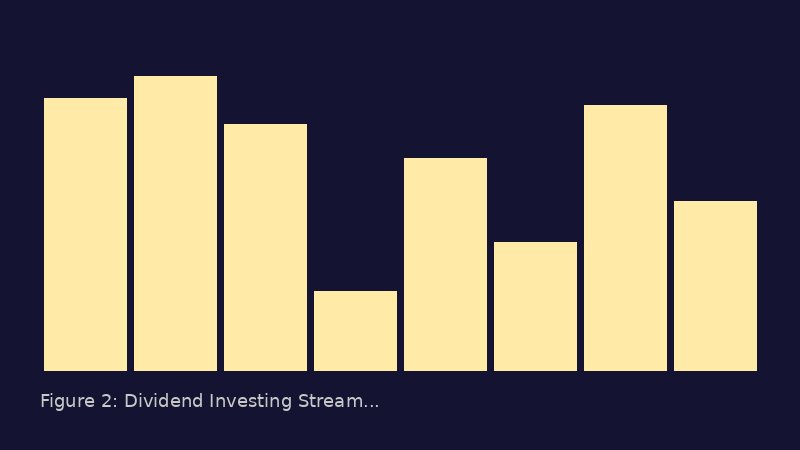
    Dividend Aristocrats Performance and Yield Analysis

    The Power of Dividend Compounding

    Since 1930, dividends have contributed approximately 40% of the S&P 500’s total return. When reinvested, dividends compound dramatically over time. A $10,000 investment in dividend-growing stocks in 1990 would be worth over $200,000 today with dividends reinvested, versus approximately $120,000 without reinvestment.

    Key Dividend Metrics

    Metric Definition Healthy Range Red Flag
    Dividend Yield Annual dividend / Price 2–6% >8% (likely unsustainable)
    Payout Ratio Dividends / Earnings 30–60% >80%
    Dividend Growth Annual increase rate 5–10% <3% or cuts
    Coverage Ratio Free Cash Flow / Dividend >1.5x <1.2x

    Dividend Aristocrats and Kings

    Dividend Aristocrats are S&P 500 companies that have increased dividends for 25+ consecutive years. Dividend Kings have raised dividends for 50+ years. These companies demonstrate exceptional financial resilience and shareholder commitment. Notable examples include Johnson & Johnson (62 years), Coca-Cola (62 years), and Procter & Gamble (68 years).

    Dividend Growth vs High Yield Strategy Comparison

    Dividend Growth vs. High Yield Strategy

    Investors face a fundamental choice between current income (high yield) and growing income (dividend growth). High-yield strategies provide more income today but carry reinvestment risk and sustainability concerns. Dividend growth strategies start with lower yields but produce substantially higher income over time.

    Tax Treatment of Qualified vs Non-Qualified Dividends

    Tax Optimization for Dividend Investors

    Qualified dividends are taxed at preferential capital gains rates (0%, 15%, or 20%), while non-qualified dividends face ordinary income tax rates. Place high-yield, non-qualified dividend payers in tax-advantaged accounts and qualified dividend stocks in taxable accounts for maximum tax efficiency. See our tax optimization guide for more strategies.

    Risk Warning

    Dividend cuts are devastating—both financially and psychologically. During the 2008–2009 financial crisis, S&P 500 dividend cuts exceeded $60 billion. Always evaluate dividend sustainability through payout ratios, cash flow coverage, and business fundamentals rather than chasing the highest yields.

    References & Further Reading

    1. Hartford Funds — Dividend Research
    2. S&P Dow Jones — Dividend Aristocrats Index

    Take the next step—explore our Financial Tools or Learning Center for more in-depth guidance.

  • Dollar-Cost Averaging: Why Timing the Market Does Not Work

    Dollar-Cost Averaging: Why Timing the Market Does Not Work

    Dollar-cost averaging (DCA) is the practice of investing a fixed dollar amount at regular intervals, regardless of market conditions. Research consistently demonstrates that this simple, disciplined approach outperforms market-timing attempts for the vast majority of investors. According to a landmark study by Putnam Investments, investors who stayed fully invested from 2006–2020 earned 10.8% annually, while the average timing investor earned just 5.4%.

    Dollar-Cost Averaging: Why Timing the Market Does Not Work - Figure 1

    The Mathematics of Dollar-Cost Averaging

    When you invest a fixed amount regularly, you automatically buy more shares when prices are low and fewer shares when prices are high. This reduces your average cost per share below the average market price during the investment period—a mathematical certainty, not just a theory.

    Dollar-Cost Averaging vs Lump Sum Investment Comparison

    DCA vs. Lump Sum: What Does Research Show?

    A comprehensive study by Vanguard analyzing data across multiple markets and time periods found that lump-sum investing outperforms DCA approximately 68% of the time in rising markets. However, DCA significantly reduces the risk of investing all capital at a market peak and provides psychological benefits that help investors stay the course.

    Strategy Avg. Return Max Drawdown Success Rate Best For
    Lump Sum Higher (68%) Worst-case 68% of periods Windfalls, risk-tolerant
    DCA (6 months) Slightly lower Reduced 32% of periods Regular income, cautious
    DCA (12 months) Lower Most reduced ~25% of periods Very risk-averse

    Best Practices for DCA

    1. Automate everything: Set up automatic contributions on payday—remove emotion from the process
    2. Stay consistent: Continue investing during market downturns—this is when DCA provides the greatest benefit
    3. Combine with rebalancing: Periodic rebalancing naturally implements a “buy low, sell high” discipline
    4. Increase over time: Raise contributions annually with salary increases (at least 1% per year)
    5. Choose low-cost index funds: Minimize expense ratios to maximize the compounding benefit

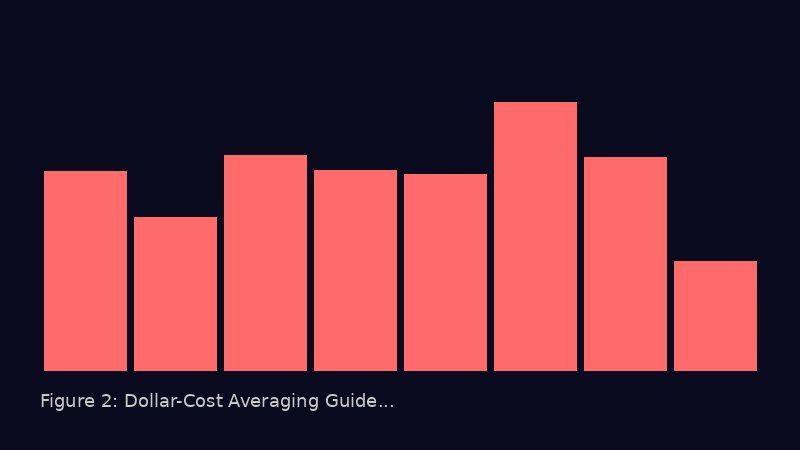
    DCA Performance During Market Downturns and Recoveries

    The Behavioral Advantage

    Perhaps DCA’s greatest benefit is behavioral. By automating investments, you avoid the paralyzing fear of investing at “the wrong time” and the temptation to time the market. As explored in our psychology of investing article, behavioral biases destroy more wealth than market crashes. DCA provides a systematic defense against these biases.

    References & Further Reading

    1. Vanguard Research — DCA vs Lump Sum Study
    2. Putnam Investments — Investor Behavior Study
    3. Morningstar — Investor Return Gap Analysis

    Take action on these insights—explore our Financial Tools or join our community for ongoing discussion.

  • Understanding the S&P 500: A Complete Guide for Beginners

    Understanding the S&P 500: A Complete Guide for Beginners

    The S&P 500 is one of the most widely followed stock market indices in the world, serving as the primary benchmark for U.S. large-cap equities. Whether you are a seasoned investor or just beginning your financial journey, understanding how this index works is fundamental to building a well-diversified portfolio. In this comprehensive guide, we will explore the history, composition, performance characteristics, and practical investment strategies related to the S&P 500.

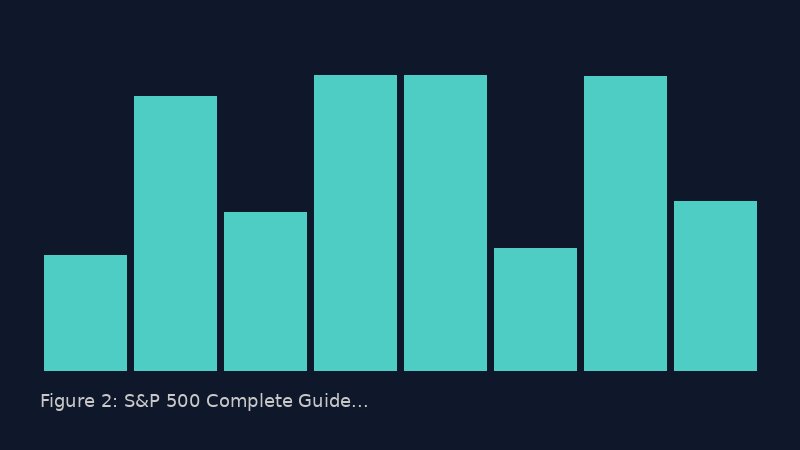
    S&P 500 Historical Performance Chart Showing Long-term Growth Trend

    What Is the S&P 500?

    The S&P 500, formally known as the Standard & Poor’s 500, is a market-capitalization-weighted index that tracks the performance of 500 leading companies listed on U.S. stock exchanges. Maintained by S&P Dow Jones Indices, it represents approximately 80% of the total U.S. equity market capitalization, making it the most representative gauge of American large-cap stocks.

    Unlike the Dow Jones Industrial Average, which is price-weighted and includes only 30 companies, the S&P 500 provides broader market exposure and is calculated using a float-adjusted market-cap methodology. This means that only shares available for public trading (free float) are counted, providing a more accurate reflection of investable market value.

    Historical Performance and Key Statistics

    According to data from Macrotrends, the S&P 500 has delivered an average annual return of approximately 10.7% before inflation and 7.4% after inflation since its inception in 1957. These returns have been remarkably consistent over long time horizons, despite significant short-term volatility.
    S&P 500 Sector Allocation Breakdown by Market Capitalization
    MetricValuePeriod
    Average Annual Return10.7%1957–2025
    Real Return (After Inflation)7.4%1957–2025
    Best Year+54.0%1954
    Worst Year-43.3%1931
    Average P/E Ratio16.5xHistorical
    Current Dividend Yield1.3%June 2026

    How to Invest in the S&P 500

    There are several ways to gain exposure to the S&P 500, each with distinct advantages. For most individual investors, low-cost index funds and ETFs represent the most efficient approach. As we discussed in our guide on dollar-cost averaging, consistent periodic investments in broad market indices have historically outperformed most active management strategies.

    Index Funds vs. ETFs

    Both index mutual funds and ETFs track the S&P 500, but they differ in trading mechanics and tax efficiency:

    • Vanguard 500 Index Fund (VFIAX) — Expense ratio: 0.04%, minimum investment: $3,000
    • SPDR S&P 500 ETF (SPY) — Expense ratio: 0.09%, trades like a stock throughout the day
    • iShares Core S&P 500 ETF (IVV) — Expense ratio: 0.03%, strong liquidity
    • Vanguard S&P 500 ETF (VOO) — Expense ratio: 0.03%, popular among long-term investors

    According to Morningstar, the average expense ratio for S&P 500 index funds has declined to just 0.05% as of 2025, making passive investing more cost-effective than ever.
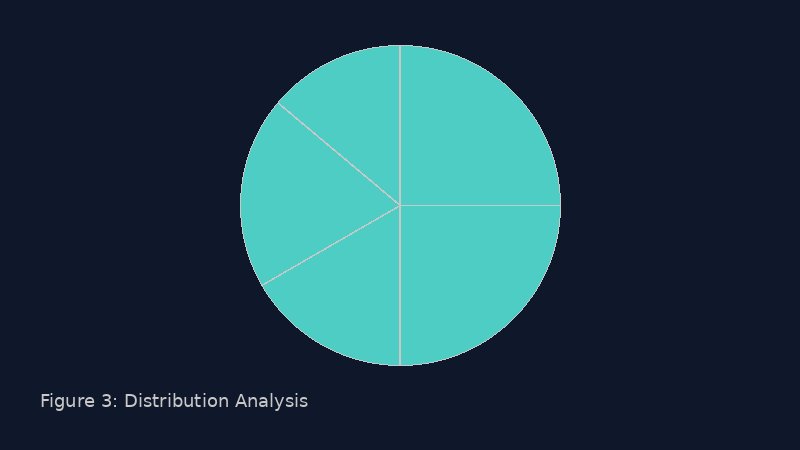
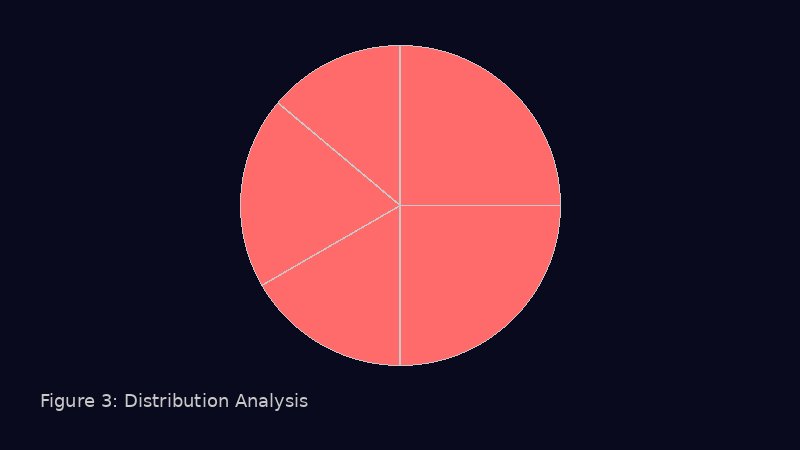
    S&P 500 Asset Allocation Distribution Pie Chart

    Current Market Environment (2026)

    As of June 2026, the S&P 500 trades at a forward P/E ratio of approximately 21x, slightly above the historical average of 16.5x. The technology sector continues to dominate, representing roughly 30% of the index weight. Key factors influencing the current market include Federal Reserve monetary policy, AI-driven corporate earnings growth, and geopolitical uncertainties.

    For investors concerned about valuations, our analysis of inflation’s impact on returns provides important context for understanding real vs. nominal performance in the current environment.

    Risk Factors and Considerations

    While the S&P 500 has been an excellent long-term investment, investors should be aware of several risks:

    1. Market Concentration: The top 10 holdings represent over 35% of the index, creating concentration risk
    2. Valuation Risk: Current P/E ratios are elevated relative to historical norms
    3. Sector Imbalance: Technology overweight may amplify drawdowns during sector rotations
    4. Drawdown Risk: Historical maximum drawdown exceeded 50% during the 2008 financial crisis

    Practical Recommendations

    Based on our analysis, we recommend the following approach for S&P 500 investors:

    • Allocate 40–60% of your equity portfolio to S&P 500 index funds
    • Complement with international diversification (see our portfolio construction guide)
    • Use dollar-cost averaging for new investments
    • Rebalance annually to maintain target allocations
    • Keep investment costs below 0.10% when possible

    Conclusion

    The S&P 500 remains the gold standard for U.S. equity investing. Its broad diversification, low-cost accessibility, and consistent long-term returns make it an essential component of any investment portfolio. However, investors must remain mindful of concentration risk and valuation levels, particularly in the current elevated market environment.

    Disclaimer: This article is for informational purposes only and does not constitute investment advice. Past performance is not indicative of future results. Always consult a qualified financial advisor before making investment decisions.

    References & Further Reading

    1. S&P Dow Jones Indices — S&P 500 Methodology
    2. Macrotrends — S&P 500 Historical P/E Ratio Data
    3. Morningstar — Fund and ETF Research
    4. Bureau of Labor Statistics — Consumer Price Index Data
    5. Federal Reserve Economic Data (FRED) — Market and Economic Indicators

    Subscribe to our newsletter below for weekly market analysis and investment insights delivered directly to your inbox.