How to Have a Difficult Conversation
Prepare the specific issue instead of the verdict, choose a moment when neither of you is cornered, and say one clear thing before you let the other person answer. Most difficult conversations fail before they start, not during.

Co-authored by:
Hana Stein
Couples & Family Mediator
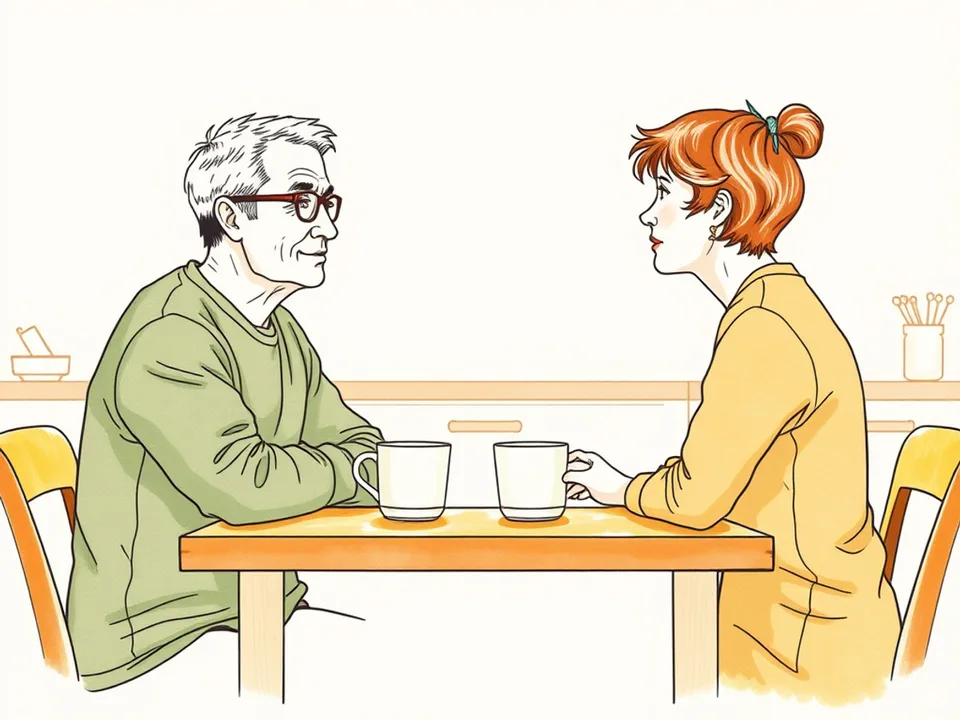
Steps
3 methods · 12 steps · 12 illustrationsPart 1 of 3
Preparing Before You Speak
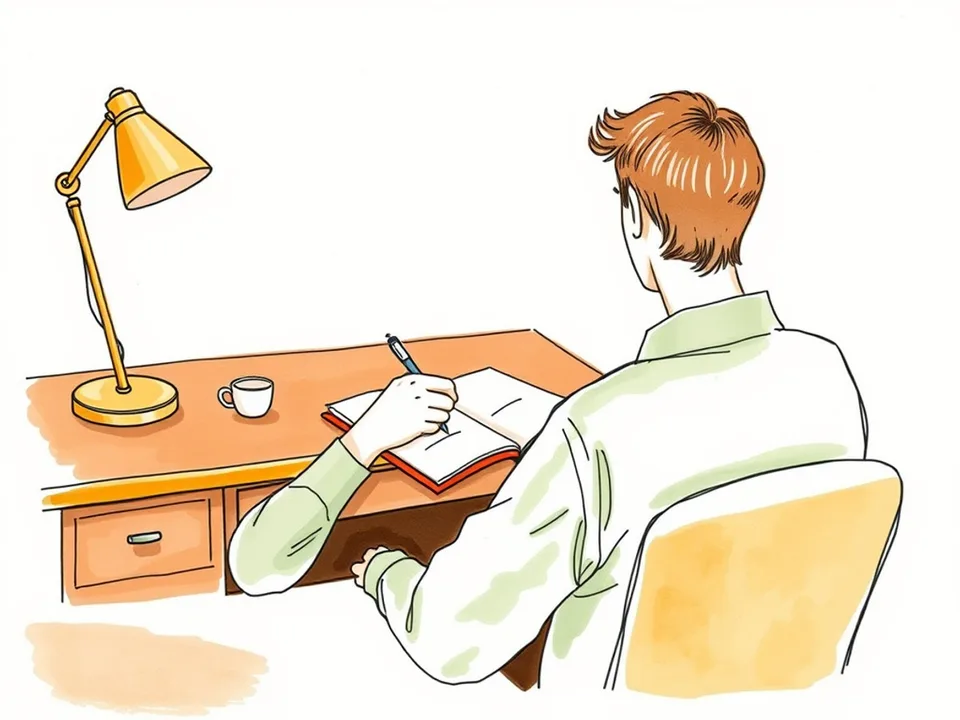 Step 1 / 12
Step 1 of 12: Decide what you actually want from the conversation 1Decide what you actually want from the conversation
Before you open your mouth, be honest about the goal. Do you want the behaviour to change, do you want to be understood, do you want information, or do you want to end something? Those need different approaches, and wanting two of them at once is the usual reason a conversation goes sideways. Write the goal in one short sentence and keep it in front of you while you talk.
Tip: If your goal is 'to be understood', you can afford to go slowly. If it is 'to change a specific arrangement', you need a concrete ask, which is step nine.
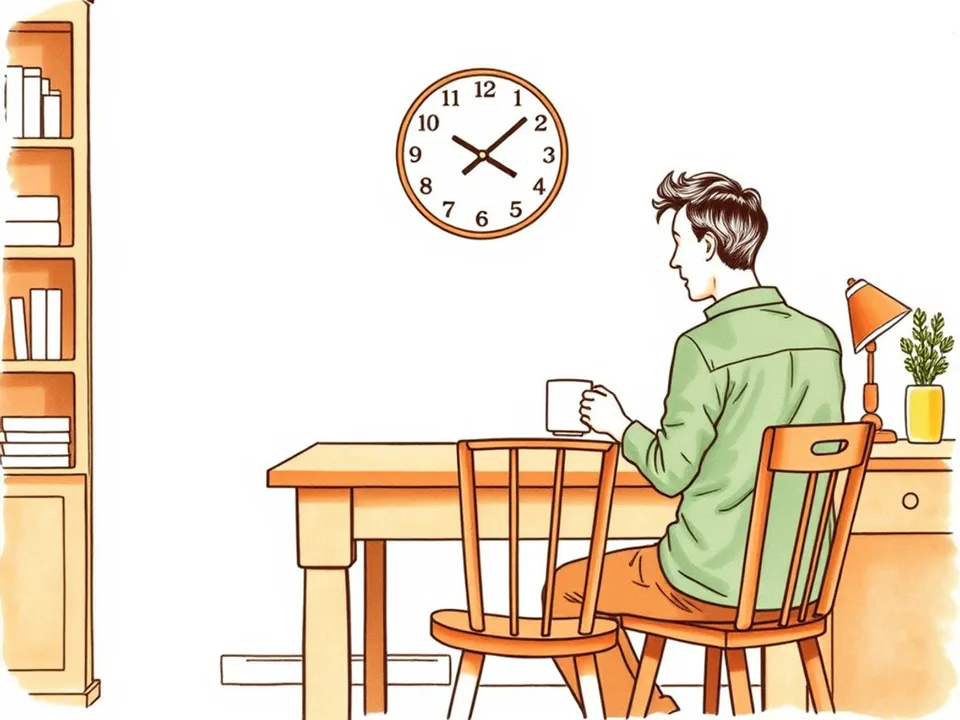 Step 2 / 12
Step 2 of 12: Choose a moment when neither of you is cornered 2Choose a moment when neither of you is cornered
A difficult conversation needs a beginning, a middle, and enough time to finish. Ten minutes before someone leaves for work, or half an hour after a long day when one of you is hungry, are the two worst slots and the two most common choices. Ask for the conversation rather than starting it: 'I would like to talk about something on Friday morning, is that all right?' gives the other person a chance to prepare instead of being ambushed.
Tip: If you cannot find a calm window in the week you have, the timing is the problem, not the topic. Move the conversation, not the argument.
 Step 3 / 12
Step 3 of 12: Name the behaviour, not the character 3Name the behaviour, not the character
Write down one or two specific things that happened, with dates if you can. 'You did not tell me about the repair bill until it was overdue' is workable. 'You are irresponsible with money' is not, because it describes who they are and gives them nothing to agree to. People argue with a verdict and negotiate with a fact, and almost every escalation I have watched started when a specific incident turned into a general accusation.
Tip: If you can only describe the issue in character terms, you are probably still angry rather than ready. That is a valid reason to wait a few days.
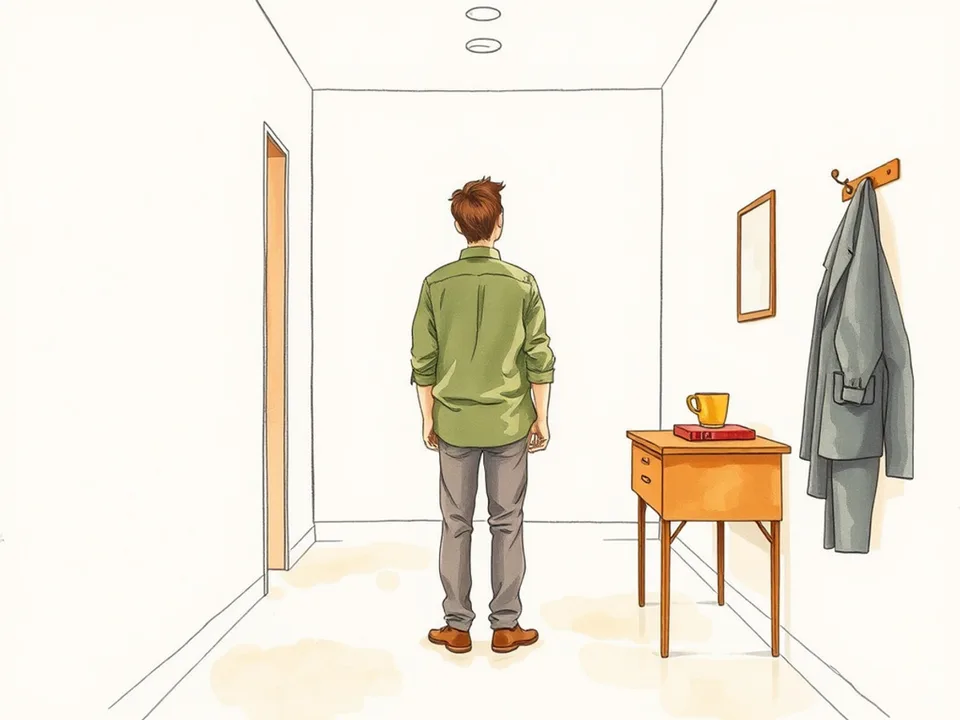 Step 4 / 12
Step 4 of 12: Predict their answer and rehearse your opening 4Predict their answer and rehearse your opening
Write the two or three things you expect them to say, including the version that stings most, and decide how you will respond to each. Then say your first two sentences out loud, alone, until you can get them out without your voice tightening. Rehearsal is not about scripting the whole conversation; it is about surviving the opening, which is where most people lose their footing and reach for blame.
Tip: Expecting a reasonable answer from someone who is also tired and defensive sets both of you up to fail. Prepare for the version you actually got last time.
Part 2 of 3
Having the Conversation
 Step 5 / 12
Step 5 of 12: Open with the relationship, not the complaint 5Open with the relationship, not the complaint
Start by stating something true about the relationship and why you are raising this at all: 'This matters because I want to keep living with you and not be resentful.' It sounds obvious, and it changes the whole conversation, because the first sentence tells the other person whether they are being invited or indicted. Then say your one specific thing and stop.
Tip: Do not open with 'we need to talk' and then go silent. That is a threat, not an opening, and it costs you the next twenty minutes.
 Step 6 / 12
Step 6 of 12: Give one example, then stop talking 6Give one example, then stop talking
Say the specific incident once, plainly, without adding the three other examples you have been collecting. Piling on is the fastest way to turn a solvable complaint into a defence of an entire character, and it hands the other person an escape route: the argument becomes about which example is fair rather than about what you need. After one example, stop and let the silence sit.
Tip: If you notice yourself reaching for 'and you also did', that is the signal the conversation is slipping into score-keeping.
 Step 7 / 12
Step 7 of 12: Let them finish, then say back what you heard 7Let them finish, then say back what you heard
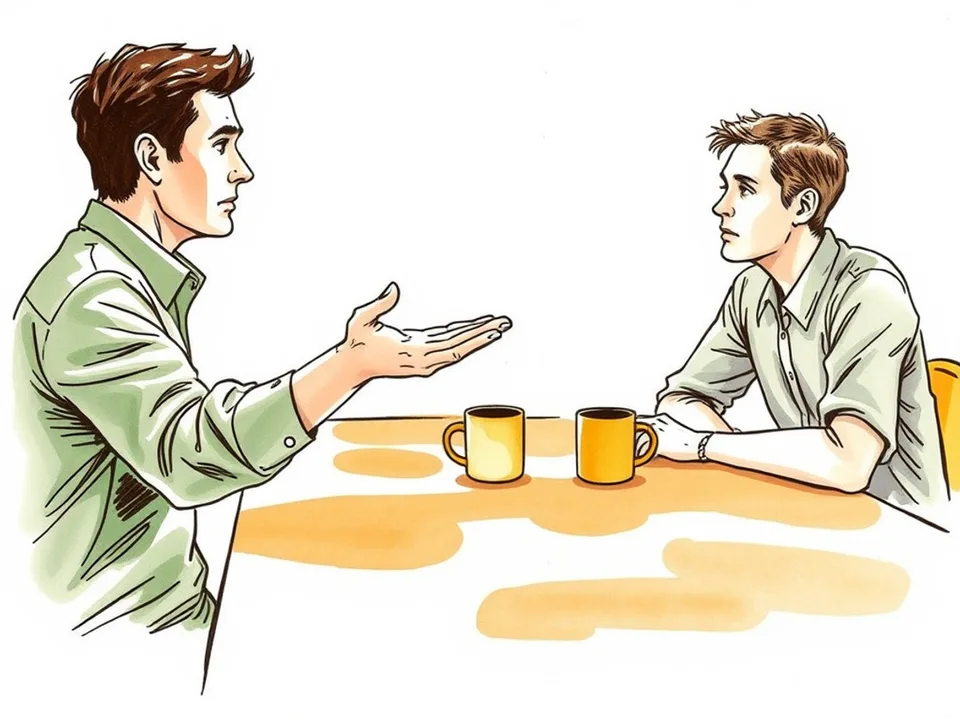
They will answer, and the answer may be wrong, unfair, or hurtful. Let them complete the thought before you respond, then reflect it back in their terms rather than yours: 'So you are saying you did not tell me because you thought you could handle it yourself.' This is not agreement. It proves you were listening, and it makes it much harder for the exchange to become two monologues. It also usually softens them, because being accurately summarised is rare.
Tip: If you cannot repeat their position in a way they accept, you are not ready to respond to it yet.
 Step 8 / 12
Step 8 of 12: Make one clear request, not a list of demands 8Make one clear request, not a list of demands
Ask for something specific, small enough to be possible this week, and something you are willing to accept a negotiation about. 'Can you tell me within a day when a bill comes in that you cannot cover?' is a request. 'You need to be more responsible' is not actionable, and 'never again hide anything about money ever' reads as a demand and invites surrender rather than cooperation. Ask one thing and let them shape how to do it.
Tip: Requests that include how you will change too are far more likely to be accepted. Name your part honestly, not as a tactic.
Part 3 of 3
Landing It and Following Through
 Step 9 / 12
Step 9 of 12: Agree on one concrete next step 9Agree on one concrete next step
End with something that has a date and a form: who does what, by when, and how you will both know it happened. A conversation that produces no agreement usually produces a repeat of the same issue in three weeks, with added resentment. If you cannot agree on the big thing, agree on the small one. 'We look at the joint account on the first Sunday of the month' is a real outcome even if the underlying disagreement is not resolved.
Tip: Say the agreement back out loud before you finish. People remember the feeling of a conversation and misremember its terms.
 Step 10 / 12
Step 10 of 12: Take a break if it escalates, and name when you return 10Take a break if it escalates, and name when you return
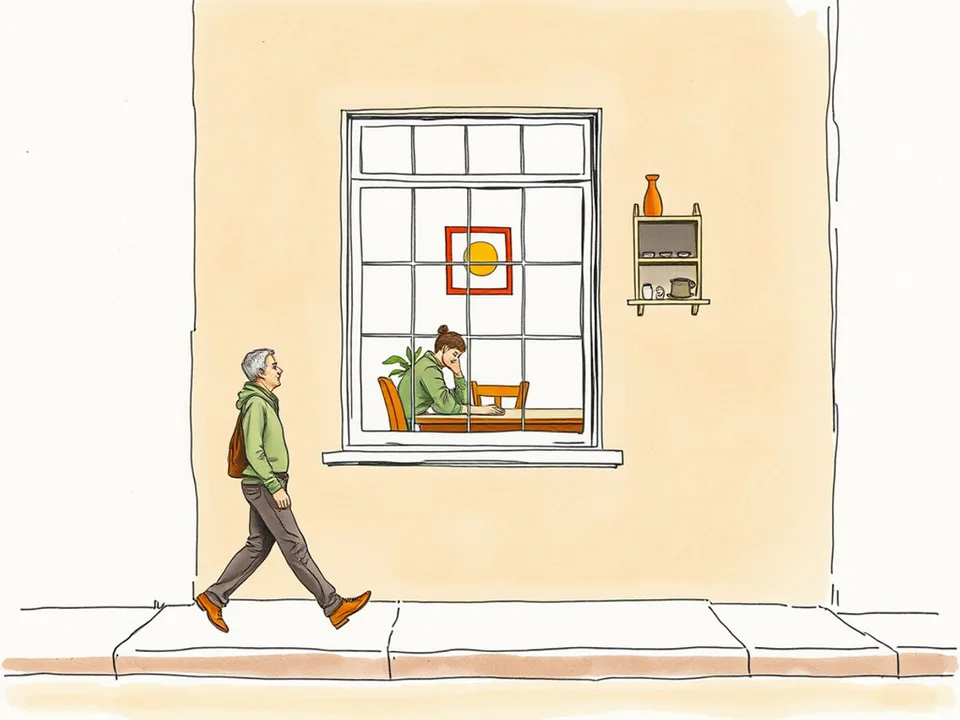
When voices rise or one of you goes quiet and hard, the conversation has stopped being useful. Call it and pause: 'I am getting too heated to be fair, can we pick this up in an hour?' A break without a return time feels like abandonment and does more damage than the argument. A break with a specific return keeps the issue open and lets both nervous systems settle.
Tip: Twenty minutes is usually the minimum for the physical side of anger to drop. Use it apart rather than sitting in the same room stewing.
 Step 11 / 12
Step 11 of 12: Do the thing you promised, in front of them 11Do the thing you promised, in front of them
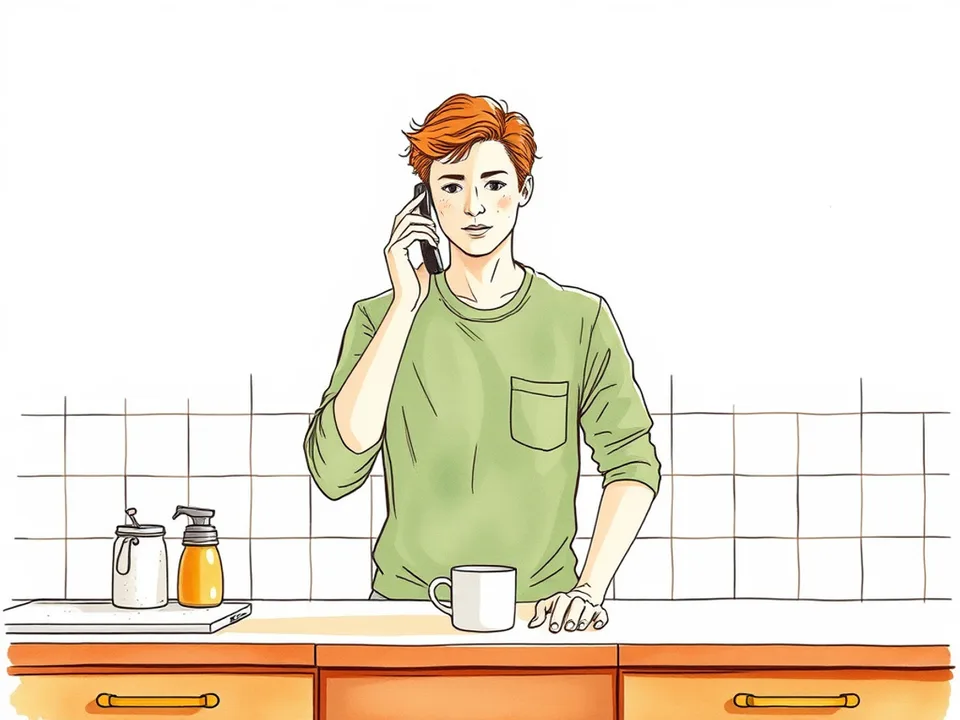
The follow-through is the part that builds or destroys trust, and it happens after the conversation is over and nobody is watching. If you said you would bring the issue up within a day instead of letting it build, do it once, visibly, and mention that you are doing it. Small kept promises change what the next difficult conversation feels like, because the other person now has evidence rather than hope.
Tip: Keep your own promise even if they have not kept theirs yet. That is not conceding; it is what makes the agreement testable.
 Step 12 / 12
Step 12 of 12: Recognise when to stop trying alone 12Recognise when to stop trying alone
If the same conversation has happened four times with the same result, if either of you has stopped expecting anything to change, or if the discussion reliably turns into contempt or silence, more effort in the same shape will not fix it. A mediator or counsellor changes the process rather than the people, which is often what is actually missing. Individual counselling is also a reasonable first move when you cannot tell whether the problem is the relationship or your own pattern.
Tip: Seek support sooner rather than later if there is any intimidation, or if you find yourself editing what you say to avoid a reaction. Those are not communication problems to be solved with better phrasing.
Tips
- Say the hard thing in the first ninety seconds. Long wind-ups read as bad news and trigger defence early.
- Face the issue side by side rather than square on; a walk or a drive often gets more honesty than a kitchen table.
- Deal with one issue per conversation. The second one is real, and it will get its turn.
- If you have not slept or eaten, postpone. Physiology is doing more work in the conversation than you think.
Warnings
- Do not have this conversation over text when the topic involves money, commitment, or a breach of trust; tone is lost and both of you reread it at your worst.
- Do not bring up a private thing the other person told you in confidence as evidence in an argument.
- If the pattern includes fear, intimidation, or control, this is a safety issue rather than a communication issue. Contact a domestic violence helpline before confronting them.
- Do not use a difficult conversation to announce an ultimatum you have already decided on. Say the decision plainly instead.
Community Q&A
What if they refuse to have the conversation?+
Say once, plainly, that you would like to talk and ask when suits them. If they keep postponing, the refusal is the answer to a different question, and the useful conversation becomes about that pattern rather than the original issue.
How do I start without sounding accusatory?+
Lead with the effect on you and one specific incident, then ask for their view. 'When the repair bill arrived overdue and I had not heard about it, I felt blindsided. What was going on for you?' is hard to hear as an attack.
Should I wait until I am calm?+
Wait until you can speak a full sentence without your voice rising, not until you feel nothing. Waiting for total calm usually means never, and the issue keeps growing while you wait.
What if it goes badly?+
A badly handled conversation is still information, and it is recoverable if you name it afterwards: 'I did that badly. Can I try again tomorrow?' Ending with a repair attempt is a better outcome than a perfect conversation you never had.
How often should we revisit the issue?+
Once you have an agreement, check in on the agreement rather than reopening the argument. A monthly check on a specific arrangement usually replaces the difficult conversation entirely.
References
- Gottman Institute. “How to have a difficult conversation.” 2023.
- Harvard Program on Negotiation. “Seven steps to effective communication.” Negotiation Materials. 2023.
- U.S. Substance Abuse and Mental Health Services Administration. “Tips for helping to prevent conflict and violence.” 2023.
- Relate (UK relationship counselling charity). “Communication in relationships.” 2024.
Related on Howly
About This Article
Written by Site Admin. A subject-matter reviewer checked the steps before publication. Last updated Oct 29, 2026. 28,931 readers have viewed this guide.
93% of readers found this article helpful.
361 votes - 93%
Click a star to add your vote
Nina P.
Oct 26, 2026
“I wrote the specific incident down and left the four other examples in the notebook. It took eleven minutes instead of the two hours our last argument took, and we actually agreed something.”