How to Start Running When You Hate Running
Most people quit running because they start too fast, too far, and too often. Walking first, running slowly, and measuring sessions instead of pace will get you further than motivation ever will.

Co-authored by:
Tomas Ferreira
Running Coach
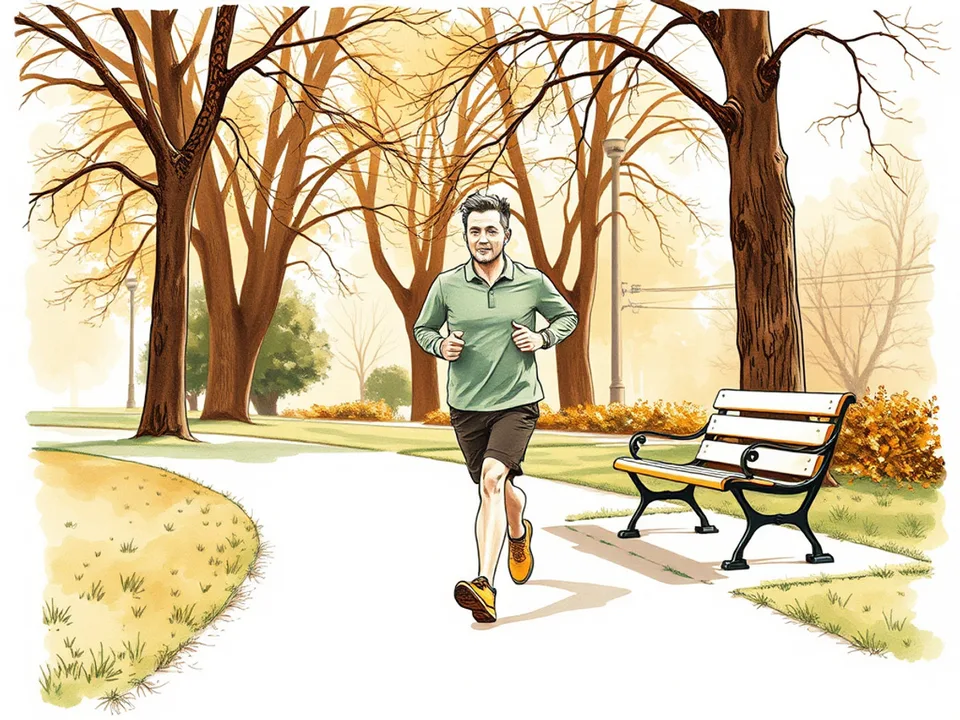
Steps
3 methods · 12 steps · 12 illustrationsPart 1 of 3
Making It Tolerable
 Step 1 / 12
Step 1 of 12: Separate discomfort from pain before you start 1Separate discomfort from pain before you start
Ordinary discomfort is breathlessness, heat, and heavy legs that ease when you slow down. Pain is sharp, one-sided, or in a joint, and it does not ease. If you have pain, or a history of heart or joint problems, see a clinician before starting. If you have discomfort, you can proceed, carefully.
Tip: A rule that works: if it hurts more when you push, stop. If it eases when you slow, you were simply too fast.
 Step 2 / 12
Step 2 of 12: Start with run-walk intervals, not with running 2Start with run-walk intervals, not with running
Run for one minute, walk for two, repeat eight times. That is a session. It looks unimpressive and it is how nearly every beginner should start, because it keeps you below the effort level that makes running feel like punishment. Build to two minutes running and one walking before you attempt continuous running.
Tip: Weeks one to three are intervals. If you skip them, you will spend week four injured or discouraged.
 Step 3 / 12
Step 3 of 12: Slow down until you can speak in full sentences 3Slow down until you can speak in full sentences
Most beginners run at a pace that is too hard to sustain, because walking feels like failure and they compensate by pushing. Run at a pace where you could hold a conversation, or breathe through your nose. It will feel absurdly slow, and it is the pace that lets you come back three days later.
Tip: If you cannot say a sentence out loud, slow down or walk. There is no prize for the pace.
 Step 4 / 12
Step 4 of 12: Choose a route with exits 4Choose a route with exits
Pick a loop you can shorten, near a bench, public transport, or home. Having an exit makes starting easier and prevents the trap of a linear route where the only way back is the same distance again. Boring routes you can repeat beat scenic routes you avoid.
Tip: A two-kilometre loop repeated is better than a ten-kilometre route attempted once.
Part 2 of 3
Building the Habit
 Step 5 / 12
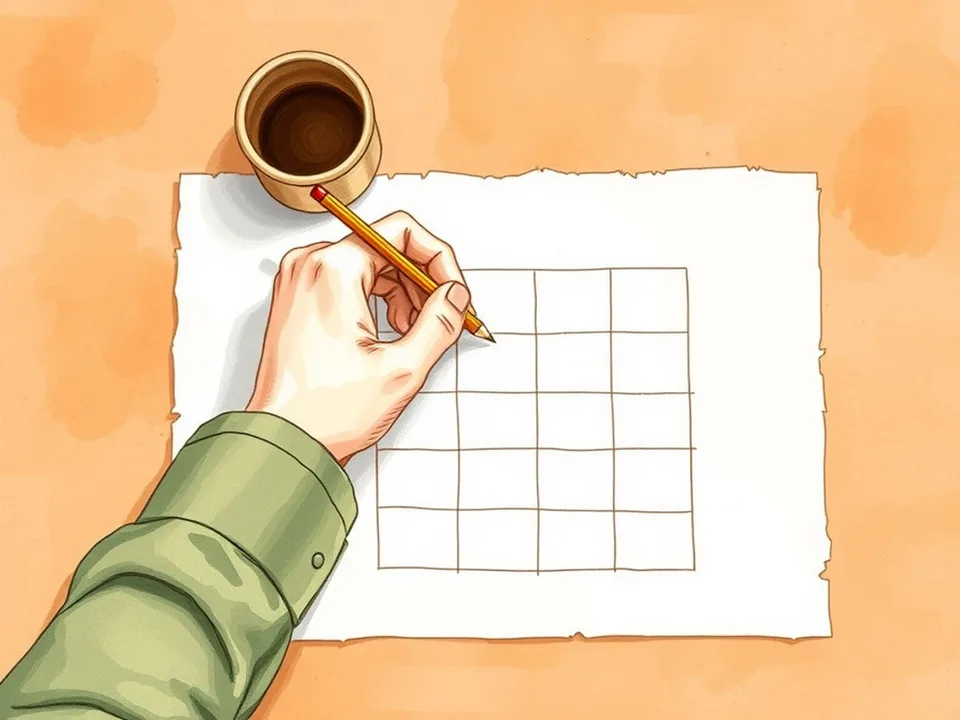
Step 5 of 12: Run three times a week on fixed days 5Run three times a week on fixed days
Three sessions, ideally on the same days, with rest days between. Consistency matters more than duration at this stage, and fixed days remove the daily negotiation about whether today is a running day. Two days is enough to maintain; three is enough to improve slowly.
Tip: Put the sessions in a calendar with a start time. An appointment survives a mood; an intention does not.
 Step 6 / 12
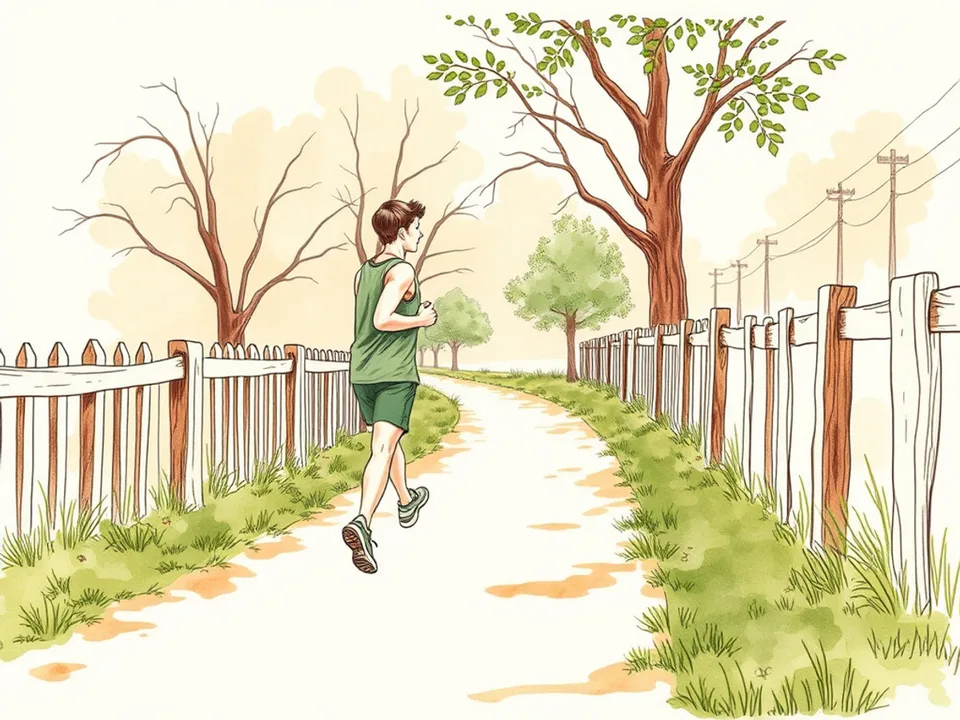
Step 6 of 12: Increase time by ten percent, not distance 6Increase time by ten percent, not distance
Add roughly ten percent to your weekly time every one or two weeks, and hold it there for a while before adding more. Distance increases faster than your joints adapt, and the injuries that end beginner running careers are almost always from ramping volume too quickly.
Tip: If a week feels hard, repeat the same week instead of increasing. Repeating is progress, not failure.
 Step 7 / 12
Step 7 of 12: Have a bad-weather and bad-week plan 7Have a bad-weather and bad-week plan
Decide in advance what happens when it rains, when you are travelling, and when you are exhausted: a shorter loop, an indoor session, a brisk walk. A plan with a smaller version keeps the habit alive on the days the full version is impossible.
Tip: The minimum session that counts is ten minutes. Anything above zero protects the habit.
 Step 8 / 12
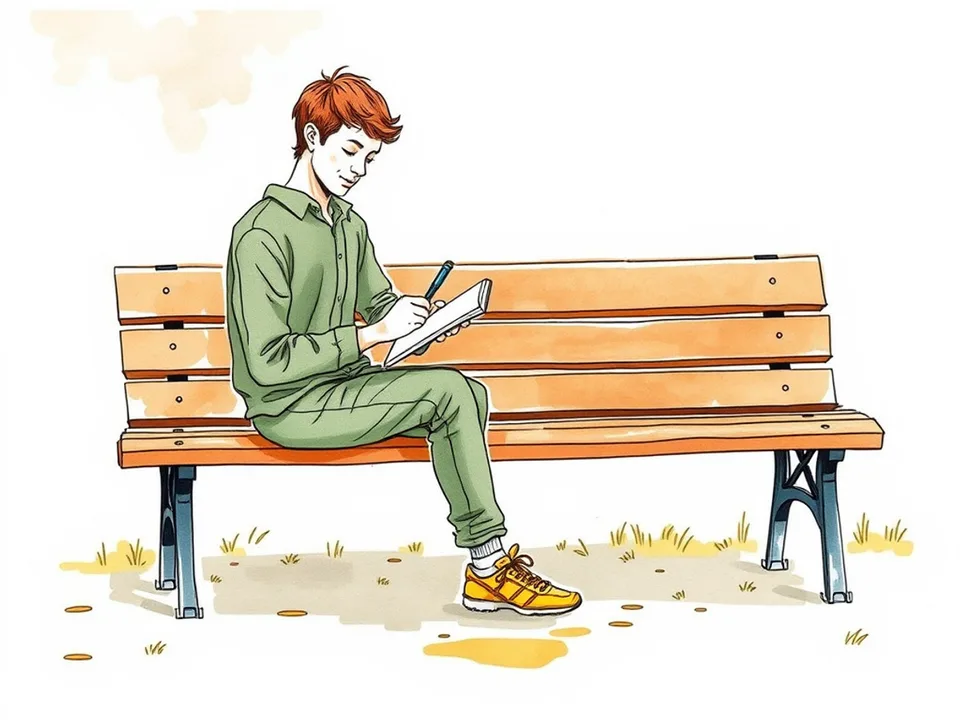
Step 8 of 12: Measure effort, not pace 8Measure effort, not pace
For the first two months, track whether a session felt easy, moderate, or hard, and count sessions completed. Pace improves as a side effect and is a terrible daily measure for beginners, because it fluctuates with sleep, weather, and caffeine.
Tip: Write one line after each run. Three easy weeks in a row is a real result.
Part 3 of 3
Not Quitting
 Step 9 / 12
Step 9 of 12: Enter a short event eight to ten weeks out 9Enter a short event eight to ten weeks out
A 5K or a charity walk-run gives the sessions a direction and makes the habit social. Register early, tell people, and choose an event where walking is normal. The point is not the time; it is having a date that makes the ordinary Tuesday session matter.
Tip: Pick an event you can reach without a flight. Logistics are where enthusiasm dies.
 Step 10 / 12
Step 10 of 12: Expect the three-week dip 10Expect the three-week dip
Novelty fades around week three or four, before fitness feels real. This is normal and it passes. Reduce the session to a ten-minute run-walk for one week rather than stopping entirely, and keep the appointment with yourself.
Tip: The dip is a scheduling problem, not evidence that you are not a runner.
 Step 11 / 12
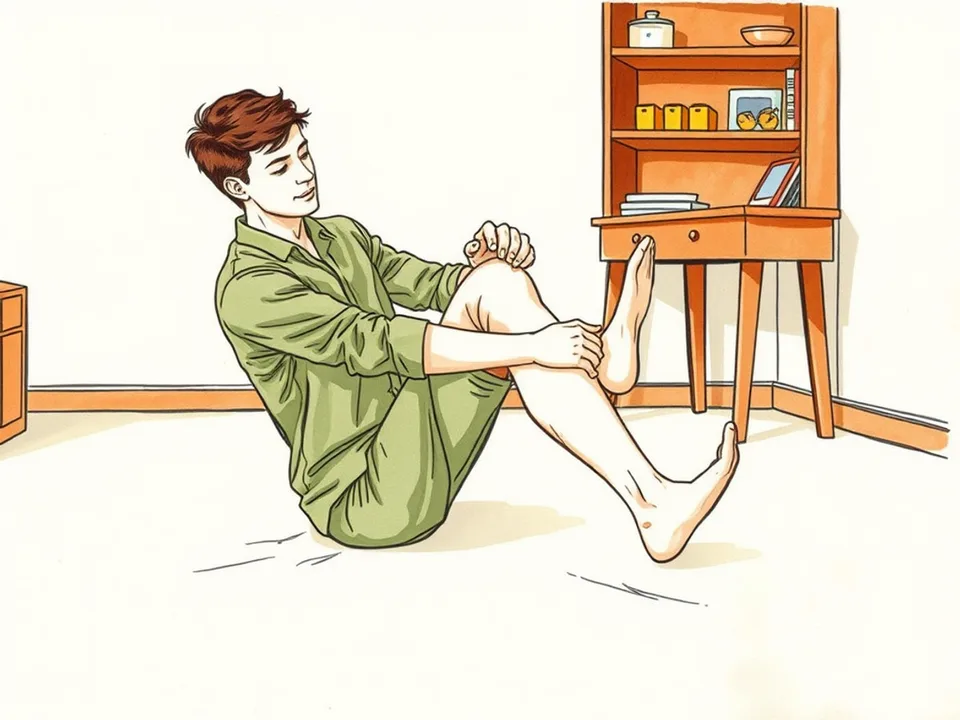
Step 11 of 12: Learn the 48-hour rule for soreness 11Learn the 48-hour rule for soreness
Normal muscle soreness fades within 48 hours and moves around. Pain that is sharp, one-sided, or still there after two days is a reason to rest and, if it persists, to see a physiotherapist. Running through joint pain is how a two-week problem becomes a six-month one.
Tip: If you are limping, you are not running. Walk home.
 Step 12 / 12
Step 12 of 12: Plan the restart before you need it 12Plan the restart before you need it
You will miss a week, then two, and the temptation is to restart where you left off. Do not. Restart at roughly half your previous weekly time and rebuild for two weeks. A planned restart is a normal part of training; an unplanned one is where most people quit.
Tip: Missing a week costs nothing if you restart small. Missing a month usually costs the habit.
Tips
- Slow down. The most common beginner mistake is running faster than the body can recover from.
- Count sessions completed, not pace. Consistency is the only variable that matters early.
- Run-walk intervals are real running, not a concession.
- Have a ten-minute minimum session for bad days. A short run keeps the habit; a skipped run weakens it.
Warnings
- See a clinician before starting if you have chest pain, uncontrolled asthma, a recent injury, or a heart condition, or if you are pregnant and unsure what is safe for you.
- Stop immediately and seek medical help for chest tightness, dizziness, or fainting during exercise.
- Do not increase weekly volume by more than about ten percent; most beginner injuries come from doing too much too soon.
- Do not run through sharp or one-sided pain. Soreness fades in two days; injuries do not.
Community Q&A
How long until running feels easier?+
Most people notice the first real change after four to six weeks of three sessions a week. The first two weeks are usually the hardest, and the improvement is gradual rather than sudden.
Do I need expensive shoes?+
You need shoes that fit and are not worn out. A running shop that watches you walk can help, but price is not a good guide, and a new pair will not fix a training plan that is too aggressive.
Is it bad to walk during a run?+
No. Walking is how beginners accumulate time on their feet without exceeding what their joints can recover from. Most beginner plans include walking deliberately.
How do I run in heat or cold?+
Reduce intensity and duration in heat, run early or late, and drink water. In cold, wear layers you can remove and warm up indoors first. Ice and darkness are reasons to choose a route and a time, not reasons to skip.
What if I miss two weeks?+
Restart at about half your previous weekly time and rebuild over two to three weeks. Do not try to make up the missed sessions; that is how people get injured on the return.
References
- American College of Sports Medicine. “Physical Activity Guidelines for Americans.” 2nd edition, 2018.
- Nielsen, R. O. et al. “Training errors and running related injuries: a systematic review.” International Journal of Sports Physical Therapy, 2012.
- UK Chief Medical Officers. “Physical Activity Guidelines.” 2019.
- Willy, R. W. et al. “The effect of a hip-strengthening program on running injury.” Clinical Journal of Sport Medicine, 2012.
Related on Howly
About This Article
Written by Site Admin. A subject-matter reviewer checked the steps before publication. Last updated Oct 29, 2026. 38,722 readers have viewed this guide.
91% of readers found this article helpful.
604 votes - 91%
Click a star to add your vote
Dee C.
Oct 26, 2026
“Running for one minute and walking for two felt ridiculous. Eight weeks later I ran twenty minutes without stopping, and I had never managed that in three previous attempts.”