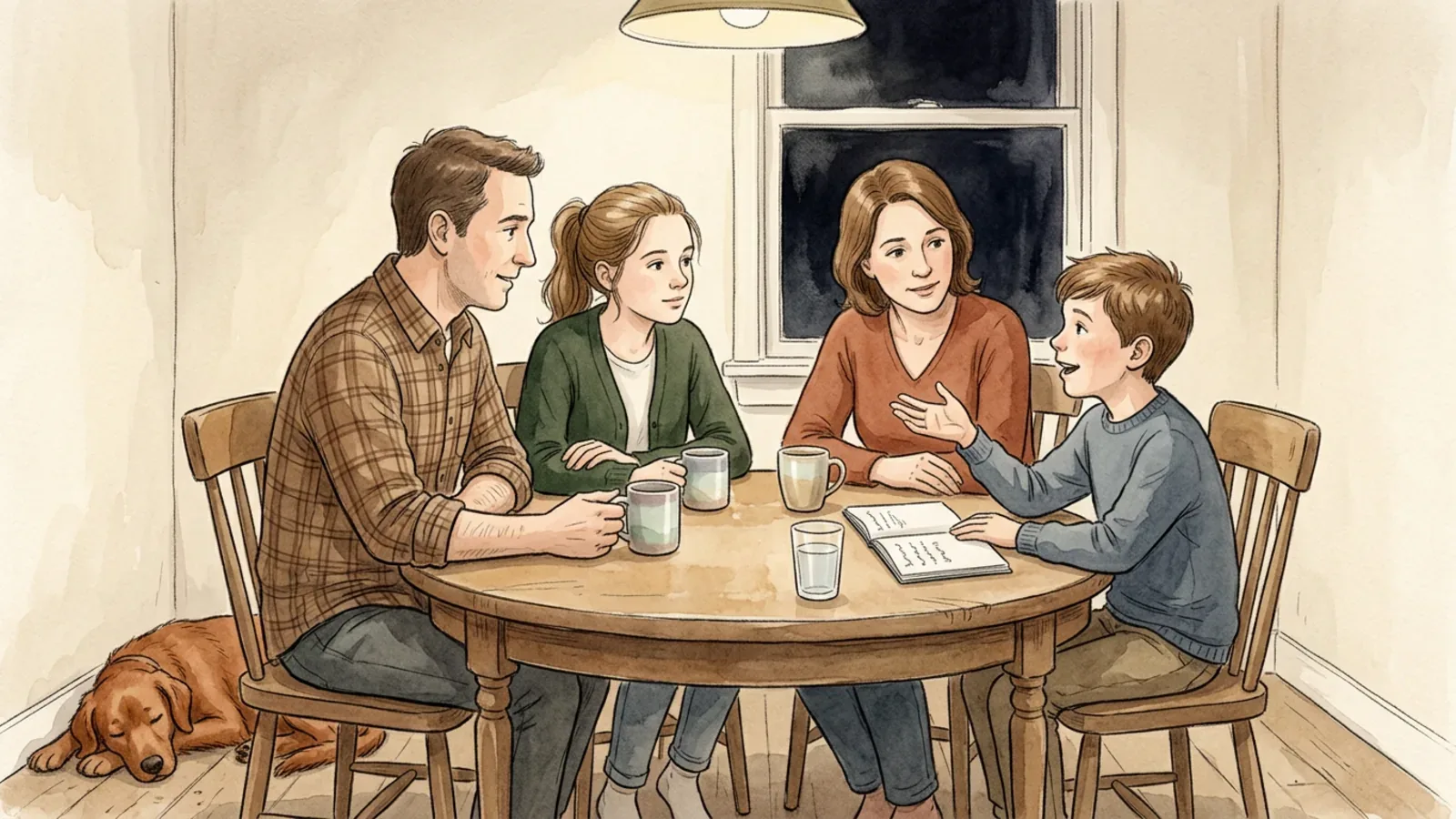
How to Get a Toddler to Sleep
Toddler bedtime fails for a boring reason: the plan changes every night. Fix the wake-up time, ritualise the last twenty minutes, and answer every protest with the same three sentences until the protest stops working.
Co-authored by:
Howly editors
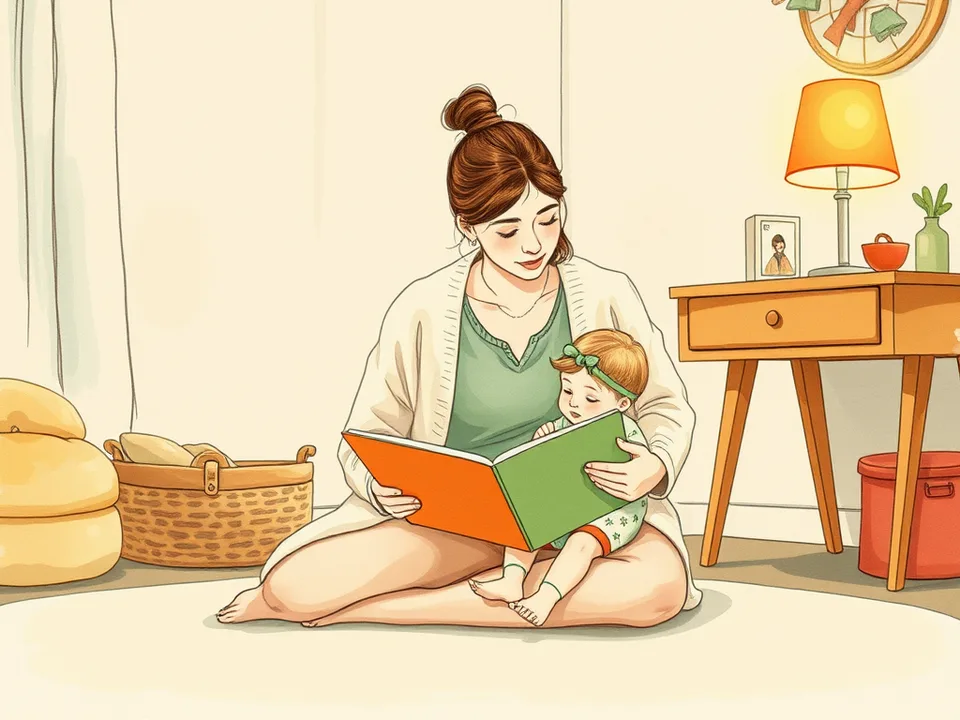
Steps
3 methods · 15 steps · 15 illustrationsPart 1 of 3
Set the Rhythm
 Step 1 / 15
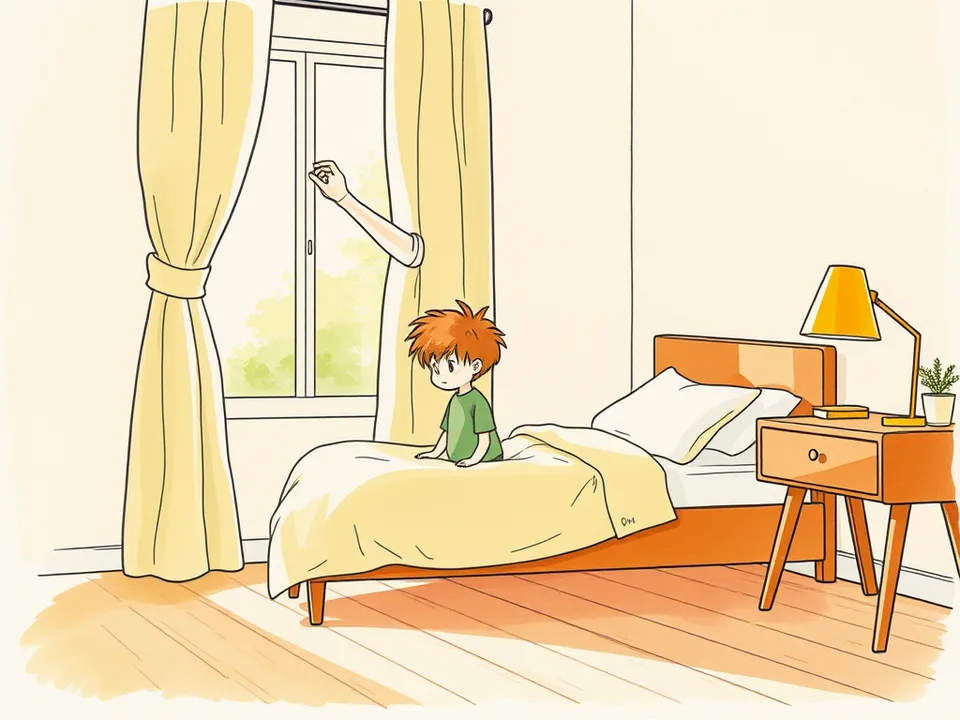
Step 1 of 15: Fix the morning wake-up time first 1Fix the morning wake-up time first
Bedtime is decided in the morning. A child who wakes at 6:30 and naps at 12:45 will be ready for bed around 7:15; a child who wakes at 8:00 will not be sleepy until 9:00, no matter how much you dim the lights.
Pick a wake-up time and hold it within fifteen minutes every day, including weekends. The whole schedule hangs off that anchor, and it is the one thing you can control without a fight.
Tip: Expect three to five days of grumpiness when you shift the wake-up time. It settles faster than most parents expect.
 Step 2 / 15
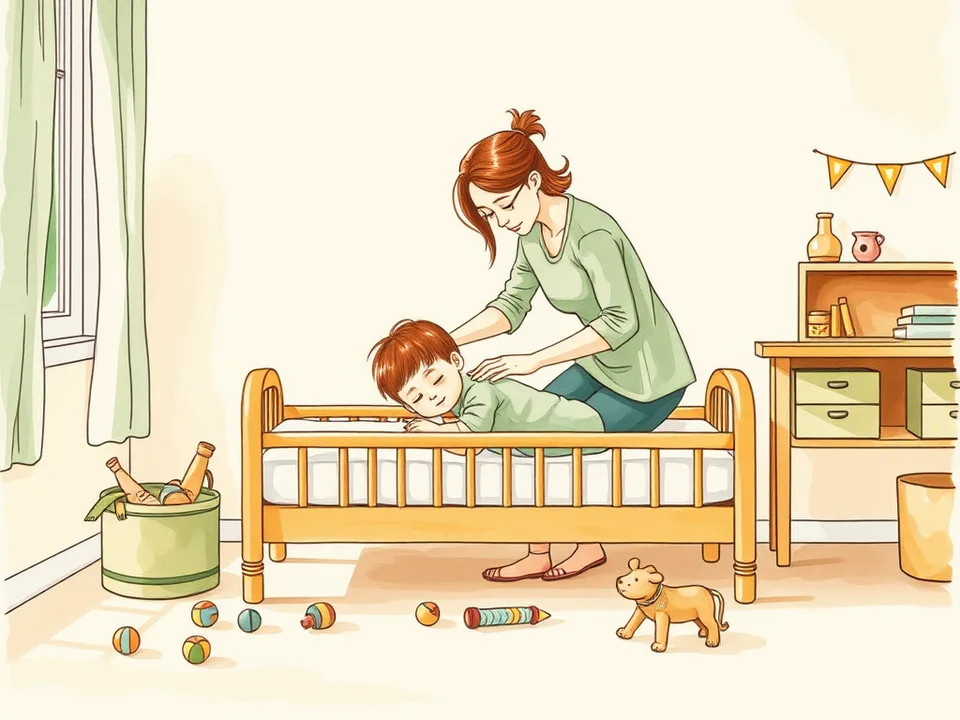
Step 2 of 15: Protect the nap but cap it 2Protect the nap but cap it
A nap that runs too late steals from the night. For most toddlers between two and four, the nap should end at least four hours before bedtime — a 1:00 to 2:30 nap fits a 7:00 bedtime, a 3:30 wake-up does not.
Wake them gently at the cap rather than letting the nap run. A slightly grumpy half hour at 2:30 is cheaper than an hour of bedtime negotiation at 8:00.
Tip: If the nap has to be short, keep it early. A 45-minute nap at noon beats a 90-minute nap at two.
 Step 3 / 15
Step 3 of 15: Build a twenty-minute wind-down routine 3Build a twenty-minute wind-down routine
Four or five steps, always in the same order: bath, pyjamas, teeth, two books, bed. The content matters less than the sequence, because the sequence is what tells a toddler what is coming next.
Start at the same time each night. A routine that begins at 6:40 on Monday and 7:30 on Tuesday is not a routine; it is a suggestion.
Tip: Keep the last step calm and quiet. A chase game in pyjamas undoes the previous nineteen minutes.
 Step 4 / 15
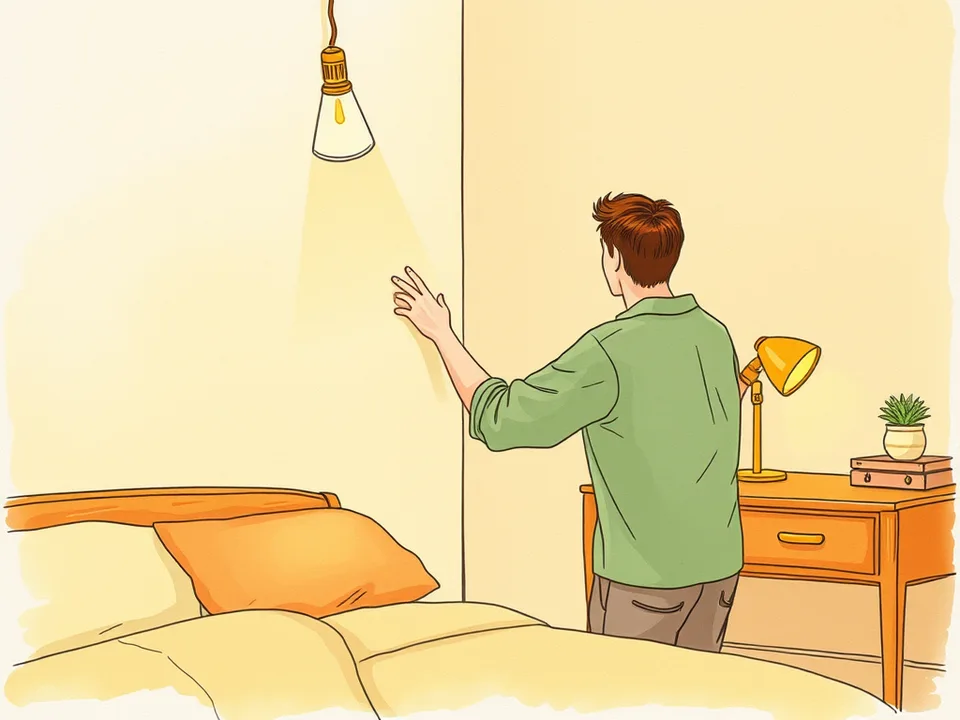
Step 4 of 15: Dim the lights an hour before bed 4Dim the lights an hour before bed
Light is the strongest signal your child's body uses to decide when to sleep. An hour before bed, turn off the overhead lights and use a lamp or a hallway light instead.
Screens count as light and as stimulation. If a tablet is part of the evening, put it away at the start of the wind-down, not at the end.
Tip: A warm, low lamp does more for sleepiness than a lecture about sleepiness.
 Step 5 / 15
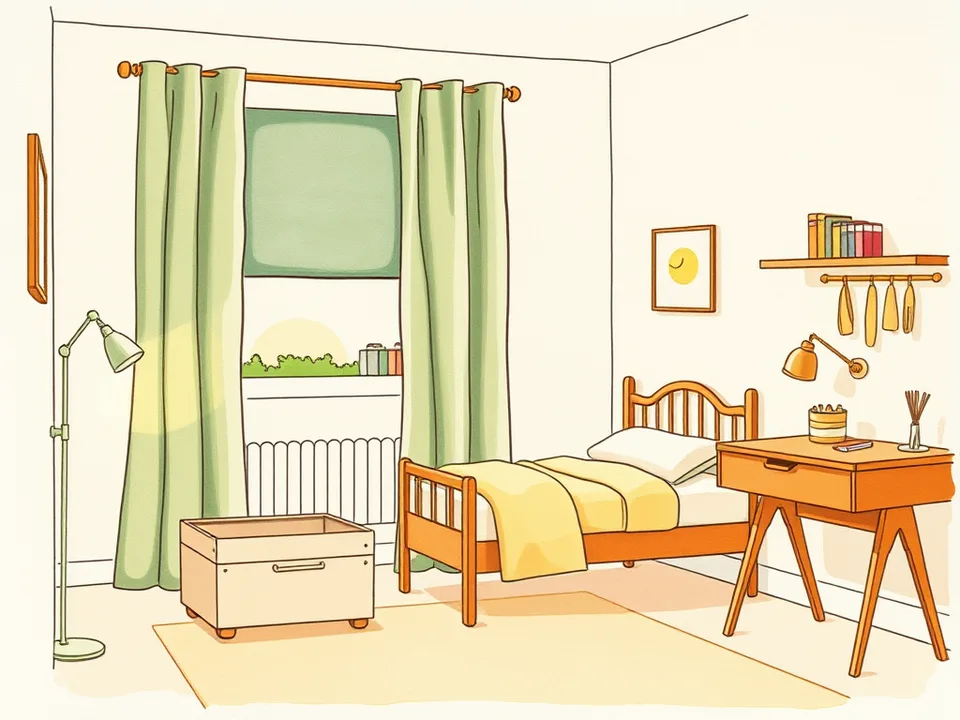
Step 5 of 15: Make the room dark, cool, and boring 5Make the room dark, cool, and boring
A toddler's room should be dark enough that you cannot read a book without a light, cool enough for a light blanket, and boring enough that getting out of bed is not tempting. Toys go in a closed box, not on the floor.
A small nightlight is fine if it helps with fear, but keep it low and warm rather than bright blue. White noise can mask a household that is still awake.
Tip: Blackout curtains in summer are worth the money. A 9 p.m. sunset is a legitimate reason a child will not sleep.
Part 2 of 3
Handle the Resistance
 Step 6 / 15
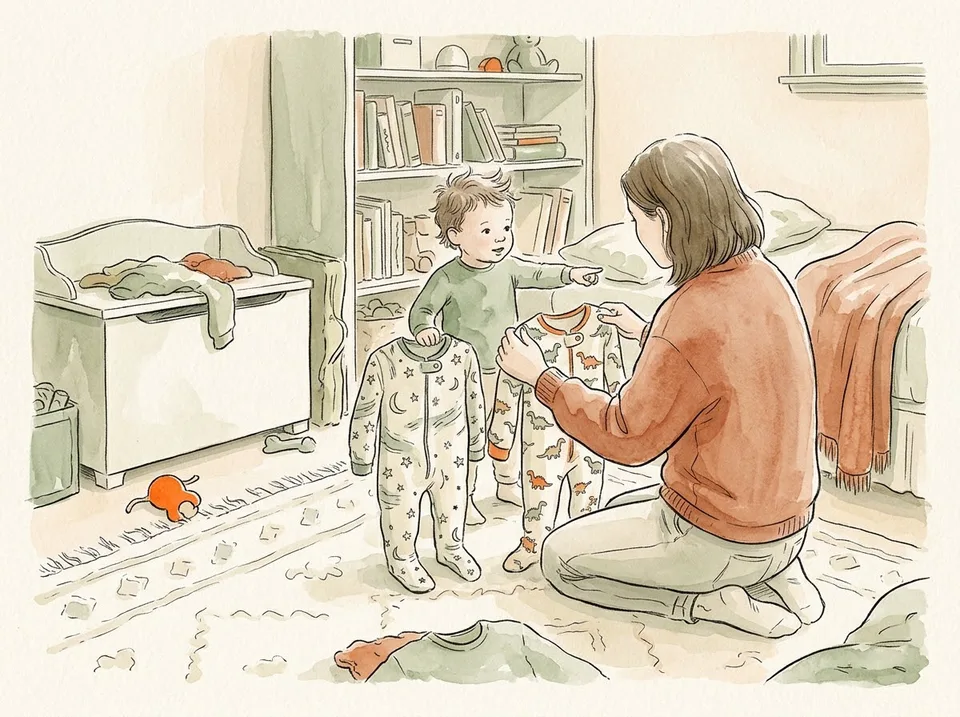
Step 6 of 15: Offer two choices and no open questions 6Offer two choices and no open questions
"Do you want to go to bed?" invites a no. "Which pyjamas, the stars or the dinosaurs?" invites a decision about pyjamas, which is the decision you actually need. Toddlers fight for control; give them control over things that do not matter.
Offer two options, both acceptable to you, and accept whichever they pick. If they refuse both, choose for them calmly and move on.
Tip: Never offer a choice you are not willing to honour. A choice that gets overruled teaches them to argue harder next time.
 Step 7 / 15
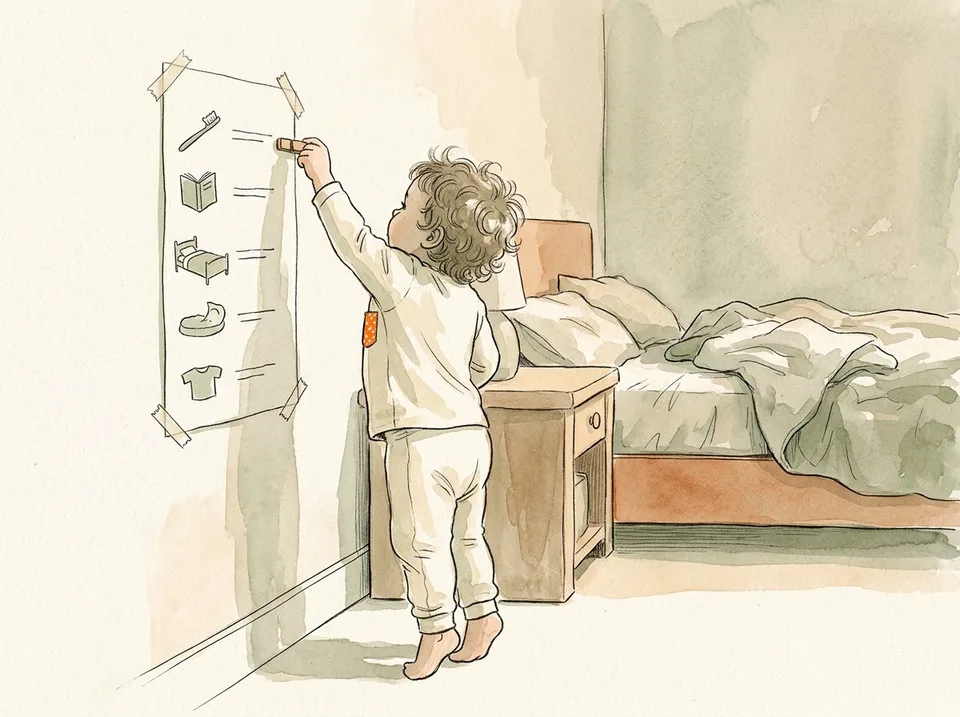
Step 7 of 15: Draw a bedtime checklist with pictures 7Draw a bedtime checklist with pictures
Make a simple chart with four or five pictures: bath, pyjamas, teeth, book, bed. Let the child move a sticker or a clip along it as each step is done. The chart becomes the authority, so the parent stops being the one who says no.
This works surprisingly well between ages two and five, because the ritual of checking the list replaces the ritual of testing the parent.
Tip: Draw it together and hang it at the child's eye level. Ownership is the point.
 Step 8 / 15
Step 8 of 15: Put them back calmly, with as few words as possible 8Put them back calmly, with as few words as possible
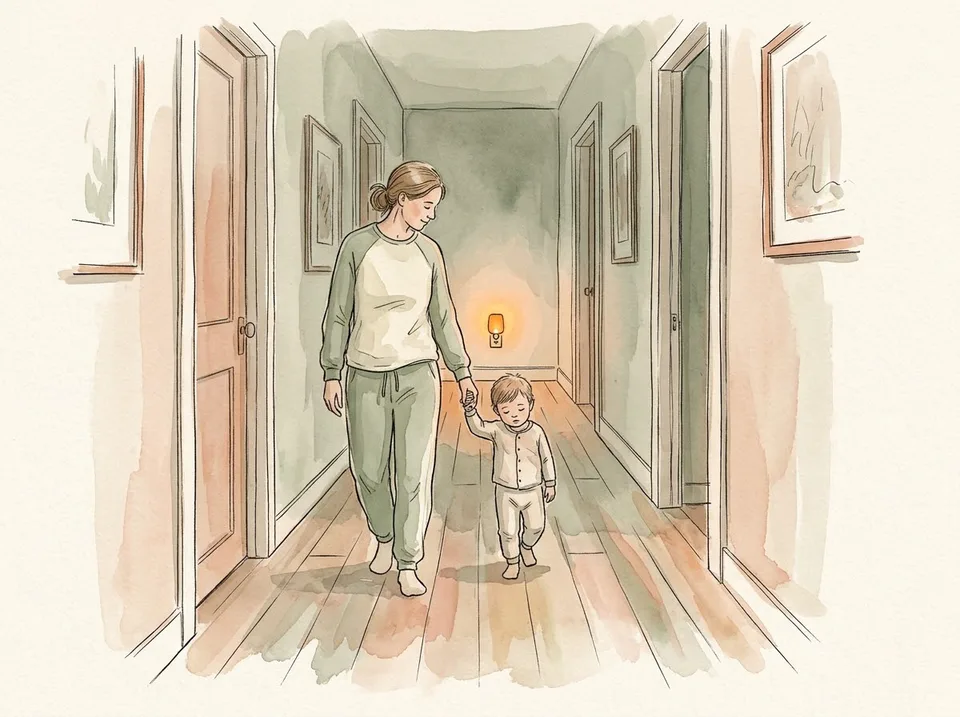
When they get up, walk them back to bed, say the same short sentence — "It's sleep time, I love you" — and leave. No lecture, no negotiation, no extra glass of water. The first three times feel absurd; by night four it is usually down to one return.
Keep your voice flat and your face boring. A reaction, even an annoyed one, is a reward for getting out of bed.
Tip: Expect to do this fifteen times on the first night. The number drops fast if the response never changes.
 Step 9 / 15
Step 9 of 15: Give one "one more" pass and mean it 9Give one "one more" pass and mean it
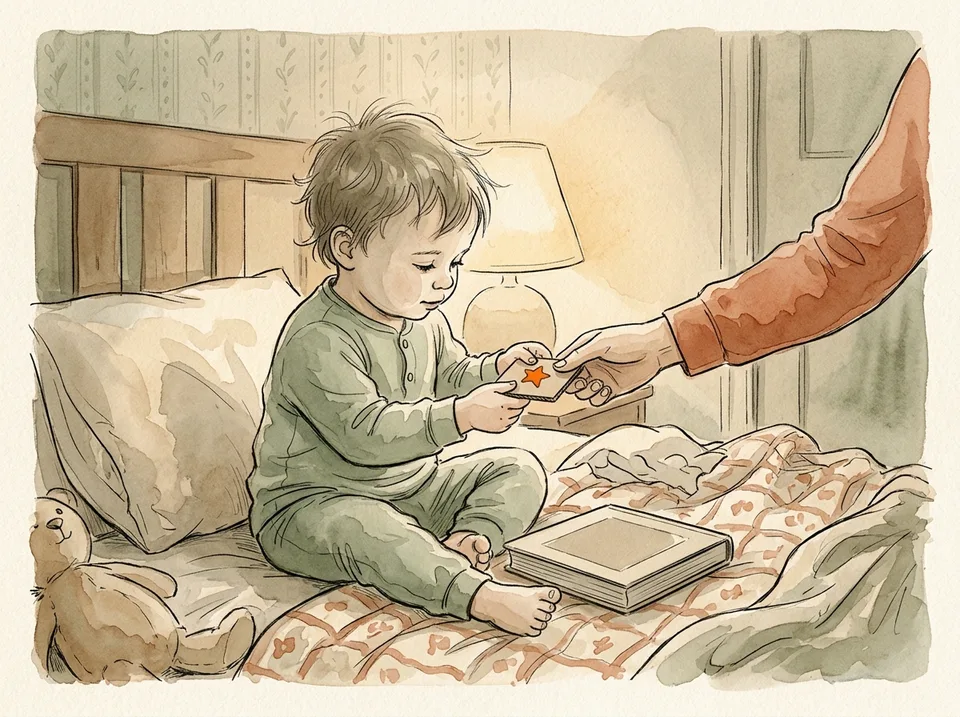
Many families use a small card or token that buys exactly one extra request — one more book, one more hug, one more trip to the bathroom. When the token is used, the answer is no, and the answer is no because the token is gone, not because the parent is being mean.
One pass works. Three passes recreate the negotiation you were trying to end.
Tip: The token must be handed over physically. "You already used it" is much weaker than an empty hand.
 Step 10 / 15
Step 10 of 15: Expect the extinction burst and hold the line 10Expect the extinction burst and hold the line
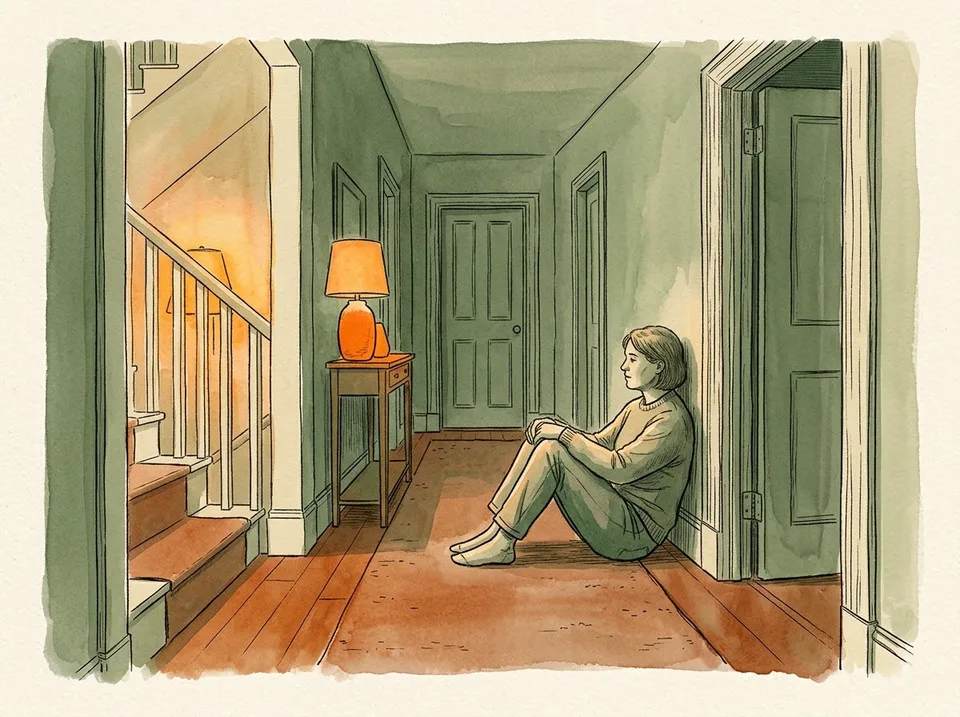
When a boundary gets consistent, behaviour often gets worse for two or three nights before it gets better. This is the extinction burst, and it is the moment most parents give up and reintroduce the old routine.
If you hold the same response for a week, the burst passes. If you give in on night three, you teach that the burst is what works, and the next attempt will be longer.
Tip: Plan the hard nights for a weekend or a quiet week. Starting on a Sunday before a big workday is how plans die.
Part 3 of 3
Fix the Night Wakings
 Step 11 / 15
Step 11 of 15: Wait thirty seconds before you go in 11Wait thirty seconds before you go in
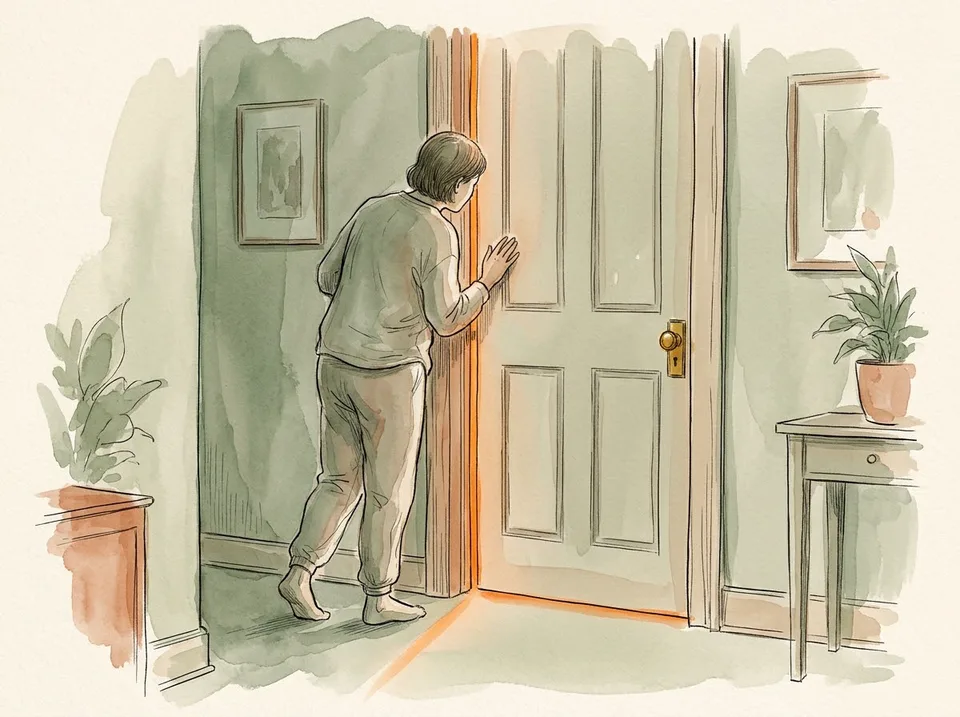
Toddlers wake between sleep cycles and often settle themselves within a minute. Stand outside the door and count to thirty before you open it. Many night wakings end on their own if you give them the chance.
If the crying escalates or sounds distressed rather than grumpy, go in. The pause is not cry-it-out; it is a check that your presence is actually needed.
Tip: A baby monitor with the volume too high makes every sound an emergency. Turn it down one notch.
 Step 12 / 15
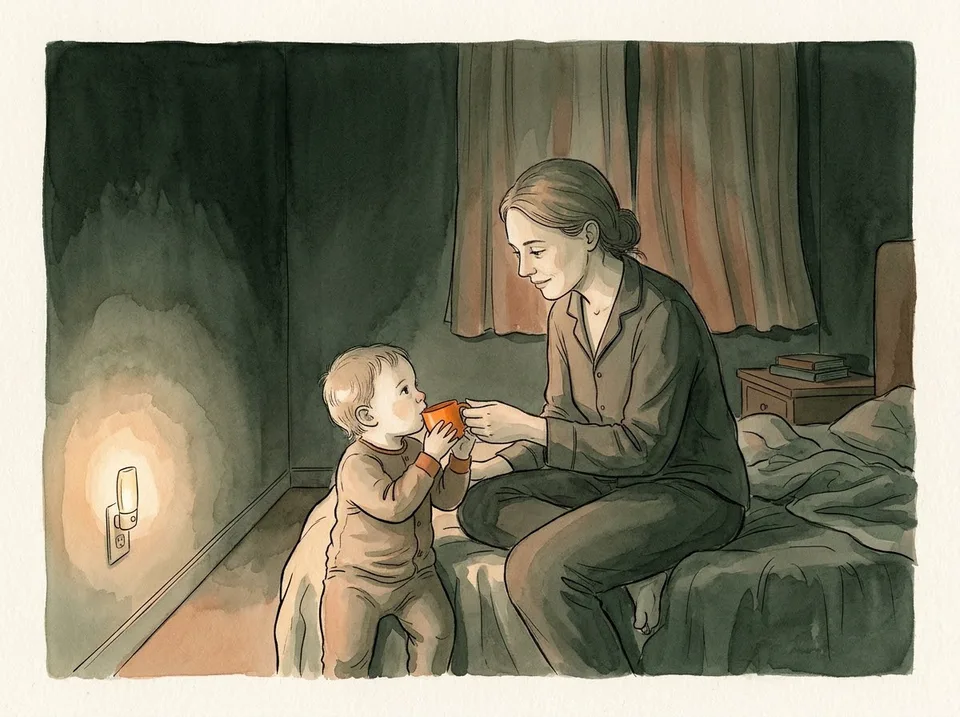
Step 12 of 15: Keep night feeds boring and brief 12Keep night feeds boring and brief
If your toddler still needs a feed or a drink at night, keep the lights off, say nothing, and put them back down as soon as it is finished. The feed is for hunger; the conversation and the play are what turn it into a habit.
For older toddlers, a cup of water beside the bed often removes the reason to get up at all.
Tip: Talk to your paediatrician before dropping night feeds, especially for children under two.
 Step 13 / 15
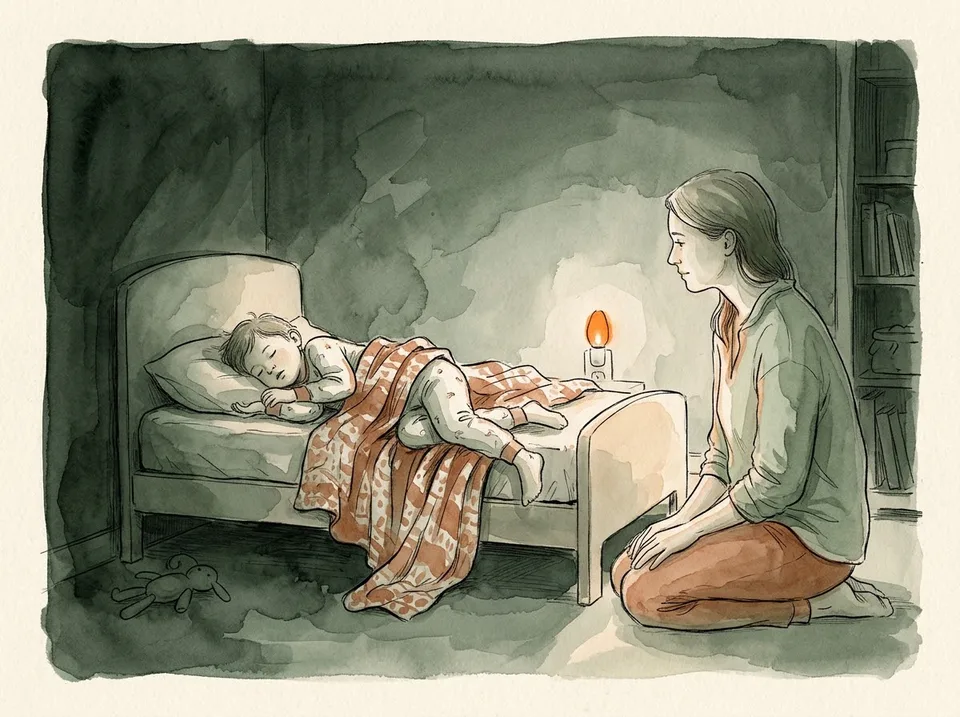
Step 13 of 15: Tell night terrors apart from nightmares 13Tell night terrors apart from nightmares
A nightmare wakes a child who wants comfort and remembers the dream. A night terror happens in deep sleep: eyes open but unseeing, screaming, sweating, and no memory afterwards. Do not wake a child in a night terror.
Stay nearby, keep them safe, and let it pass in five to fifteen minutes. For nightmares, comfort and a nightlight help; for terrors, a consistent early bedtime helps more than anything in the room.
Tip: Night terrors are common between ages two and six and usually stop on their own. Mention them at the next check-up.
 Step 14 / 15
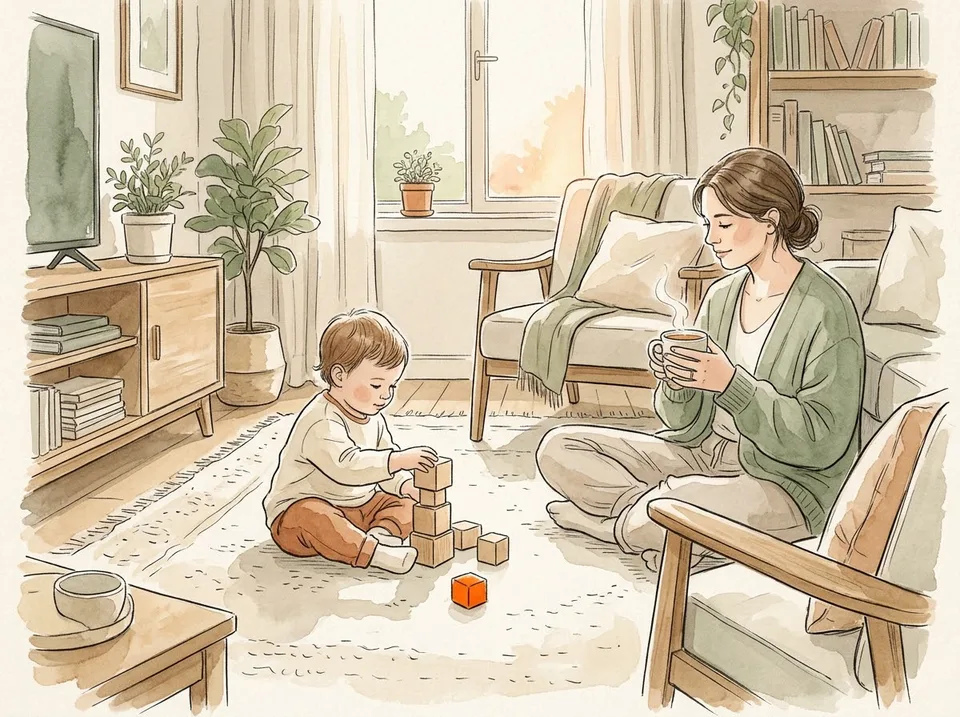
Step 14 of 15: Drop the nap when it starts eating the night 14Drop the nap when it starts eating the night
The sign is predictable: a child who naps well and then lies awake until 9:30. Shorten the nap to forty-five minutes for a week; if bedtime is still a battle, drop it and move bedtime thirty minutes earlier.
The transition usually takes two or three weeks of early bedtimes and occasional car naps. Expect it somewhere between ages three and four, earlier for some children.
Tip: A dropped nap often comes back for a week during illness or travel. Do not treat that as a permanent regression.
 Step 15 / 15
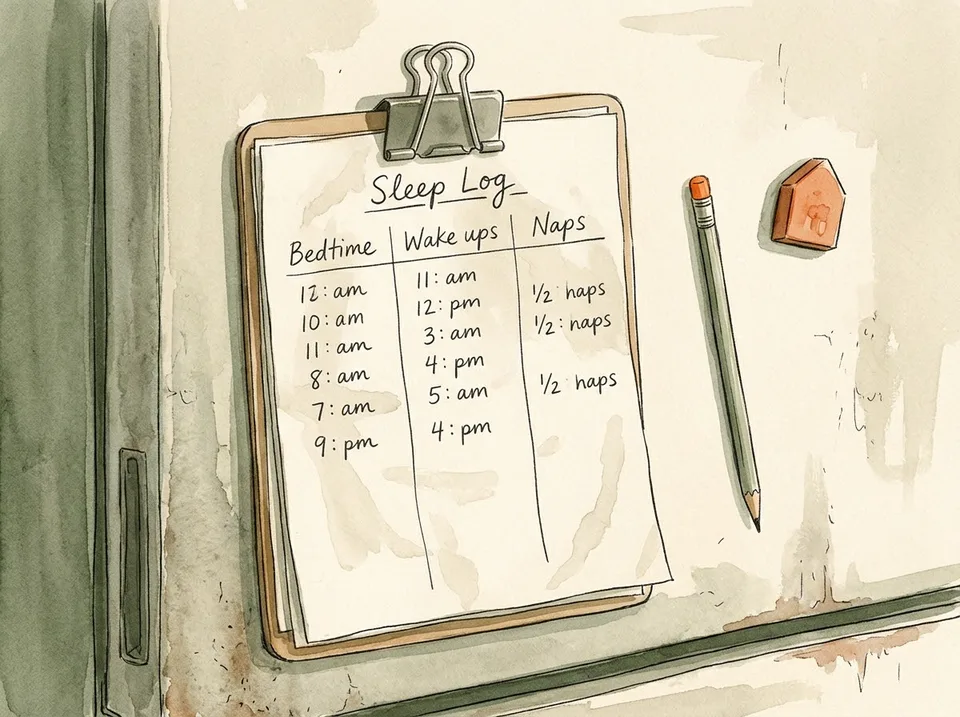
Step 15 of 15: Track two weeks before you change the plan 15Track two weeks before you change the plan
Write down bedtime, wake-ups, nap length, and morning wake time for two weeks. Patterns show up that memory hides: the bad nights may line up with late naps, or with days when the routine started late.
Change one thing at a time and give it a week. Changing the routine, the nap, and the room in the same week gives you no information about which one worked.
Tip: A note on the fridge is enough. The goal is a pattern, not a spreadsheet.
Tips
- Say goodnight to the same three things every night — the lamp, the bear, the door. Ritual endings are easier to accept than abrupt ones.
- Keep the routine identical when you travel, even if the times shift. The order is what travels.
- Praise the morning after a good night, not the bedtime itself. The payoff should be visible the next day.
Warnings
- Never use a locked door or a gate as a punishment. Safety and sleep are separate problems.
- Talk to a paediatrician if a child snores heavily, breathes through the mouth, or is exhausted despite enough sleep — sleep apnoea and enlarged tonsils are real and treatable.
Community Q&A
How long does a new bedtime routine take to work?+
Most families see a change in four to seven nights if the response is identical every time. If nothing changes after two weeks, change one variable and track it.
Is it OK to lie down with my toddler until they fall asleep?+
It is fine as a choice, but it becomes the sleep association: they will need you there at every night waking. If that is not sustainable, move your chair a little further from the bed each week.
What about a toddler who climbs out of the cot?+
Move to a bed with a low rail, remove the ladder-like furniture, and return them to bed calmly each time. A sleep sack can delay climbing for a few months.
References
- American Academy of Pediatrics. Healthy Sleep Habits: How Many Hours Does Your Child Need?
- NHS. Sleep tips for children.
Related on Howly
About This Article
Last updated Oct 30, 2026. 71,451 readers have viewed this guide.
100% of readers found this article helpful.
1 vote - 100%
Click a star to add your vote
No reader stories yet. Be the first to share how this guide worked out for you.