How to Prepare for a Performance Review
A review is a negotiation with a paper trail. Bring receipts, name the two things that went wrong before anyone else does, and leave with written criteria for next time.
Co-authored by:
Daniel Okafor
People Operations Lead

Steps
3 methods · 12 steps · 12 illustrationsPart 1 of 3
Building Your Evidence
 Step 1 / 12
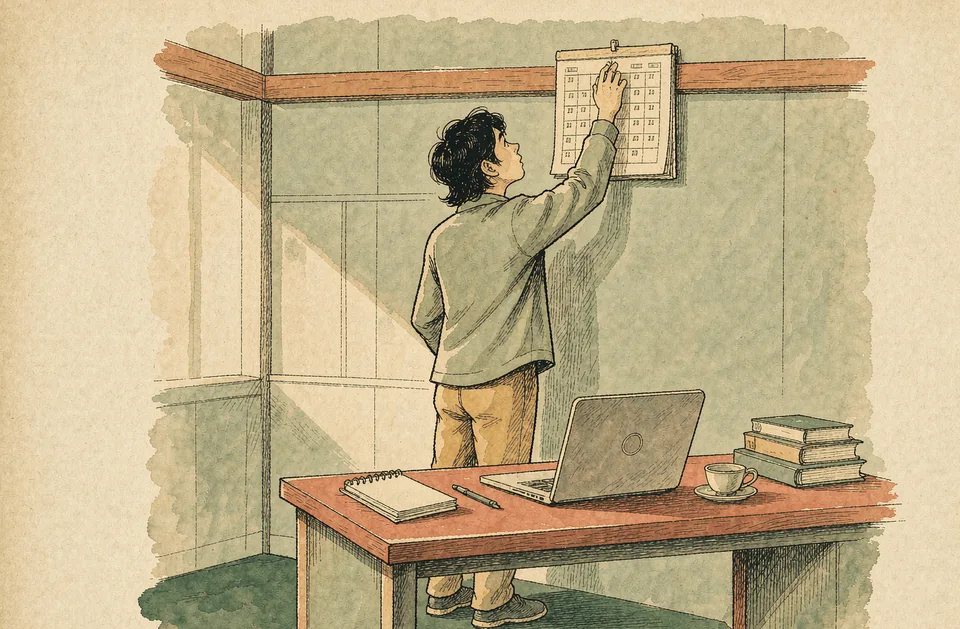
Step 1 of 12: Pull the receipts from the last twelve months 1Pull the receipts from the last twelve months
Open your calendar, your sent mail, and your project tracker, and go back month by month. Write down everything you shipped, fixed, unblocked, or inherited in a mess. Do not filter yet — the point is to stop relying on memory, because the review always lands on the two months you can remember and the other ten disappear.
Tip: Thirty minutes with a calendar beats two hours of trying to remember. Copy the raw list into one document before you tidy it.
 Step 2 / 12
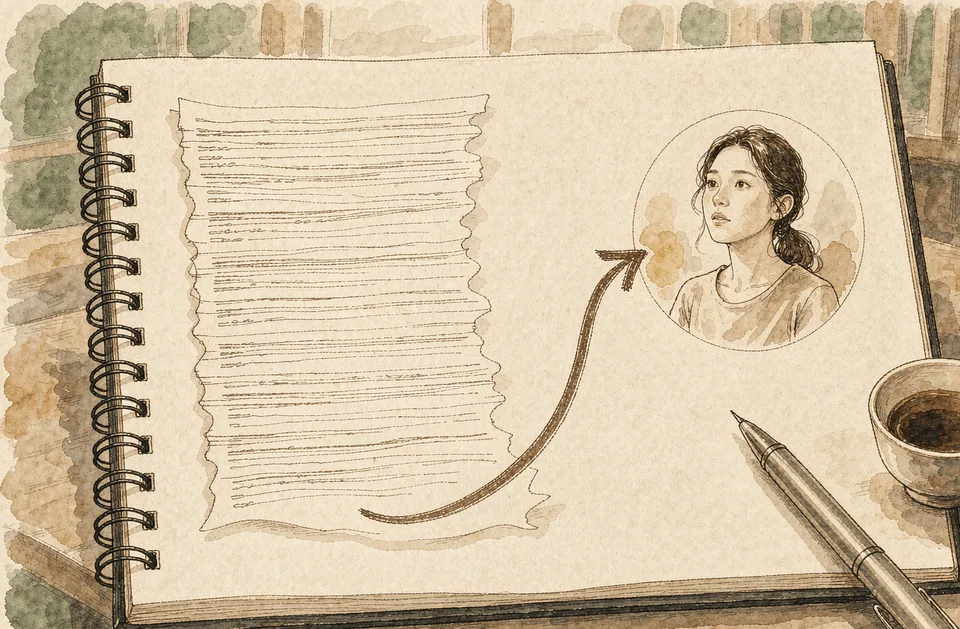
Step 2 of 12: Turn activity into outcomes 2Turn activity into outcomes
Rewrite each item so it answers 'so what'. 'Ran the onboarding sessions' becomes 'cut new-hire time-to-first-task from nine days to four'. Where you genuinely have no number, use a concrete before-and-after or a named thing that now exists because of you. A review panel can argue with adjectives; it is much harder to argue with a date and a count.
Tip: If a number is not available, say where it lives and offer to bring it. Guessing badly is worse than admitting the gap.
 Step 3 / 12
Step 3 of 12: Collect two lines of feedback from other people 3Collect two lines of feedback from other people
Ask two or three colleagues — including one you do not work with daily — for a single sentence you can quote: what changed because you were on the project. Do this two weeks ahead, not the night before. Written feedback from peers carries weight that self-assessment cannot, and it also surfaces problems while you still have time to mention them yourself.
Tip: Ask for a sentence, not a paragraph. Short requests get answered; long ones get postponed.
 Step 4 / 12
Step 4 of 12: Write down the two things that went badly 4Write down the two things that went badly
Choose the two failures a fair reviewer would raise, and write what you would do differently with the benefit of hindsight. Naming them first removes their power to derail the meeting, and it demonstrates the one thing reviews are actually testing: whether you can look at your own work accurately. Do not pick fake weaknesses to look humble.
Tip: Pick a real one and a small one. Two real disasters in one document reads as bad judgement about which to fix first.
Part 2 of 3
Reading the Room Before the Meeting
 Step 5 / 12
Step 5 of 12: Find out what the review is for 5Find out what the review is for
Ask your manager, in writing, whether this is a rating conversation, a development conversation, or a pay conversation — and whether they have already decided the outcome. The three require completely different preparation, and most disappointment comes from preparing for one and walking into another. If the rating is already fixed, your only real lever is the shape of the next six months.
Tip: One short email is enough: 'So I prepare properly, is this the rating discussion or the development one?'
 Step 6 / 12
Step 6 of 12: Anticipate the two critiques you fear most 6Anticipate the two critiques you fear most
Write the harshest fair criticism of your year, then write a two-line answer that neither agrees with everything nor denies everything. Something like: 'That is fair for the March release; what changed afterwards was X.' A prepared answer sounds like reflection. An unprepared one sounds like either defensiveness or collapse.
Tip: If the criticism is entirely true, say so plainly and move to what you changed. One clean admission costs less than three defences.
 Step 7 / 12
Step 7 of 12: Bring three asks, not one demand 7Bring three asks, not one demand
Decide what you want out of the meeting: a specific development opportunity, a change in scope, or a pay conversation — and prepare a fallback for each. Three ranked asks give the conversation somewhere to go when the first is impossible this quarter, and they make you look like someone planning a year rather than winning an argument.
Tip: Write each ask as one sentence plus the reason it helps the team, not just you.
 Step 8 / 12
Step 8 of 12: Rehearse the question you dread, out loud 8Rehearse the question you dread, out loud
Say the worst question and your answer aloud, twice. 'Why should you be rated above expectations?' is a different sentence in your mouth than in your head, and the first time you hear it should not be in the room. Practising also exposes answers that run past thirty seconds, which is roughly how long a manager listens before deciding.
Tip: Record it on your phone once. It is uncomfortable and it works.
Part 3 of 3
In the Room and Afterwards
 Step 9 / 12
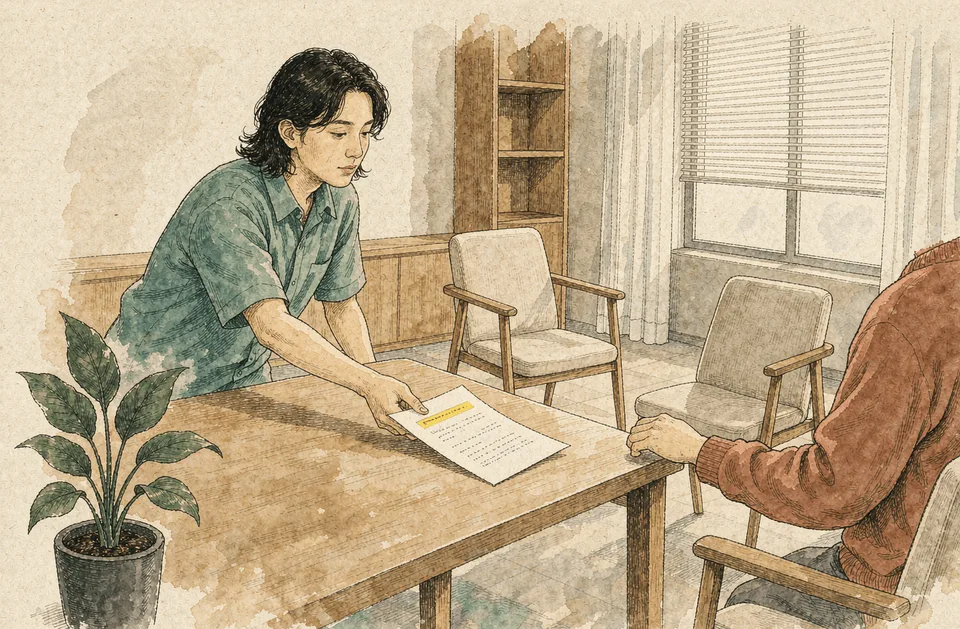
Step 9 of 12: Open with a one-line summary of your year 9Open with a one-line summary of your year
Start with a single sentence that frames everything: 'Three things went well, one went badly, and here is what I want to change next year.' It gives the meeting a shape in ten seconds and stops the conversation from being a list of incidents in random order. Then let the evidence do the work.
Tip: Bring one page, printed or on screen. Nobody reads a second page, but everyone trusts someone who has one.
 Step 10 / 12
Step 10 of 12: Answer criticism with a question before an answer 10Answer criticism with a question before an answer
When a criticism lands, ask what specifically prompted it and what 'good' would have looked like. Half the time the answer narrows the complaint to one incident; the rest of the time you learn the standard you were never told. Either way you leave with information instead of a verdict.
Tip: Take a note while they answer. It buys you three seconds and signals you are listening rather than reloading.
 Step 11 / 12
Step 11 of 12: Convert the rating into criteria 11Convert the rating into criteria
If you disagree with the rating, do not argue about the number — ask what evidence would have justified the higher one. Then ask whether that can be agreed in writing for the next cycle. Criteria you can point to later are worth more than a fight you win once, and managers find it much easier to concede a definition than a rating.
Tip: Ask for the criteria to appear in your objectives, not in a chat. Undocumented agreements expire with the next reorganisation.
 Step 12 / 12
Step 12 of 12: Close with written next steps within a day 12Close with written next steps within a day
Send a short summary: what was agreed, what you will do in the next quarter, what you asked for, and what is still open with a date. Five lines, no editorialising. This is the document anyone will read when the next cycle starts, and it is the only part of the review that outlives the meeting.
Tip: If they promised something, restate it neutrally: 'You mentioned reviewing the scope in Q2 — I will follow up in April.'
Tips
- Keep a running 'wins' note all year. One line per week takes ten seconds and turns review prep from an archaeology project into a read-through.
- Ask for the review document or rating criteria in advance. If none exists, that absence is itself useful information about how decisions get made.
- Bring numbers you can defend, and label the ones you cannot. 'About 40% fewer tickets, measured over six weeks' is credible; 'massive improvement' is not.
- If the conversation turns emotional, ask for a five-minute break. Nobody has ever regretted it; plenty have regretted the sentence they said instead.
Warnings
- Do not surprise your manager with a resignation or a demand in a review. Reviews are for evidence and direction; ultimatums belong in a separate conversation you have chosen deliberately.
- Do not send a long rebuttal document after a rating you dislike. It rarely changes the rating and it follows you. Ask for criteria instead.
- Do not compare yourself to a named colleague. It converts a discussion about your work into a discussion about someone else's, which you cannot win.
Community Q&A
What if my manager has clearly already decided the rating?+
Then the rating is not the useful part of the meeting. Spend your time on the two things you can still change: the written criteria for next cycle and the specific work you will be judged on. Say plainly that you would like to understand the standard, and take notes.
How do I handle criticism that is simply wrong?+
Ask what it was based on before correcting it. Often there is a real incident behind an inaccurate summary, and addressing the incident is easier than disproving the summary. If the record is genuinely wrong, correct it once, calmly, with a date and an artefact.
Should I bring up pay in the review?+
Only if the review is the pay cycle, or if you ask for a separate meeting. Raising money inside a development conversation usually shortens the development part. Prepare a market case and ask for a dedicated thirty minutes.
How long should my self-assessment be?+
One page. Three or four outcomes with evidence, two honest gaps, and one sentence on what you want next. Anything longer gets skimmed, and skimming is how your best argument gets lost.
What do I do if I get no useful feedback at all?+
Ask three specific questions: what would have made this year excellent, what should I stop doing, and who else should I be learning from. Vague praise is not feedback, and it is fair to say so politely.
References
- Society for Human Resource Management. “Performance Management: Best Practices and Common Pitfalls.” 2023.
- CIPD. “Performance reviews: evidence review on appraisal and feedback.” London, 2022.
- Harvard Business Review. “The Performance Review That Actually Helps People Improve.” 2021.
- Gallup. “Performance Management Myth-Busting: What Employees Really Want.” 2022.
Related on Howly
About This Article
Written by Site Admin. A subject-matter reviewer checked the steps before publication. Last updated Oct 29, 2026. 38,241 readers have viewed this guide.
90% of readers found this article helpful.
412 votes - 90%
Click a star to add your vote
Marcus T.
Oct 20, 2026
“I brought one page instead of the five I usually write. My manager read it in the room, and for the first time we spent the hour on the next year instead of on arguing about the last one.”