How to Start a Family Holiday Tradition
A tradition is not a perfect table or an expensive outing. It is something small, repeated, and specific enough that people would notice its absence. Here is how to invent one that survives busy years, moves, and growing families.

Co-authored by:
Ingrid Solberg
Folklorist & Tradition Researcher
Steps
3 methods · 12 steps · 12 illustrationsPart 1 of 3
Choosing Something You Can Repeat
 Step 1 / 12
Step 1 of 12: Start from a feeling, not a photograph 1Start from a feeling, not a photograph
Most traditions that fail were designed for how they would look. Start instead with what you want people to feel at the end of the day: rested, included, generous, connected to someone who is gone. Then choose the smallest activity that reliably produces that feeling. The feeling is the point; the activity is only a vehicle.
Tip: Write the feeling down in one word. If a proposed tradition does not produce that word, it is decoration.
 Step 2 / 12
Step 2 of 12: Anchor it to a fixed point 2Anchor it to a fixed point
A tradition needs a trigger: the first Sunday of the month, the night before school starts, the first cold morning. Same day, same place, same order where possible. Repetition is the entire mechanism, and an activity that floats around the calendar never becomes expected, so it never becomes a tradition.
Tip: Pick a trigger you control. Tying it to someone else's schedule guarantees it will be cancelled.
 Step 3 / 12
Step 3 of 12: Make it small enough to survive a bad year 3Make it small enough to survive a bad year
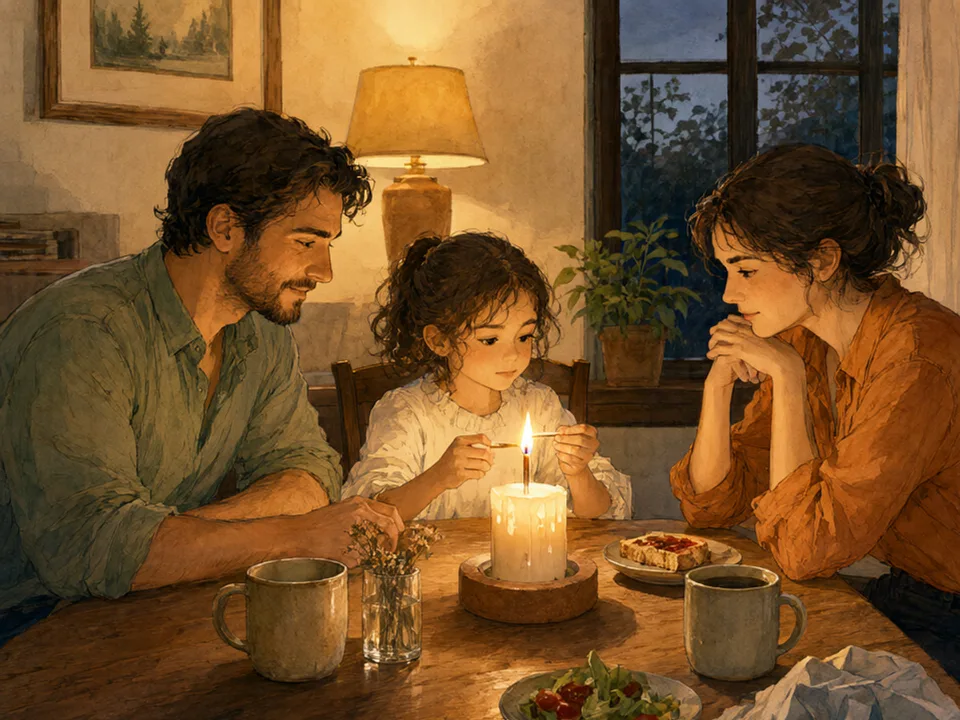
The tradition you can do while ill, broke, or grieving is the one that lasts. Fifteen minutes, low cost, minimal preparation: a particular breakfast, one song, a walk to the same corner, a candle lit before dinner. Grand traditions are wonderful until the first year they become impossible, and then they tend to disappear entirely.
Tip: If it takes more than twenty minutes to prepare, ask which part is the tradition and cut the rest.
 Step 4 / 12
Step 4 of 12: Check who it excludes 4Check who it excludes
A tradition that requires everyone present will fail the first time someone works a night shift, lives abroad, or joins the family. Decide in advance how people participate from a distance, what happens when a guest cannot eat the food, and whether the timing punishes anyone who has to travel. Inclusion is designed, not hoped for.
Tip: Ask the people who are usually forgotten: the ones working, the ones far away, the ones new to the family.
Part 2 of 3
Running It the First Three Times
 Step 5 / 12
Step 5 of 12: Treat the first year as a rehearsal 5Treat the first year as a rehearsal
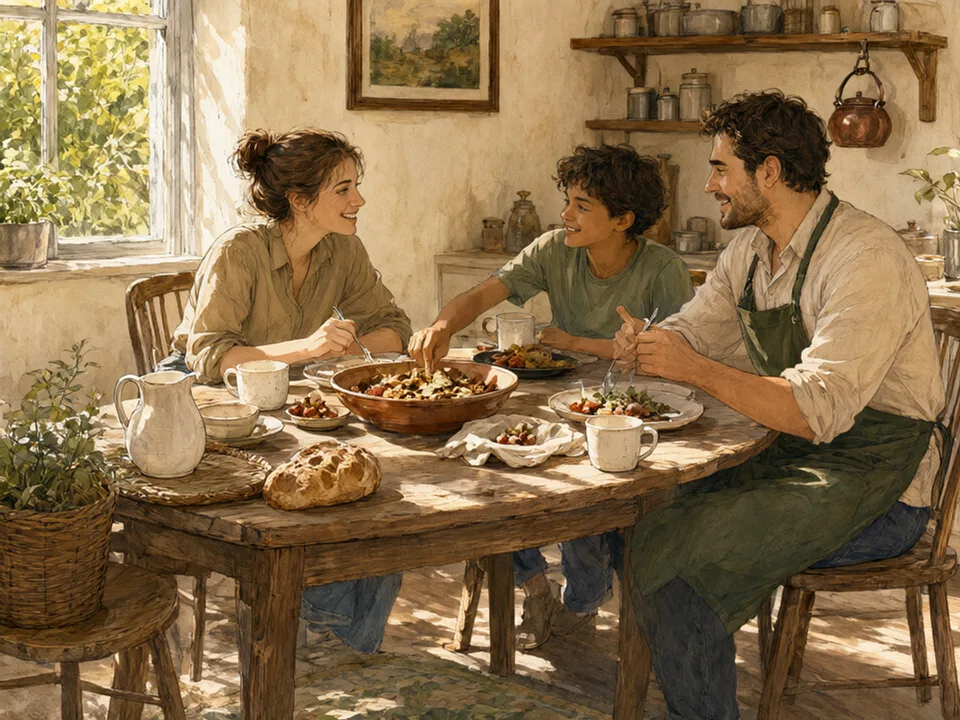
Announce it as an experiment rather than an institution. 'Let's try this on Sunday and see how it feels' gives everyone permission to be honest, and gives you permission to change the format before it hardens. Traditions that start as tests survive better than ones announced as new family law.
Tip: Say the words out loud: this year is a trial. It lowers the stakes for everyone, including you.
 Step 6 / 12
Step 6 of 12: Give everyone a job, even a tiny one 6Give everyone a job, even a tiny one
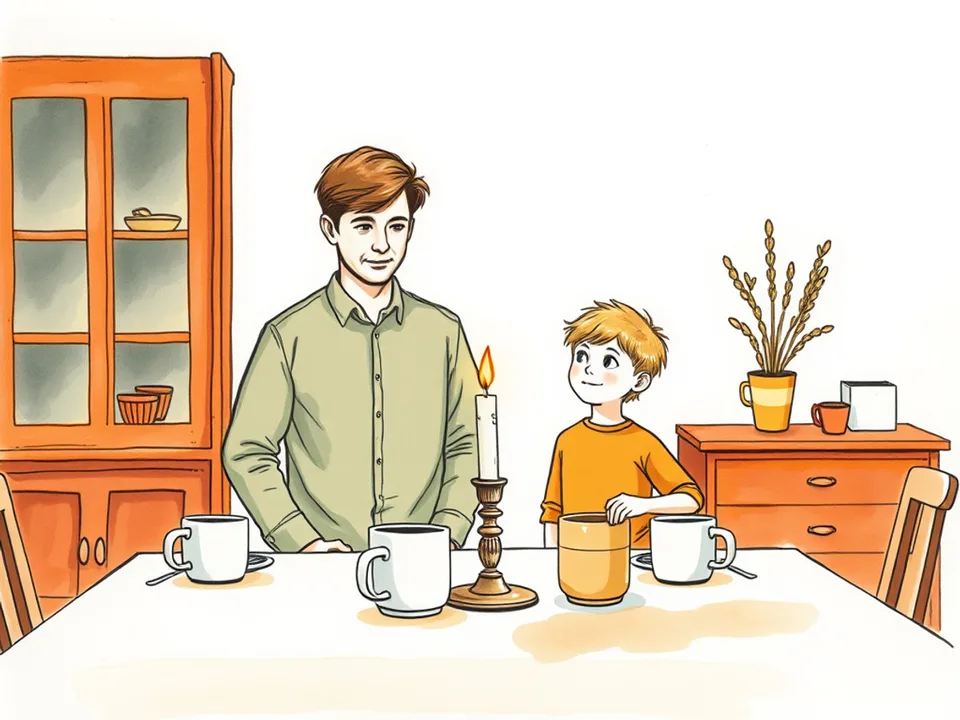
People protect what they helped build. The jobs do not need to be equal: one person lights the candle, one chooses the music, one rings the doorbell, one takes the photograph. Being needed is what converts an event organised for the family into an event the family owns.
Tip: Give children a job they can actually do badly but independently. Ownership survives imperfection.
 Step 7 / 12
Step 7 of 12: Document it lightly 7Document it lightly
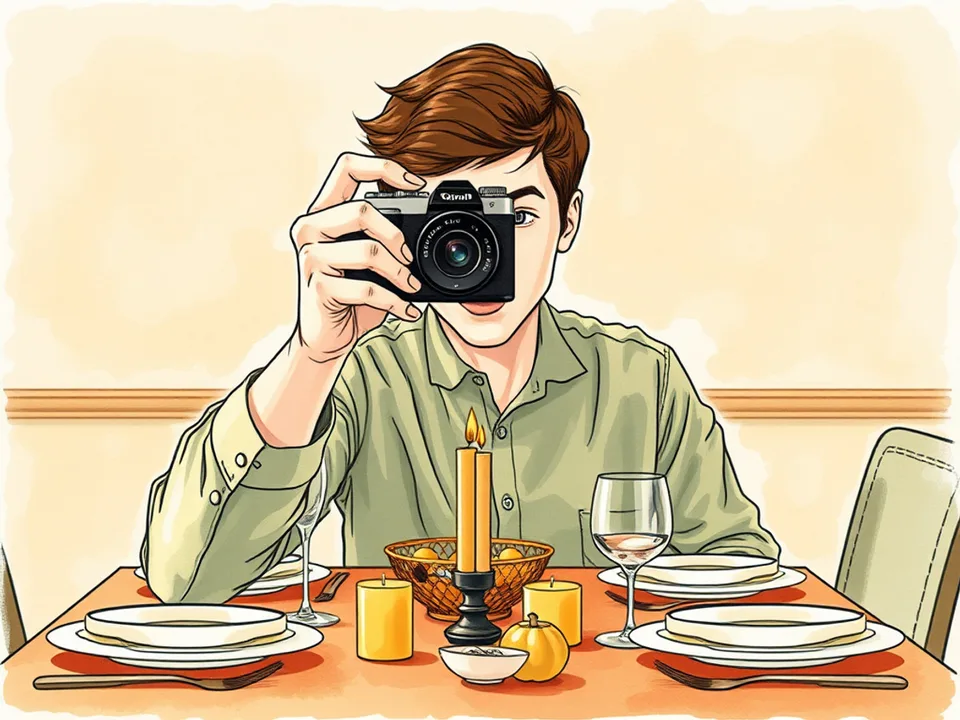
One photograph and one line in a note is enough. Elaborate documentation turns the tradition into a performance for an audience that does not exist, and it makes the year you skip feel like a failure. A shoebox of ordinary pictures will matter more than a perfect album nobody opens.
Tip: Take the photo before the event starts, not after everyone is tired.
 Step 8 / 12
Step 8 of 12: Plan for the second-year dip 8Plan for the second-year dip
Enthusiasm reliably falls in year two: the novelty is gone, the work is familiar, and someone will suggest skipping it. Put the date in the calendar months ahead and lower the effort, not the ritual. The tradition becomes real at the moment it is inconvenient and still happens.
Tip: If it feels like a chore in year two, cut the preparation in half rather than cancelling.
Part 3 of 3
Keeping It Alive as Life Changes
 Step 9 / 12
Step 9 of 12: Keep the core, change the form 9Keep the core, change the form
People move, marriages end, children grow. The tradition survives if the core stays recognisable while the form bends: the same food cooked in a different kitchen, the same song over a video call, the same walk in a new city. Ask what the irreducible part is, and protect only that.
Tip: Name the core in one sentence: we always do this, in whatever way we can.
 Step 10 / 12
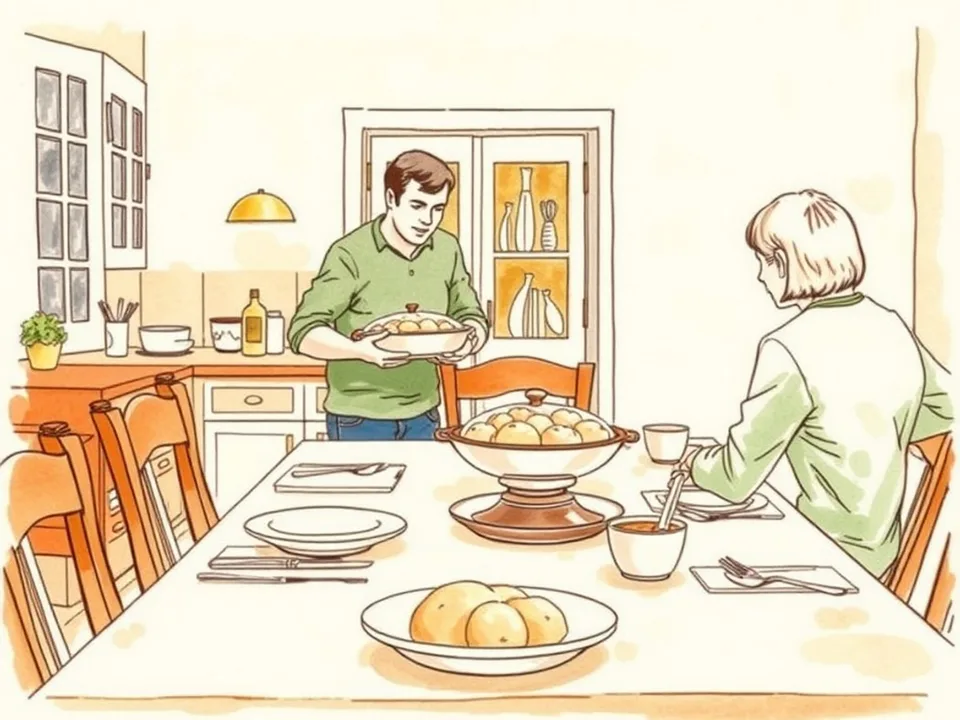
Step 10 of 12: Let newcomers add one thing 10Let newcomers add one thing
Every person who joins the family brings a tradition of their own. Invite one addition per newcomer rather than a full merger: a dish, a song, a small ritual at the start. Traditions that refuse to absorb anything become loyalties people have to choose between, and that is how they get dropped.
Tip: Ask a new partner or in-law what they would add, not what they would give up.
 Step 11 / 12
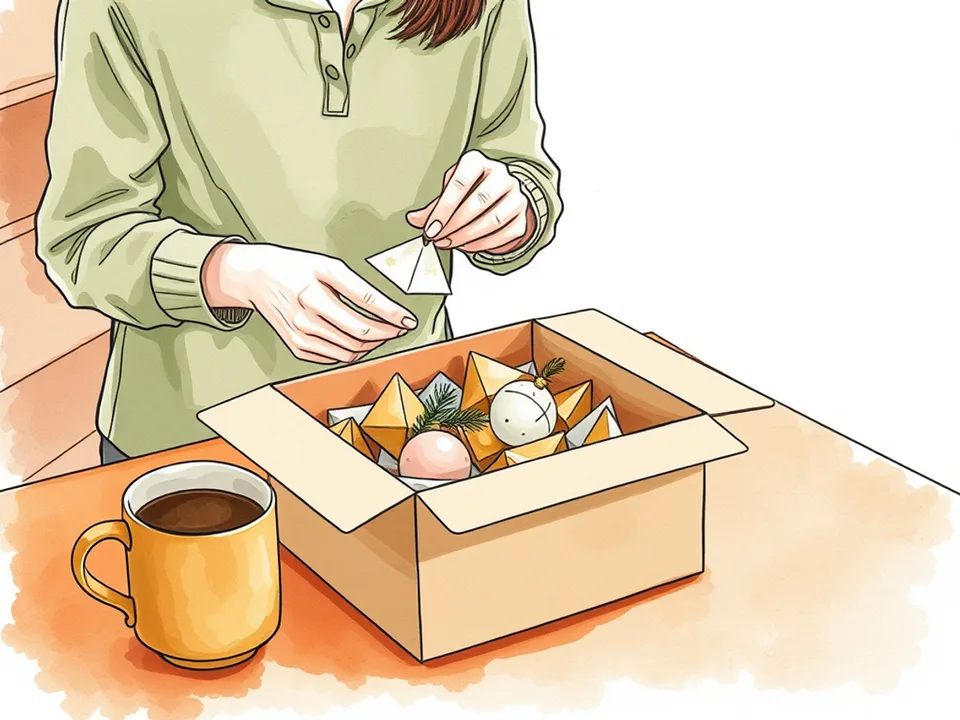
Step 11 of 12: Retire traditions deliberately 11Retire traditions deliberately
Some traditions outlive their purpose. Ending one badly, by silently cancelling it, leaves people feeling rejected without knowing why. End it out loud, with a small goodbye: one last run, a sentence about what it meant, and a clear statement that it is finished rather than abandoned.
Tip: Retire on purpose, and let the people who loved it say so first.
 Step 12 / 12
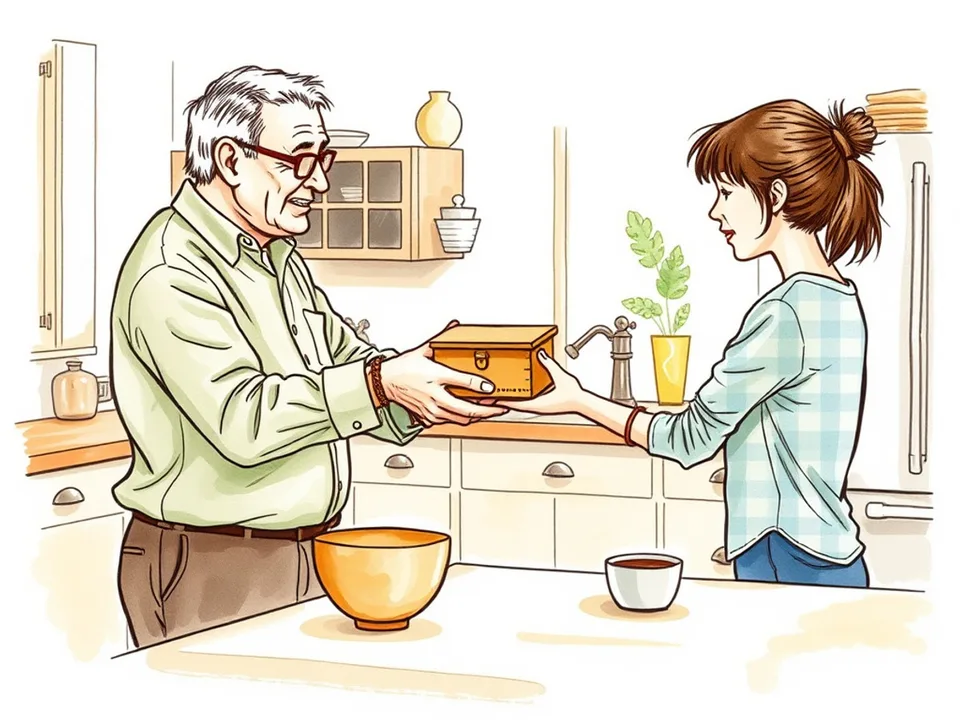
Step 12 of 12: Hand over ownership before you are tired of it 12Hand over ownership before you are tired of it
The person who has hosted for twenty years eventually stops, and traditions that only ever had one owner often stop with them. Pass the recipe, the date, the box of decorations, and the permission to change things. A tradition with a successor is a tradition that has become bigger than one person.
Tip: Hand over while you still enjoy it. Handovers from exhaustion usually fail.
Tips
- Choose a trigger you control. A tradition tied to someone else's schedule gets cancelled more than it runs.
- Say the tradition out loud the first time: 'this is what we do now'. Naming it is what makes people expect it next year.
- Keep one low-effort version for hard years: the same song, the same breakfast, the same phone call.
- Photograph the ordinary parts, not the table setting. The ordinary parts are what people remember.
Warnings
- Do not build a tradition around a person's presence if that person may not be there next year; build it around the memory or the date instead.
- Do not make a tradition the test of who loves whom. Traditions that require attendance to prove loyalty turn absence into an accusation.
- Be careful with alcohol as the centre of a ritual if there are children or anyone in recovery in the family.
- Do not spend money you do not have to keep a tradition going. Costly rituals collapse the first time money gets tight.
Community Q&A
How long before something counts as a tradition?+
Most people call it a tradition once it has happened twice or three times and someone expects it. There is no official threshold; the expectation is the whole definition.
What if only two people in the family want it?+
Run it with the two people who want it. Traditions spread by being pleasant, not by being mandated, and a small ritual that people enjoy recruits better than an obligation.
Can we invent a tradition for a holiday we do not celebrate?+
Yes. A tradition needs a repeated date and a feeling, not a religious or national reason. Many families keep rituals that are privately meaningful and have no wider label.
How do we handle a tradition after a death?+
Change the form before you consider ending it: a toast to the person, an empty chair, cooking their dish. If it is too painful, retire it deliberately and say so, rather than skipping it silently.
What if my children refuse to take part?+
Teenagers withdrawing from family ritual is normal. Keep the ritual running without making participation the price of belonging, and offer them a job or an exit rather than a confrontation.
References
- Imber-Black, E. & Roberts, J. Rituals for Our Times: Celebrating, Healing, and Changing Our Lives and Our Families. 1998.
- Fiese, B. H. et al. “A Review of 50 Years of Research on Naturally Occurring Family Routines and Rituals.” Journal of Family Psychology, 2002.
- Norton, T. The Ritual Effect: From Habit to Ritual, Harness the Surprising Power of Everyday Actions. 2024.
- Smithsonian Center for Folklife and Cultural Heritage. “Family traditions and everyday ritual.” 2022.
Related on Howly
About This Article
Written by Site Admin. A subject-matter reviewer checked the steps before publication. Last updated Oct 29, 2026. 19,780 readers have viewed this guide.
91% of readers found this article helpful.
298 votes - 91%
Click a star to add your vote
Bethan R.
Oct 24, 2026
“We tried a big themed dinner first and it lasted one year. The thing that stuck was a ten-minute walk before lunch and one song. We have done it in four houses and two countries.”