How to Keep Running Through Winter
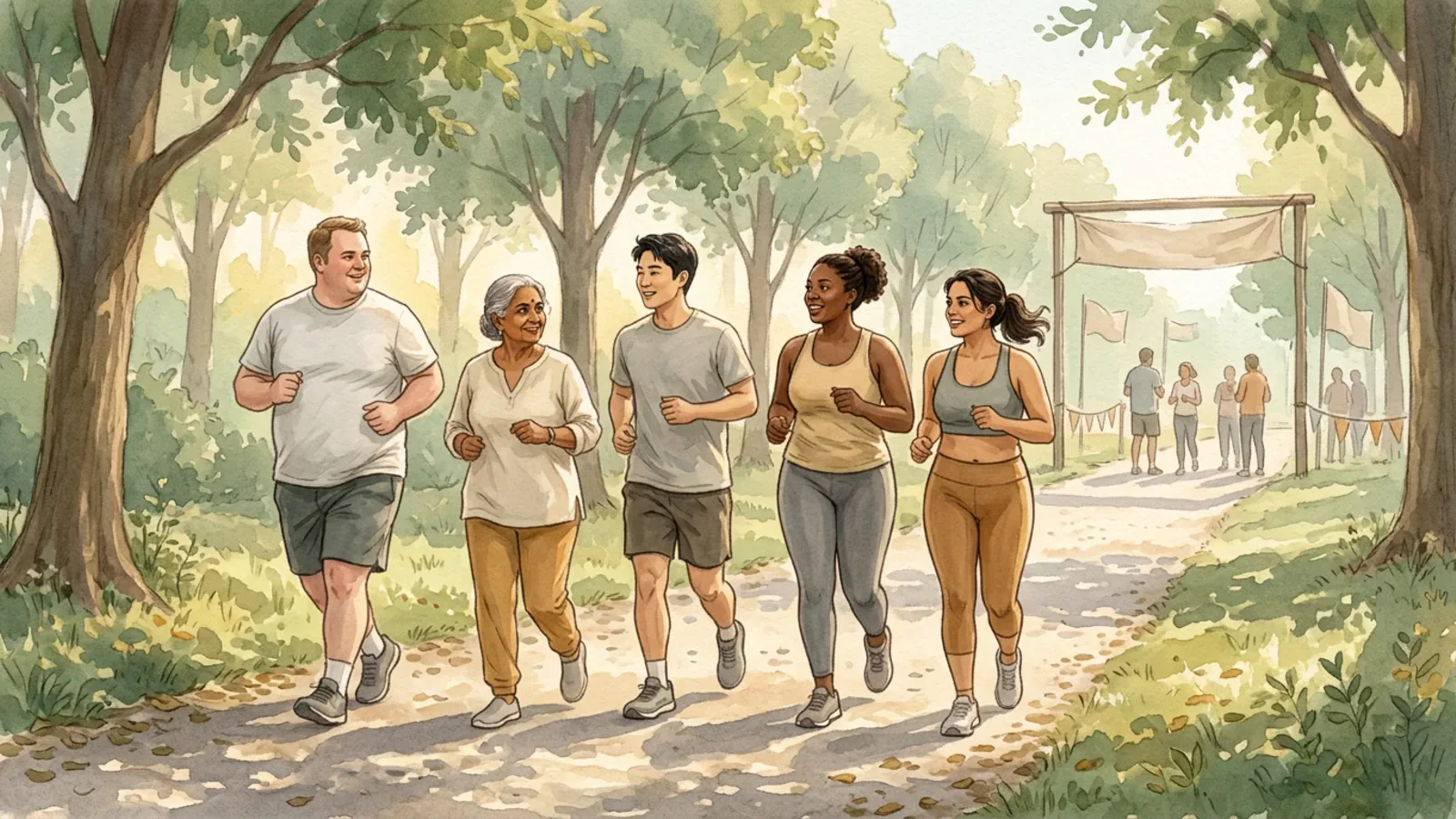
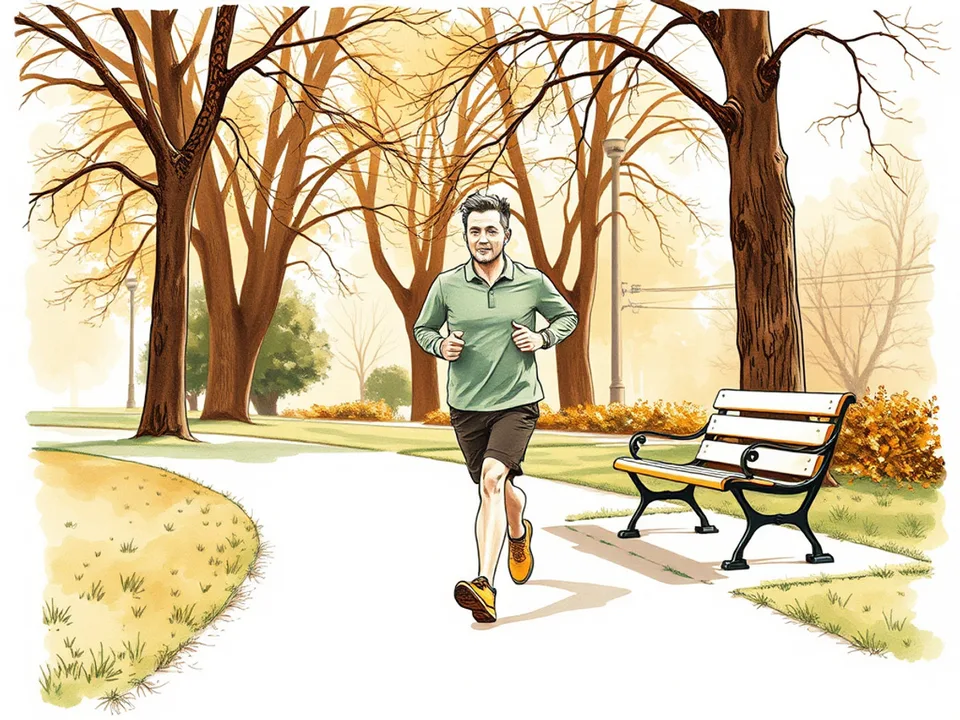
Winter running is easier to sustain when you plan for the conditions: choose safe footing, use adjustable layers, keep runs flexible, and know when to exercise indoors or rest. Cold mornings and shorter days can make a running routine harder to keep. A workable winter plan uses flexible sessions, layers you can adjust, a safe route and an indoor backup. These steps can help you stay active without treating dangerous weather or warning symptoms as a test of commitment.
Co-authored by:
Howly editors
Steps
3 methods · 12 steps · 12 illustrationsPart 1 of 3
Getting Out of the Door
 Step 1 / 12
Step 1 of 12: Keep a short-session option 1Keep a short-session option
Make a short, easy session an acceptable alternative to your usual run. For example, plan ten minutes outside on days when time or motivation are limited, with the option to continue if you feel good. A brief indoor workout or a rest day also counts as a sensible choice when the weather is hazardous or you feel unwell. Decide on the alternative before the week gets busy.
Tip: A shorter session can preserve your routine, but it is never worth going out on dangerous ice or in severe weather.
 Step 2 / 12
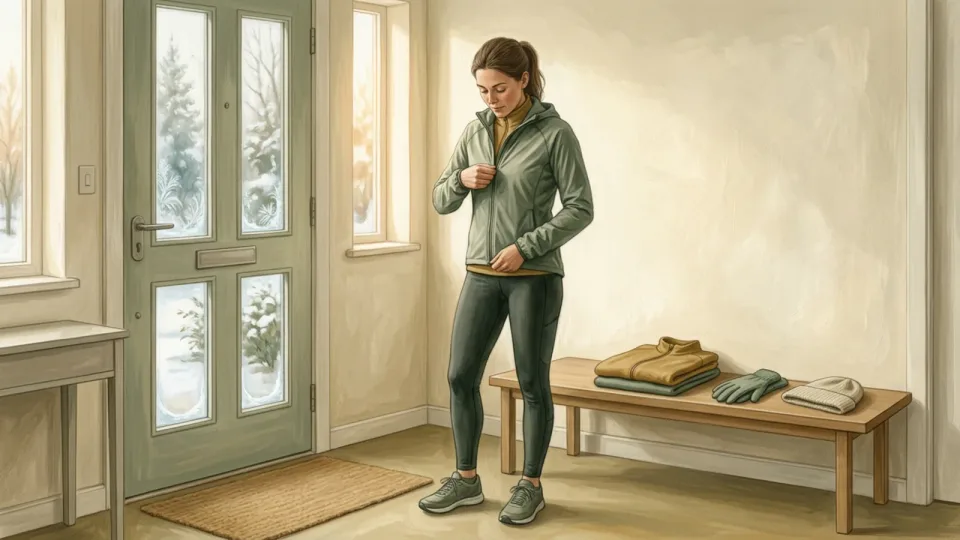
Step 2 of 12: Choose adjustable layers 2Choose adjustable layers
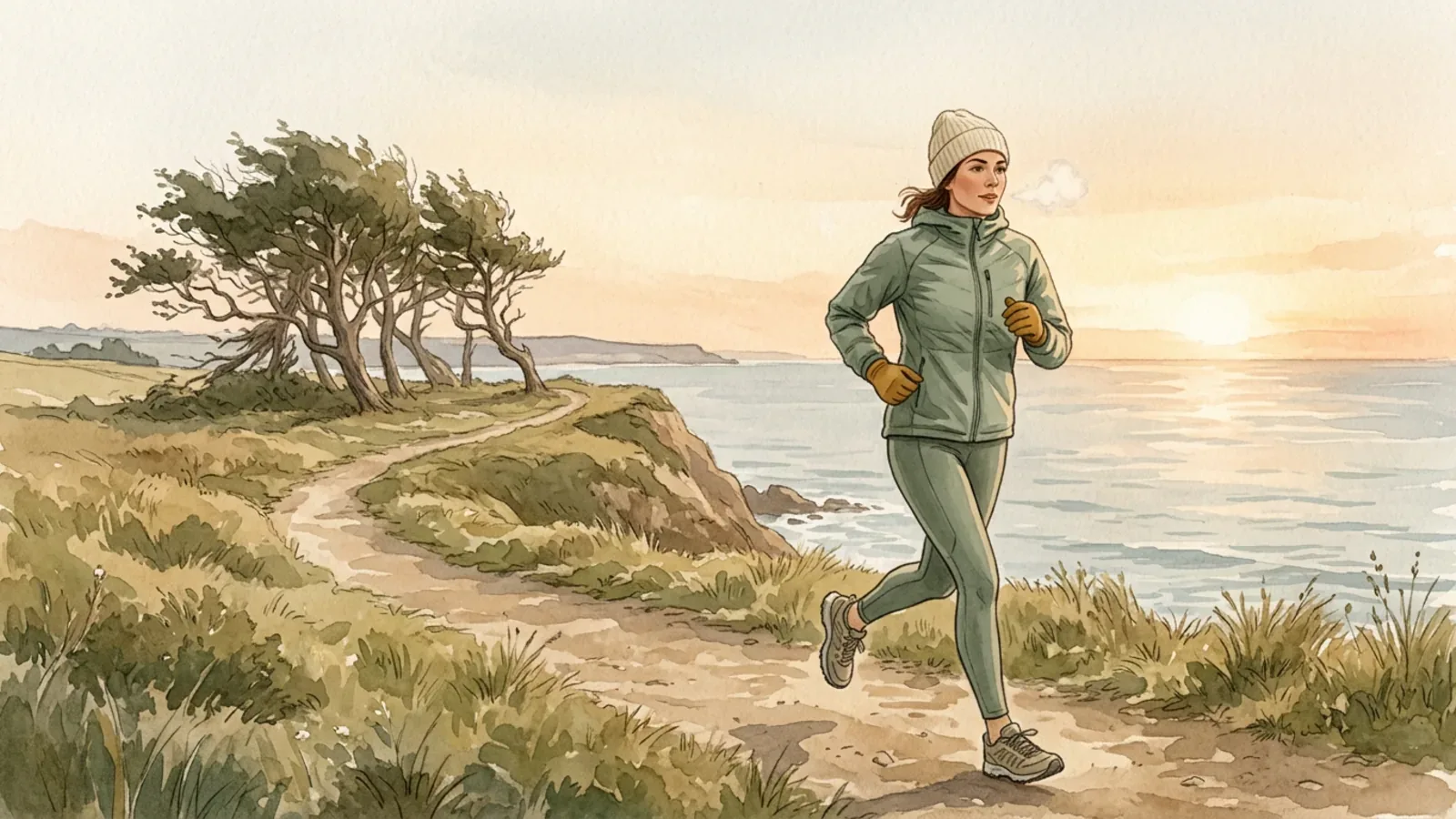
Start with a moisture-managing base layer, add insulation as needed, and choose an outer layer that blocks wind or precipitation when the forecast calls for it. Wool or synthetic fabrics can help manage sweat; replace any layer that becomes wet. Protect your hands, ears and feet, and adjust layers before you become overheated or chilled. What feels right depends on the wind, weather, effort and your own tolerance.
Tip: Pack or wear layers you can adjust, rather than relying on one fixed temperature rule.
 Step 3 / 12
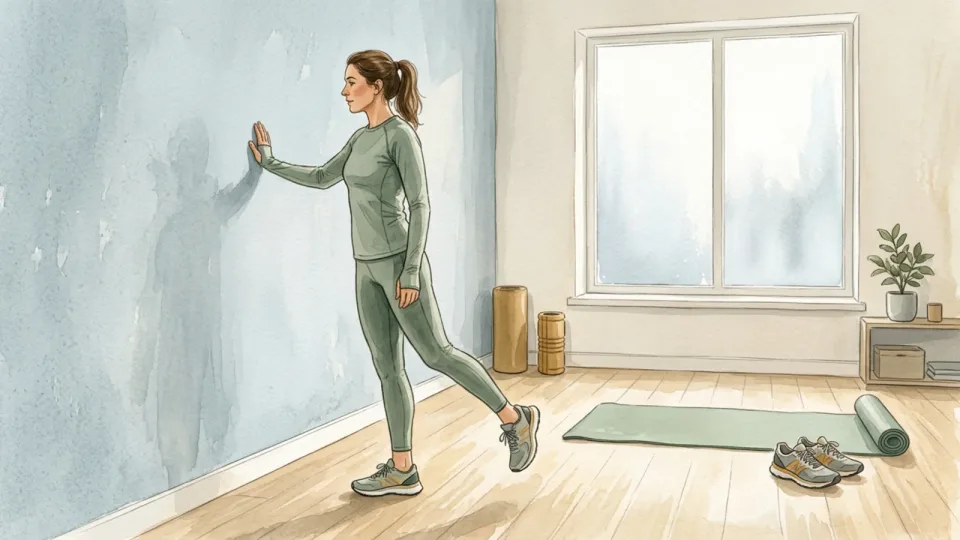
Step 3 of 12: Warm up before settling into your pace 3Warm up before settling into your pace
Begin indoors with easy movement such as marching, gentle leg swings or a few walking lunges. Once outside, walk briskly or jog easily before increasing your pace. A gradual start gives you time to assess how you feel and check the surface in daylight or under a lamp. If you have asthma, follow your own care plan and allow enough time for an easy warm-up.
Tip: Keep the warm-up gentle and within your comfortable range of motion.
 Step 4 / 12
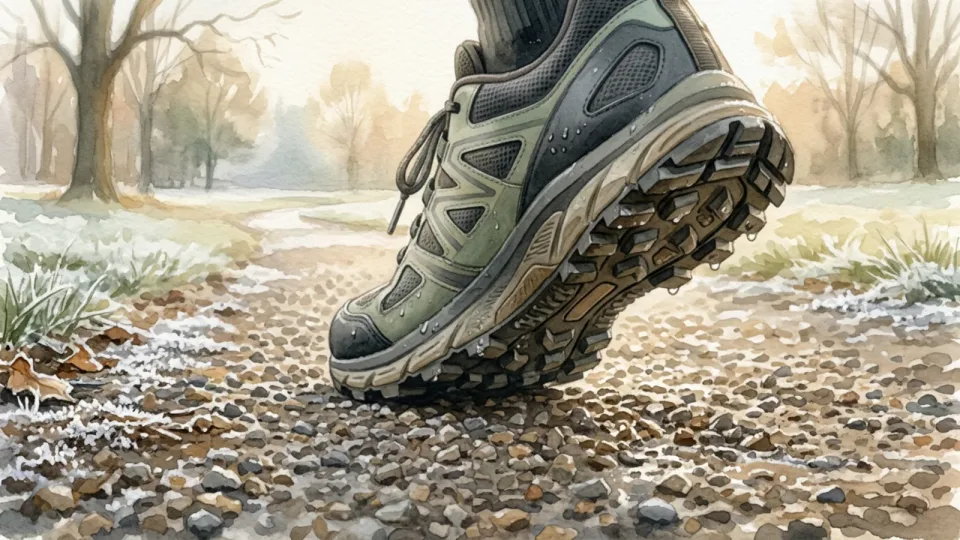
Step 4 of 12: Choose the surface before the pace 4Choose the surface before the pace
In frost and snow, route choice matters more than speed. Prefer cleared, treated paths and well-maintained sidewalks. Shaded pavement, wet leaves, wood and metal can all be slippery. A shoe with tread can help on some surfaces, but no shoe guarantees grip on black ice. If the surface looks unsafe or your footing is uncertain, choose another route or exercise indoors.
Tip: Do not test suspected black ice by running on it; choose a safer surface instead.
Part 2 of 3
Cold Air, Wind and Darkness
 Step 5 / 12
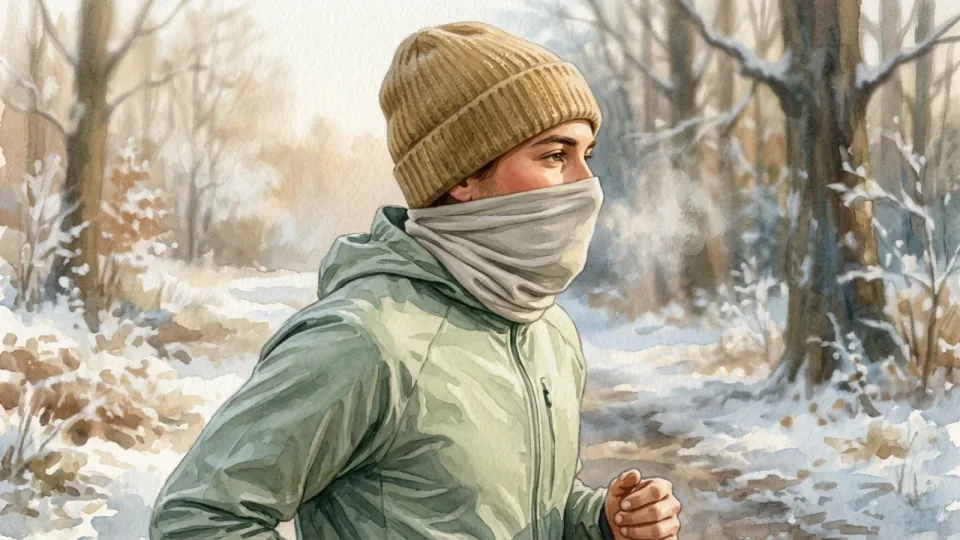
Step 5 of 12: Ease your effort and protect your airways 5Ease your effort and protect your airways
Cold, dry air can irritate the airways, especially during hard efforts. Begin gently and choose a conversational pace. A loose scarf or neck gaiter over the nose and mouth may help warm and humidify the air you breathe. If you have asthma or exercise-related breathing symptoms, follow your prescribed action plan and carry medication as directed. Stop if symptoms develop.
Tip: If breathing becomes uncomfortable, slow down, move somewhere warm and follow your care plan.
 Step 6 / 12
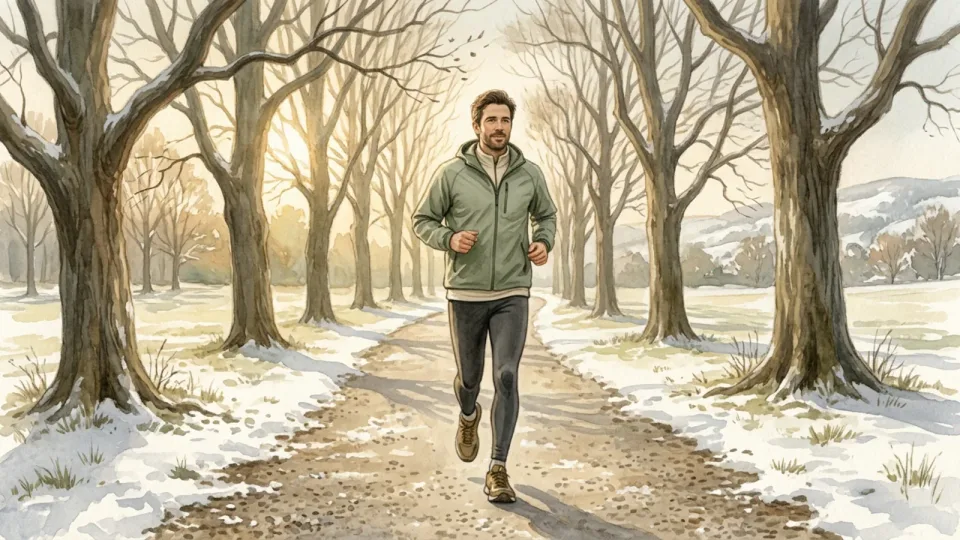
Step 6 of 12: Keep the effort easy in the wind 6Keep the effort easy in the wind
Wind increases heat loss from exposed skin and can make an otherwise manageable temperature feel much colder. Check the local forecast and wind chill before setting out. If conditions are suitable, choose a sheltered route and an effort at which you can speak comfortably. A short loop makes it easier to return indoors if the weather changes or you start to feel cold.
Tip: Check both the forecast and local cold-weather alerts, not just the air temperature.
 Step 7 / 12
Step 7 of 12: Be visible before the sun goes down 7Be visible before the sun goes down
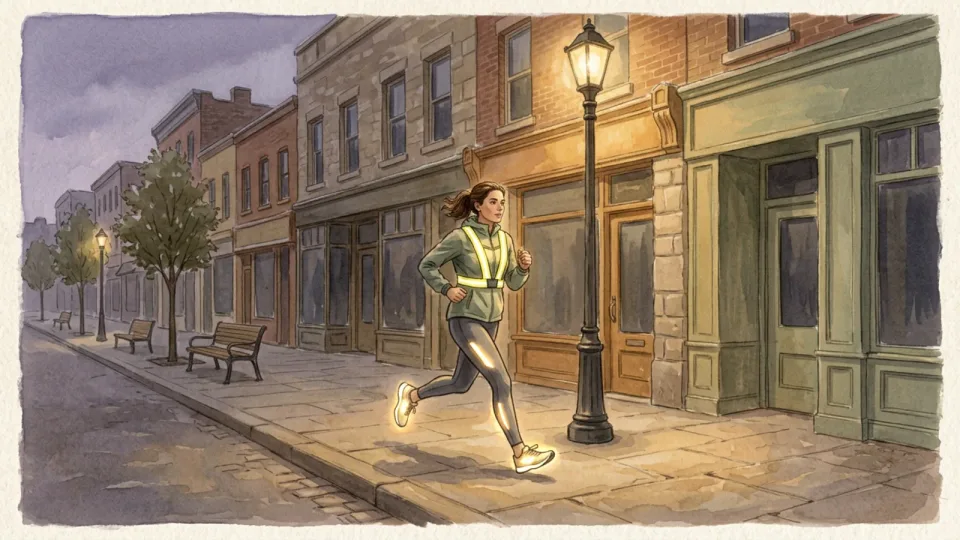
In winter, most after-work runs happen in the dark. Wear reflective material at ankle and chest height, choose streets with pavements and streetlights over unlit shortcuts, and assume drivers cannot see you until proven otherwise. Junctions are where it goes wrong: a car turning across a crossing looks straight through a runner in dark clothing.
Tip: Reflective ankles move, and movement is what catches a driver's eye at night.
 Step 8 / 12
Step 8 of 12: Carry a light on unlit routes 8Carry a light on unlit routes
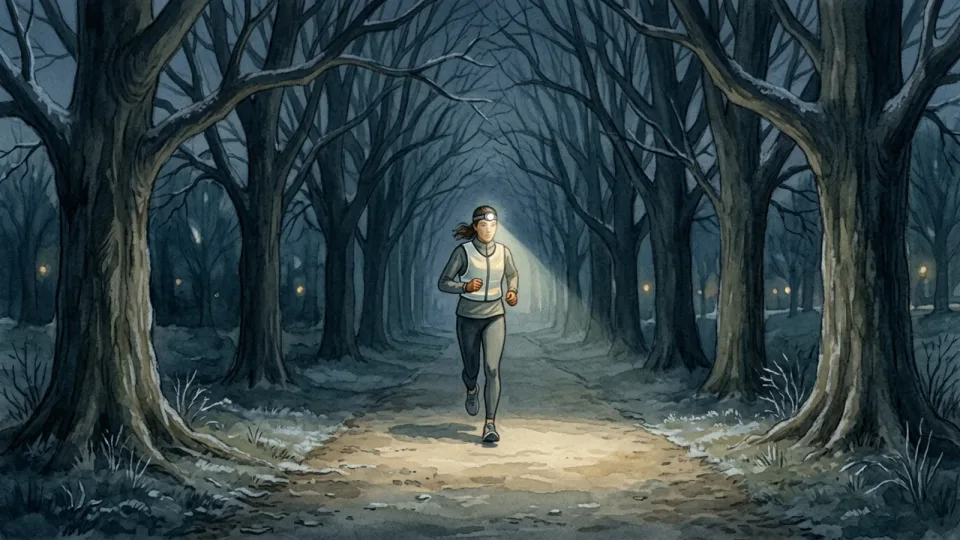
A small headlamp or a chest light lets you see broken pavement, roots and ice, and lets others see you from much further away than reflective fabric alone. Keep the beam low so you do not blind oncoming traffic or other runners. If your route has no lighting at all, choose a shorter loop you know well rather than exploring in the dark.
Tip: Tell someone your route and expected return time when you run after dark. It costs one message.
Part 3 of 3
Keeping the Habit
 Step 9 / 12
Step 9 of 12: Set weather and health limits in advance 9Set weather and health limits in advance
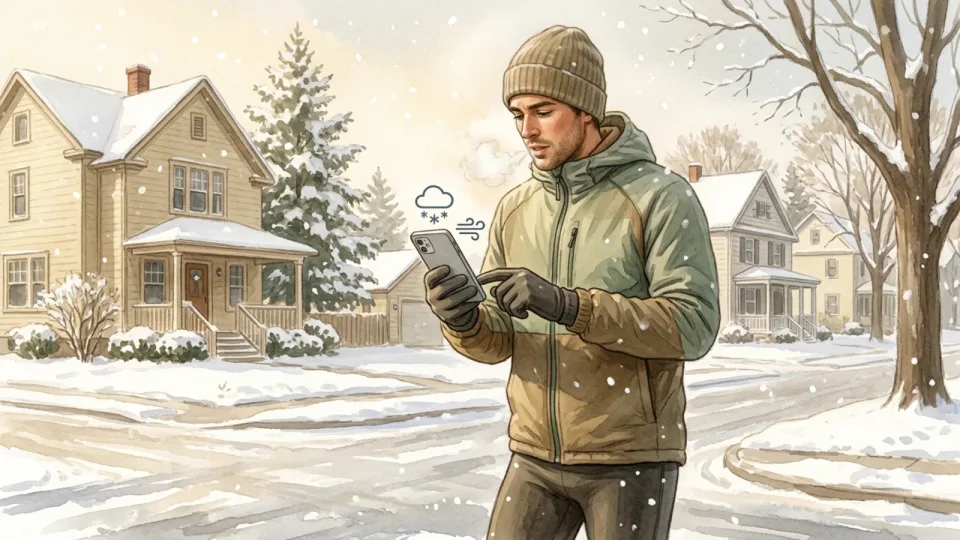
Before each outing, check the forecast, wind chill, precipitation and local weather alerts. Move the session indoors or take a rest day when roads or paths are icy, visibility is poor, or officials advise limiting outdoor exposure. Your health, clothing and experience matter too: there is no single temperature that is safe for every runner. Do not exercise through illness or concerning symptoms.
Tip: Keep an indoor alternative ready so you do not have to negotiate with yourself during hazardous weather.
 Step 10 / 12
Step 10 of 12: Change out of wet layers promptly 10Change out of wet layers promptly
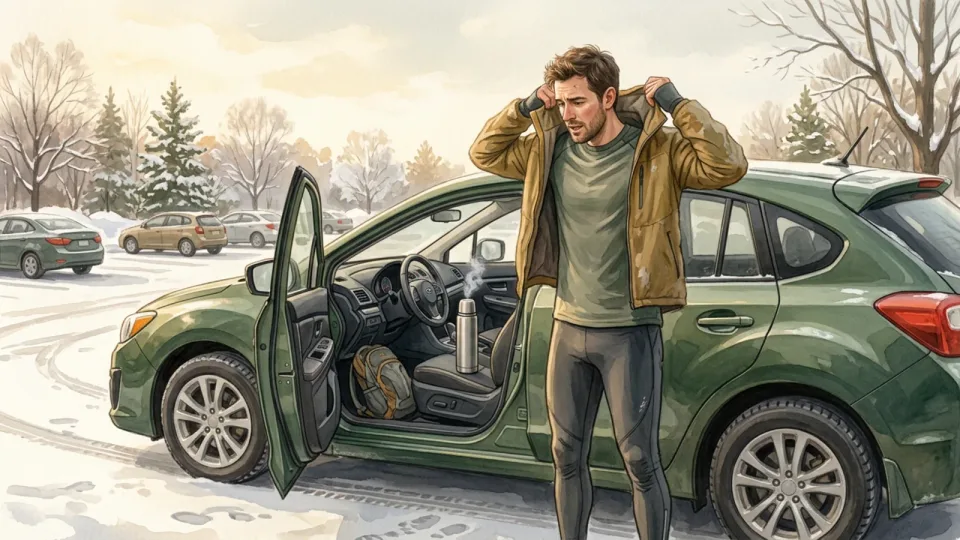
Once you finish, move somewhere sheltered and replace sweat-damp or wet clothing with dry layers. Pack a dry top, socks and a hat if you will travel home after your run. Wet clothing can speed heat loss, so avoid standing around outside while you cool down. If you notice persistent shivering, clumsiness or confusion, seek warmth and medical help rather than treating the symptoms as ordinary fatigue.
Tip: Keep a dry set of clothes in your bag and change as soon as practical after a wet run.
 Step 11 / 12
Step 11 of 12: Plan food and fluids for your outing 11Plan food and fluids for your outing
Eat regular meals and consider a familiar light snack before a longer run if that works for you. Bring water when appropriate for the duration and conditions, and plan access to fluids on longer outings. You can still sweat in cold weather even when you do not feel hot. Avoid forcing excessive amounts of water, and adapt your plan to your needs and any medical advice.
Tip: Unusual weakness or persistent chills have several possible causes; stop, get warm and seek help if symptoms are concerning.
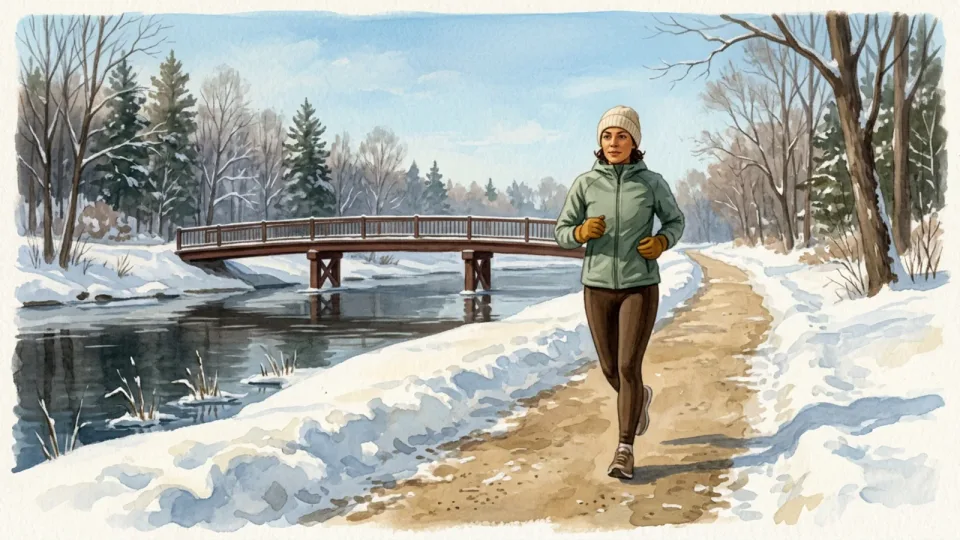 Step 12 / 12
Step 12 of 12: Restart gradually after a break 12Restart gradually after a break
A missed week or two does not erase your progress. After a break, begin with a shorter, easier session than your previous routine and add time gradually as your body responds. Allow recovery between sessions instead of trying to make up every missed run. If you stopped because of an injury, illness or persistent symptoms, ask a clinician for guidance before resuming.
Tip: Choose a session that feels manageable today rather than trying to match your pre-break pace.
Tips
- Keep a shorter session or indoor alternative available for days when the original plan is impractical.
- Check the local forecast, wind chill and surface conditions before leaving.
- Use adjustable layers and replace wet clothing promptly after your run.
- Choose visible, well-lit routes and carry a light if the path is dark.
Warnings
- Ask a clinician before running in the cold if you have a heart condition, asthma that is not well controlled, a recent injury or another condition that affects safe exercise.
- Avoid untreated ice and hazardous weather. Move indoors or rest when local authorities advise limiting cold exposure.
- Stop and call emergency services for chest pain, severe trouble breathing, fainting or signs of hypothermia such as confusion, slurred speech or uncontrolled shivering. Move to warmth and remove wet clothing while help is arranged.
- Seek prompt medical attention for suspected frostbite, including numb skin that becomes white or gray, or breathing symptoms that do not improve under your prescribed plan.
Community Q&A
How cold is too cold to run?+
There is no single safe temperature for everyone. Check wind chill, wet conditions, local alerts and your own health as well as the air temperature. When there is dangerous ice, poor visibility or an advisory to limit exposure, move indoors or rest. Ask a clinician if you have a condition affected by cold or exercise.
What should I wear for a winter run?+
Use a moisture-managing base layer, insulation as needed and a wind- or water-resistant outer layer suited to the forecast. Protect your hands, ears and feet. Clothing needs vary with your pace and the weather, so choose layers you can adjust and change out of wet clothing promptly.
Is it bad to breathe cold air when running?+
Cold, dry air can irritate the airways. Starting gently and breathing through a loose scarf or gaiter over your nose and mouth may help. If you have asthma, follow your care plan and use prescribed medication as directed. Stop and seek appropriate medical care if symptoms develop or persist.
How do I run safely in the dark?+
Choose well-lit routes with sidewalks, wear reflective material at ankle and chest height, and carry a headlamp or other light where needed. Stay alert at crossings and tell someone your route and expected return time. Avoid unfamiliar or poorly maintained paths after dark.
What if I miss two or three weeks?+
Start back with shorter, easier sessions and build gradually rather than trying to make up every missed run. If the break followed an injury, illness or ongoing symptoms, ask a clinician when and how to return. Adjust the plan if discomfort or fatigue persists.
References
- American College of Sports Medicine. “Exercising in Hot and Cold Environments.” 2025.
- American College of Sports Medicine and Exercise is Medicine. “Being Active When You Have Asthma.”
- Centers for Disease Control and Prevention. “Preventing Hypothermia and Frostbite.” 2024.
- National Weather Service. “Winter Preparedness.”
- American Heart Association. “Use These Tips for Getting Healthy and Staying Healthy During the Cold Winter Months.” 2022.
Related on Howly
About This Article
Last updated Oct 29, 2026. 6 readers have viewed this guide.
0% of readers found this article helpful.
No votes yet
Click a star to add your vote
No reader stories yet. Be the first to share how this guide worked out for you.